
Asia reassesses energy routes amid crisis in the Strait of Hormuz — Fortune
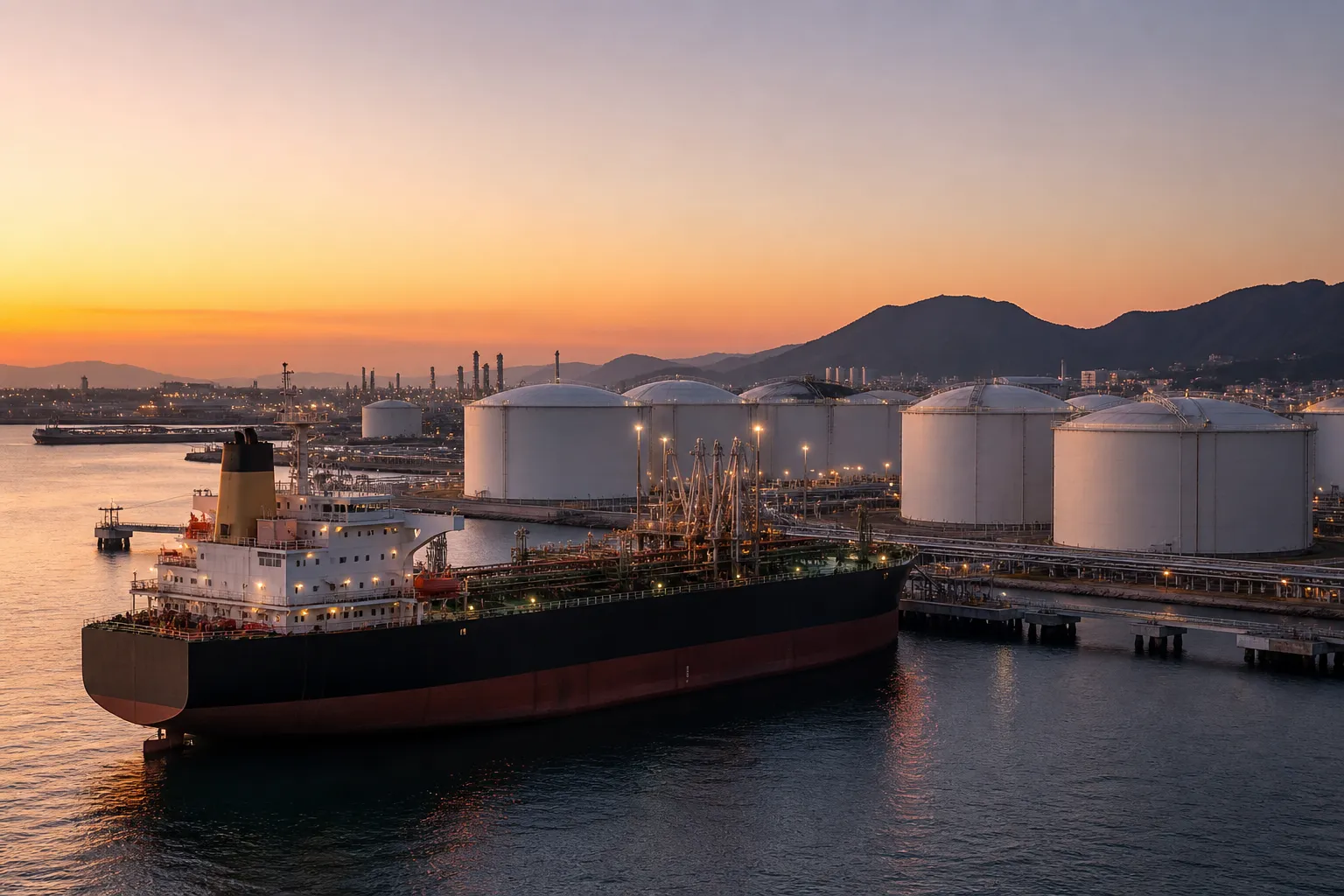
Asian countries and energy exporters are reassessing oil and gas supply routes amid the crisis in the Strait of Hormuz, through which about one-fifth of global oil trade passed before the war. More than 80% of these cargoes were bound for Asian countries, primarily China, India, Japan and South Korea, Fortune reports.
Following US strikes on Iran, Tehran threatened to attack vessels passing through the strait between Iran and Oman. Fears of shortages forced Asian countries to introduce export restrictions, lower import duties and ration fuel consumption. Iran also announced a new agreement on sharing revenue from the waterway, while a military representative accused the United States of obstructing the process.
Alternatives for oil
Energy importers began seeking alternative suppliers. Before the war, the Middle East supplied 90% of Japan's crude oil imports and about 11% of its liquefied natural gas imports. Japanese company Inpex established a joint venture to expand investments in LNG in Australia's Northern Territory.
More current news is available on the UA.News Telegram channel Telegram.
Exporters are investing in alternative infrastructure: ports on Saudi Arabia's west coast and in the Gulf of Oman, as well as pipelines, including the Saudi East-West Pipeline. According to an estimate cited by Fortune, after such projects are completed, around 10% of global oil volumes may pass through the Strait of Hormuz, compared with 20% before the war.
Reserves contained shortages
LNG could become the most vulnerable commodity in the event of a prolonged blockage of the strait: oil can be transported by pipelines to ports on the western side of the Arabian Peninsula, while there are no alternative routes for liquefied gas. Qatar is trying to maintain exports through diplomatic contacts, the search for new buyers and isolated opportunities for cargo transit. The country has also prepared an accelerated plan to restore production after the strait reopens.
A catastrophic energy shortage did not occur in the first months of the conflict thanks to reserves and increased production. In March, the International Energy Agency coordinated the release of 400 million barrels from emergency reserves — the largest in its history. Oil prices rose to $126 per barrel but did not reach $150–200, as some analysts had feared. The United States, Saudi Arabia and the UAE increased production and capacity, while China used its own substantial reserves.




