
Equatorial Guinea Must Adopt Hydrocarbon Law — OilPrice
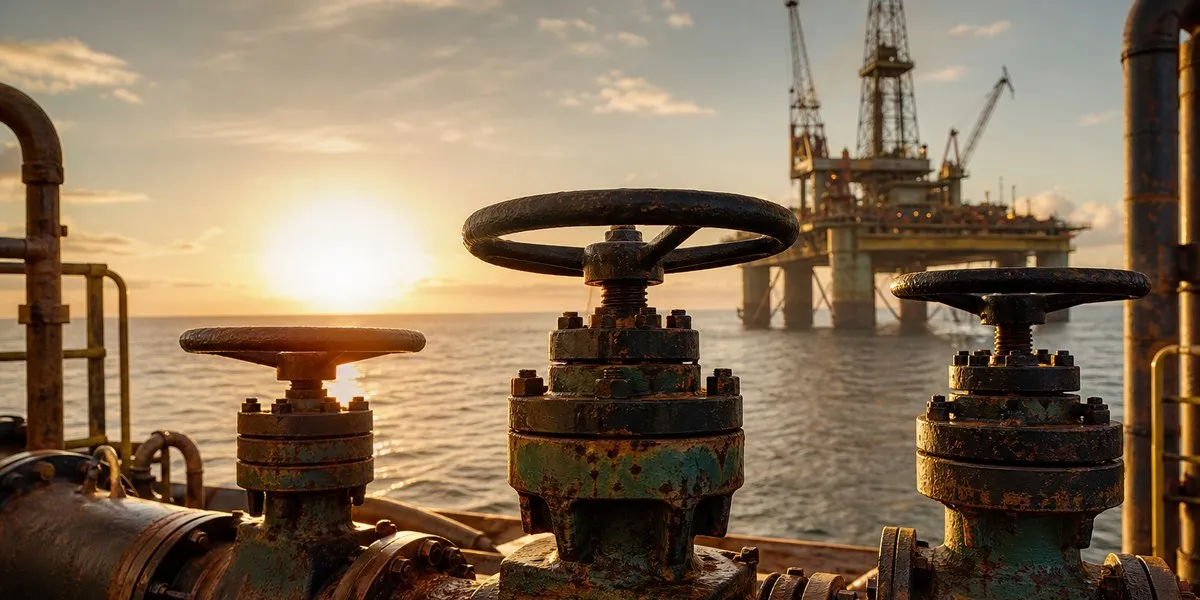
Equatorial Guinea must adopt a new hydrocarbon law after a sharp decline in oil production. In September, the country produced about 20,000 barrels per day, compared with approximately 140,000 barrels per day in 2020.
More flexible terms for companies
As OilPrice reports, Minister of Hydrocarbons Antonio Oburu Ondo said the law should make contract terms more flexible. Oil companies will be offered a wider choice of cooperation models depending on their willingness to take risks.
The authorities seek to resume drilling at fields where production is already underway, as well as attract companies to explore areas that have received little capital in recent years. The country has not set a production target: the government considers the launch of drilling campaigns to be the first sign of the new rules' effectiveness.
More current news is available on the UA.News Telegram channel Telegram.
Investment and gas projects
The government is also ready to negotiate directly over available blocks and has created special economic zones to attract investment. At the same time, potential investors will have to take into account the maturity of the fields, limited geological exploration in recent years, and ExxonMobil's exit from the country in 2024 after nearly three decades of operations.
Chevron continues to operate in Equatorial Guinea's gas sector. Earlier this year, state-owned company GEPetrol agreed to increase its stake in the Chevron-operated Aseng project from 5% to 32.55%. Gas from Aseng is expected to be supplied to the Punta Europa processing and liquefied natural gas production complex, as well as for other planned projects.
According to the International Monetary Fund's estimate, the country's economy will contract by 1.7% this year. The loss of about 120,000 barrels of daily production over six years has reduced output by OPEC's smallest member to a fraction of its former level.




