
US share of Taiwan’s LNG imports to exceed 20% in 2026 — Taipei Times
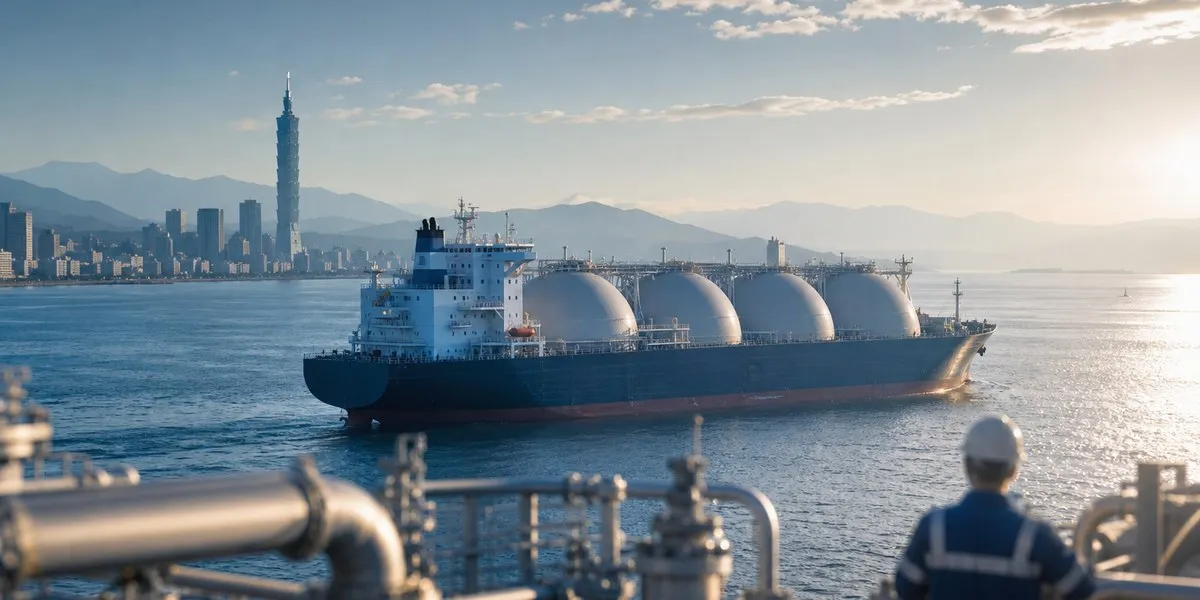
In Taiwan, the share of liquefied natural gas from the United States in LNG imports is expected to exceed 20% this year, according to a forecast by Minister of Economic Affairs Kung Ming-hsin. Last year, it stood at 10%, and it could rise to 25% by 2029. This was reported by Taipei Times.
Supplies from Alaska
Taiwan’s Ministry of Economic Affairs announced a preliminary plan to invest up to US$4.4 billion in an LNG production project in Alaska. Once production begins, CPC Corp, Taiwan is to purchase 6 million tonnes of liquefied gas annually in Alaska.
If purchase negotiations are successful, supplies could begin as early as 2032. The share of US gas in Taiwan’s LNG imports could then potentially increase to 30% or more, Kung Ming-hsin said.
According to him, the government already has a preliminary plan and an investment ceiling, but the actual amount, the share of participation in the project and other terms are yet to be determined during negotiations. The minister did not disclose the gas price, citing commercial confidentiality.
More current news is available on the UA.News Telegram channel Telegram.
Diversification of purchases
The source of financing will depend on the final investment structure, the project schedule and CPC’s financial condition. It may include capital contributions, capitalization of retained earnings or loans. Funds will be allocated in stages according to the project’s progress, the minister said.
Kung explained the need for new long-term contracts by growing demand for natural gas. By 2035, Taiwan is expected to add another 25 large gas-fired power units. The government seeks to secure supplies in advance and diversify procurement sources to strengthen energy resilience.
Long-term contracts could also reduce price volatility in LNG imports. Delivery from Alaska to Taiwan takes about 10 days, which could shorten transportation time and related risks. Increasing energy purchases from the United States could also help reduce the trade imbalance, as Taiwan’s trade surplus with the US has grown.




