
Qatar says energy shocks have yet to peak — Al Jazeera
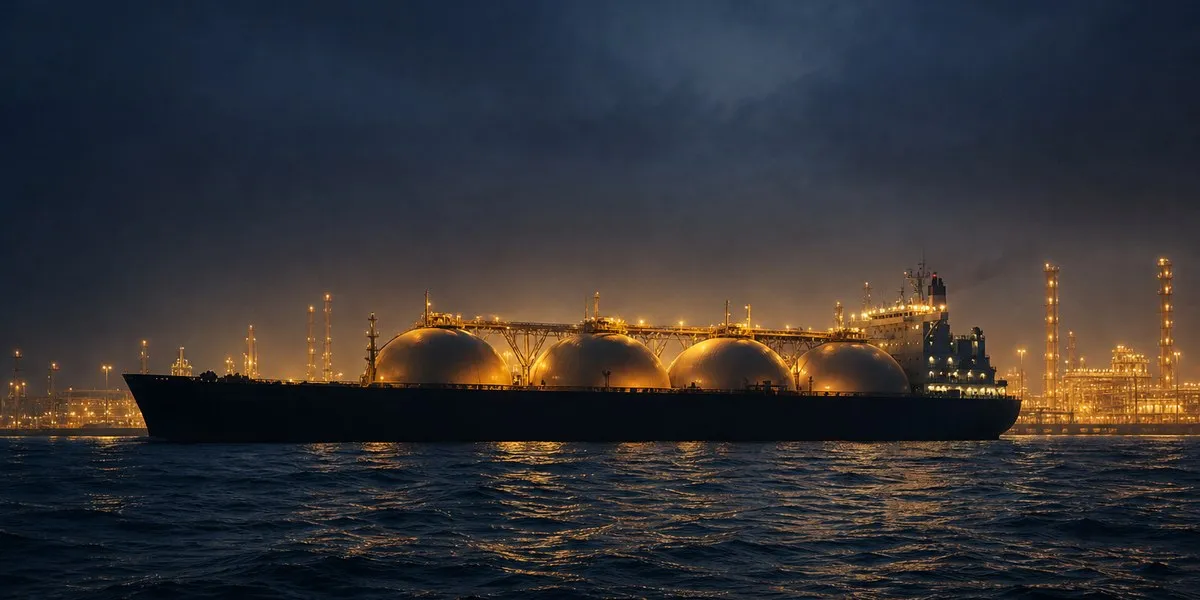
Qatar’s Deputy Prime Minister and Minister of State for Defense, Saud bin Abdulrahman Al Thani, said in Doha that global energy shocks caused by the US and Israeli war against Iran have not yet reached their peak. At the Global Security Forum, he warned of further consequences for energy supplies, international trade and economic growth, Al Jazeera reports.
Risks to energy supplies
Al Thani noted that further consequences for the energy sector are possible in the coming days and months. He linked the risks to instability in the Strait of Hormuz, an important route for oil and liquefied natural gas shipments.
According to the outlet, after US and Israeli attacks on Iran on February 28, Tehran carried out retaliatory strikes in various parts of the region. In March, Iranian strikes damaged facilities at Qatar’s Ras Laffan industrial complex; their repair is expected to take several years.
The Qatari official also opposed the introduction of a fee for ships passing through the Strait of Hormuz. In his view, uncertainty over the use of this waterway will ultimately affect consumers around the world.
More current news is available on the UA.News Telegram channel Telegram.
Contacts with Tehran and defense
Despite the attacks, Qatar continues contacts with Iran at various levels, Al Thani said. He called Iran Qatar’s neighbor and pointed to a shared offshore gas field and the two countries’ longstanding economic interests.
The deputy prime minister expressed hope that mediation efforts by Qatar, Pakistan and Oman would help reach an agreement between the United States, Iran and other parties, including Israel. In his view, a sustainable settlement requires broader dialogue involving the states of the Gulf Cooperation Council, Pakistan and Türkiye in consultations with international allies.
New defense partnership
Al Thani emphasized Qatar’s defense cooperation with the United States, which, he said, made it possible to prevent more than 90% of attacks thanks to joint expertise and military capabilities developed over the past three to four decades. Qatar is also continuing to develop Al Udeid Air Base, where US military personnel and personnel from other partner countries are stationed.
He said Qatar is preparing to announce a new regional defense partnership that will cover air defense, counter-drone measures and cybersecurity. The official did not specify the names of the partners.




