
Pentagon to tighten requirements for origin of rare-earth magnets — OilPrice
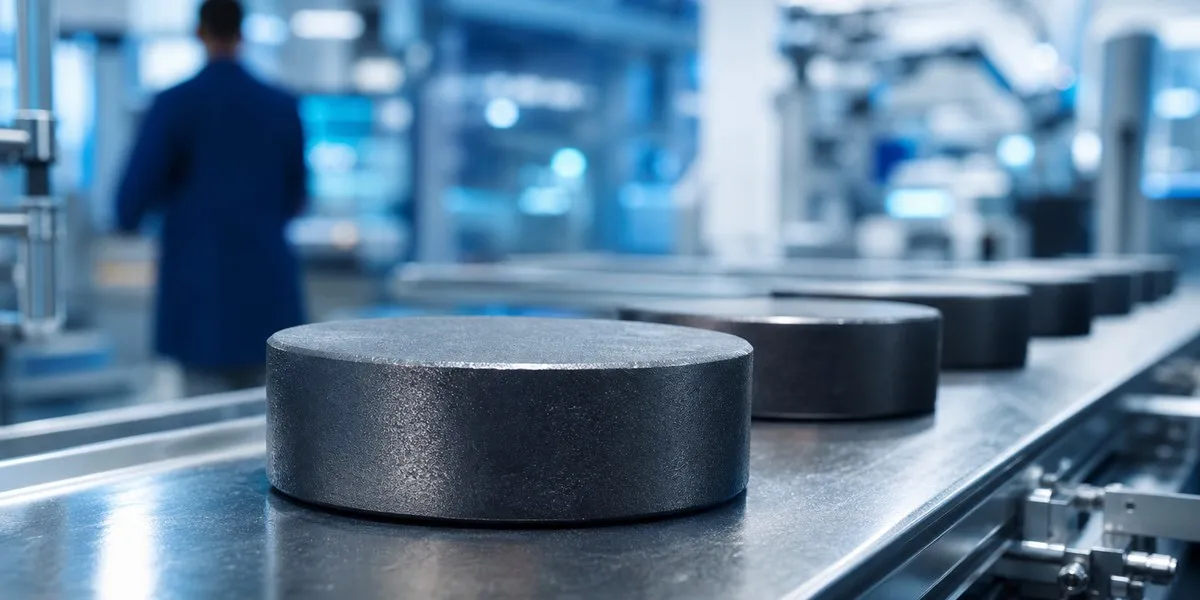
In the United States, stricter Pentagon requirements for the origin of rare-earth magnets used in military procurement will take effect on January 1, 2027. The restrictions will apply to the entire production chain, from ore mining to the finished magnet. If any stage took place in China, Russia, Iran, or North Korea, the contractor will not be able to supply such a magnet to the Pentagon.
As OilPrice reports, the DFARS rule previously applied only to the final stages of magnet manufacturing. The new regime will require defense companies to trace the origin of components back to the ore. Such magnets are used, among other things, in missile guidance systems, drone engines, fighter jets, drives, and sensors.
Dependence on Chinese supplies
According to the publication, last year the United States needed approximately 48,000 metric tons of the most common type of rare-earth magnets, while domestic sources provided only 300 tons. China produces more than 90% of the global supply of such magnets. OilPrice also estimates that China carries out about 99% of heavy rare-earth separation operations.
More current news is available on the UA.News Telegram channel Telegram.
In April 2025, China introduced export licenses for a group of rare-earth elements, including dysprosium and terbium. According to OilPrice, in January 2026, Chinese exports of dysprosium and terbium fell by approximately 83% compared with the same month of the previous year. At the end of August, dysprosium oxide in Rotterdam was selling for nearly five times more than in China.
Shortage of production capacity
U.S. magnet production capacity could reach about 5,000 tons by the end of 2026, against demand of approximately 48,000 tons, the publication writes. Against this backdrop, REalloys, according to OilPrice, is building a supply chain for heavy rare-earth elements outside China, with processing in the Canadian province of Saskatchewan and metal production in Ohio.
The company expects the first high-purity materials from Saskatchewan in the fourth quarter of 2026 and commercial deliveries in the third quarter of 2027. OilPrice notes that the publication's owner holds REalloys shares and/or options, creating a conflict of interest in coverage of the company.




