
China nearly catches up with India in malaria drug exports — South China Morning Post
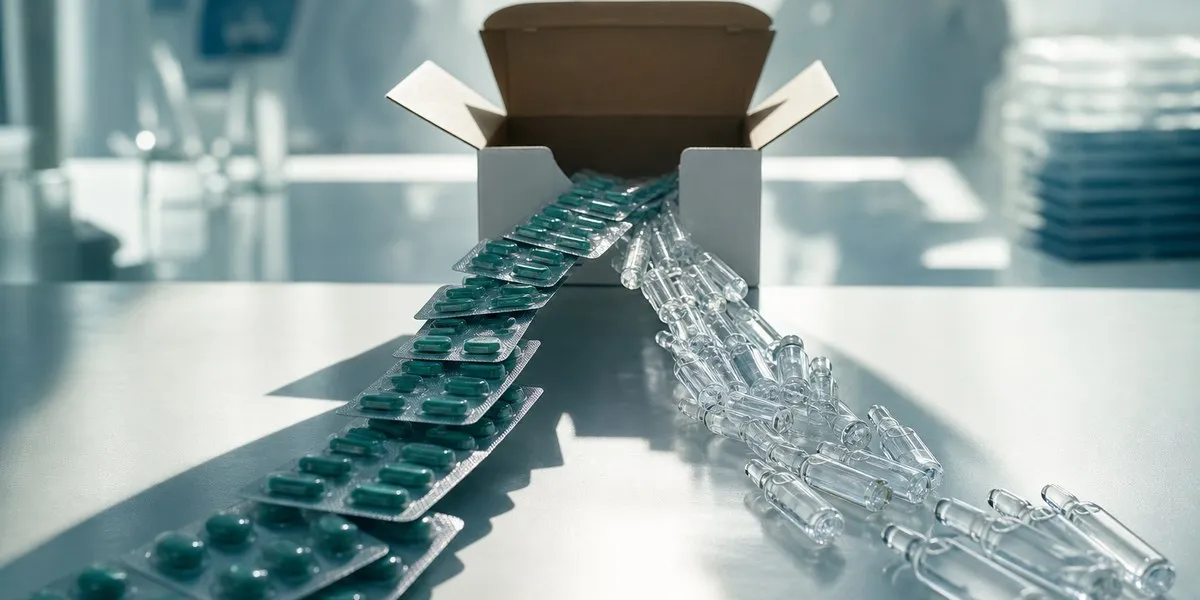
China has nearly matched India in the value of antimalarial drug exports to 12 African countries most affected by malaria. Last year, Chinese exports amounted to $89.3 million, while Indian exports totalled $89.6 million, the South China Morning Post reports, citing an analysis by Indian company Sol Gravitas. In 2021, the gap was significantly wider: $121 million for India versus $62.6 million for China.
In terms of the value of supplies, China overtook India in Nigeria, the Democratic Republic of the Congo, Uganda, Mali, Burkina Faso and Niger. Indian companies retained the lead in Ethiopia, Mozambique, Angola, Tanzania, Côte d’Ivoire and Madagascar.
Changes in the supply structure
At the same time, India still outpaced China by shipment weight, accounting for 54.5% of the total weight of antimalarial medicines sent to these 12 countries. In eight countries with complete customs data for 2022–2025, India’s share of imports from the two suppliers fell from 71.5% to 64.2%.
More current news is available on the UA.News Telegram channel Telegram.
Global Fund procurement
Separately, the study analysed Global Fund procurement for the same 12 countries and Kenya in 2021–2025. Of supplies with a total value of $442.7 million, 45.6% by value were manufactured in China. All these medicines were produced by Guilin Pharmaceutical, whose parent company is Fosun Pharma.
Chinese factories produced most SPAQ combination blisters for seasonal malaria prevention, most injectable artesunate for treating severe malaria, and the entire volume of dihydroartemisinin-piperaquine. Indian facilities produced at least half of the procured artemether-lumefantrine, the largest drug category in the study, which is used to treat acute malaria.
Experts interviewed by the publication noted that competition between Chinese and Indian manufacturers could lower prices for quality-assured medicines and expand the choice of suppliers. At the same time, dependence on a small number of prequalified manufacturers remains a risk, while India’s dependence on Chinese active pharmaceutical ingredients for artemisinin may limit the benefits of procuring finished medicines from two countries for supply stability.




