
Polyethylene microplastics linked to fatty liver disease — ScienceDaily
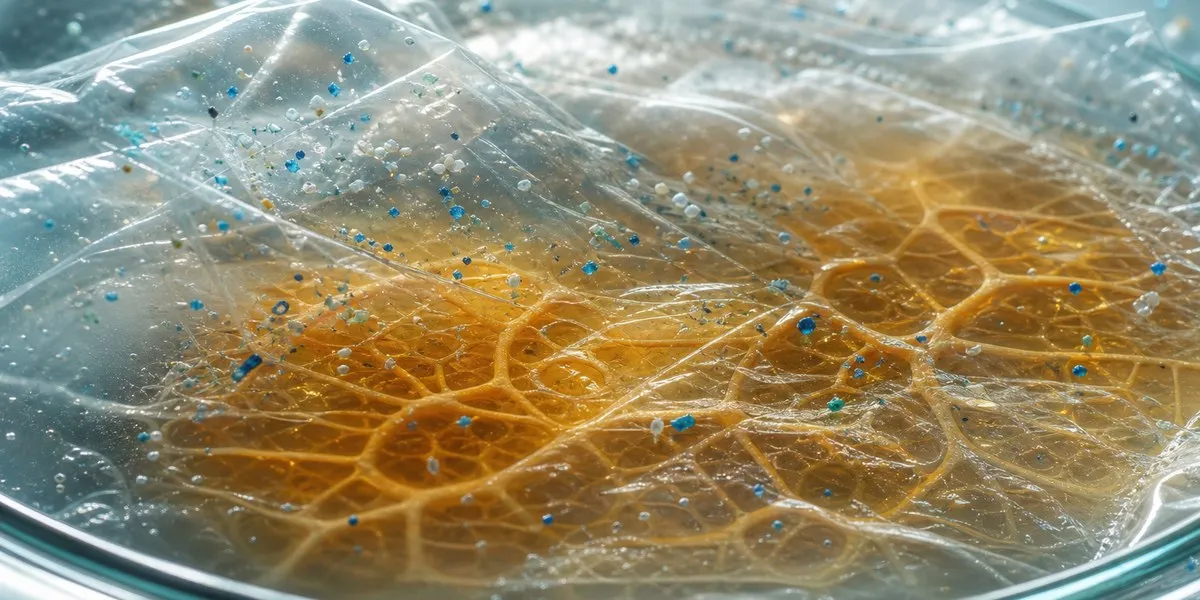
Researchers at the Texas A&M College of Veterinary Medicine and Biomedical Sciences found that exposure to polyethylene microplastics may contribute to signs of fatty liver disease. According to ScienceDaily, these signs became more pronounced when plastic exposure was combined with a diet high in fats, fructose and cholesterol.
Polyethylene accounts for about one-third of global plastic production. It is used, among other things, in food wraps, food storage containers, packaging and the inner coating of beverage cups. This material was previously considered relatively biologically inert, and its potential effects on the liver have been studied less than those of some other types of microplastics.
The impact of diet
Fatty liver disease develops as a result of excessive fat accumulation in the organ's cells. In the study, indicators of this condition increased even with polyethylene exposure without additional dietary factors. At the same time, the combination of microplastics and an unhealthy diet was associated with more severe signs of liver damage.
More current news is available on the UA.News Telegram channel Telegram.
The authors suggest that exposure to environmental pollutants and dietary habits may amplify each other's negative effects. The scientists emphasize that further research is needed to determine how experimental results relate to people's daily exposure to microplastics.
Molecular changes in the liver
For a more detailed analysis, the Texas A&M team, together with scientists from the University of Oklahoma, used spatial transcriptomics, a method that makes it possible to study gene activity while preserving information about the location of cells in tissue. The researchers identified areas of liver damage associated with polyethylene exposure and molecular pathways that may explain these changes.
These include the PPAR-alpha protein, which regulates fat metabolism in the liver, and the ANXA2 gene, associated with tissue repair. The team plans to further examine whether polyethylene exposure may be linked to liver fibrosis and to investigate other classes of microplastics.




