
Trump plans to exclude South Africa and Rwanda from Agoa — BBC News
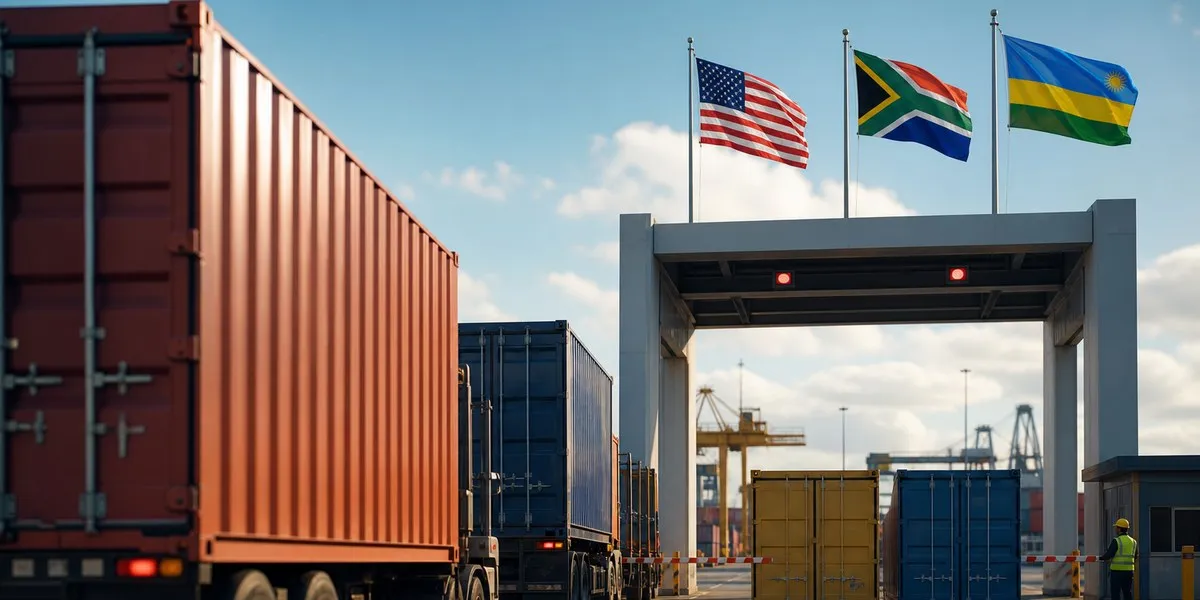
US President Donald Trump has informed Congress of his intention to exclude South Africa and Rwanda from the African Growth and Opportunity Act (Agoa) preferential trade program from January 1, 2027. The program allows participating countries to export thousands of goods to the United States duty-free, BBC News reports.
Reasons for the US decision
US Trade Representative Jamieson Greer said the annual review had identified practices by both countries that were incompatible with the requirements for program participants. According to him, the Trump administration also informed South Africa and Rwanda of this intention.
Washington cited barriers to US trade and investment, as well as national security considerations and US foreign policy interests in the region. Regarding Rwanda, the US side also expressed concerns about human rights, political pluralism, the rule of law, and workers' rights. In South Africa's case, corruption was named among the additional grounds.
More current news is available on the UA.News Telegram channel Telegram.
Relations with Rwanda and South Africa
The announcement came less than a week after the US Department of the Treasury imposed sanctions on Rwanda's Ministry of Defence over its alleged role in the armed insurgency in eastern Democratic Republic of the Congo. The US department stated that Rwanda's defence ministry had directed thousands of troops fighting alongside M23 rebels in eastern DRC and had provided them with weapons, equipment, logistics, and training.
Washington's relations with South Africa also remain strained. Last year, during a meeting with South African President Cyril Ramaphosa at the White House, Trump accused South Africa of white genocide and launched a refugee admissions program in the United States for Afrikaners. US Ambassador to South Africa Leo Brent Bozell III called the possible end of the country's participation in Agoa foreseeable and preventable, linking it to the South African government's refusal to address the concerns voiced by the United States.




