
80% of South Korean judges encountered fake AI precedents — Korea Herald
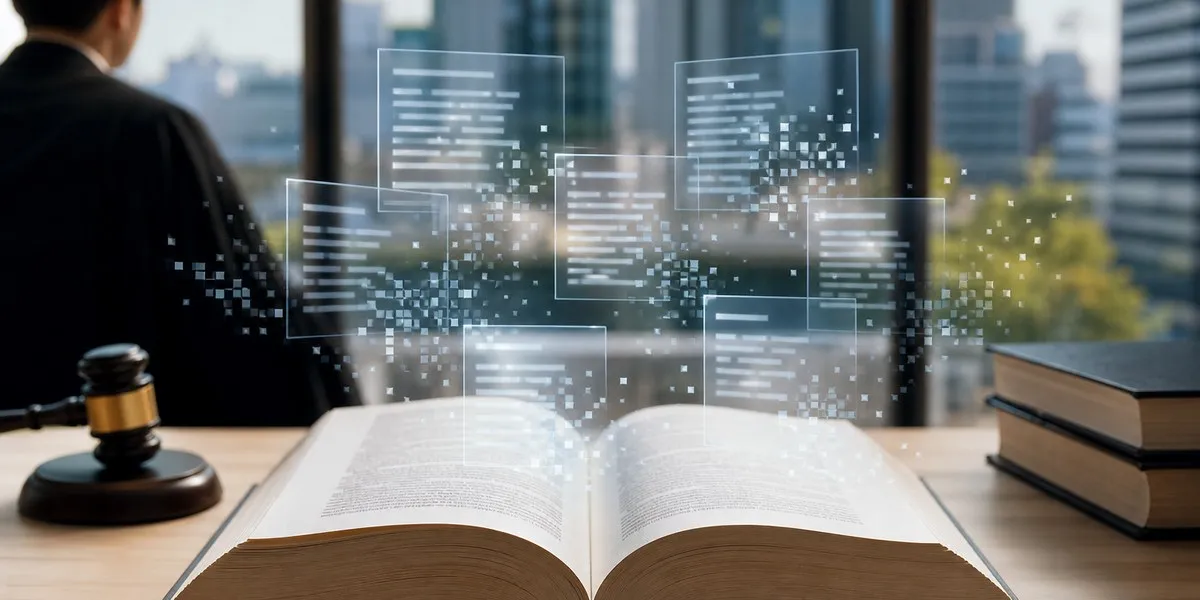
About 80% of South Korean judges handling civil, family and administrative cases reported encountering references in court proceedings to false or non-existent precedents generated by artificial intelligence. The results of a survey of 360 judges conducted from October 6 to 16 were released by the country’s Supreme Court, the Korea Herald reports.
Non-existent rulings and regulations
Among the judges who reported such cases, 196 people, or 80.7%, said they had seen references to non-existent judicial precedents in case materials. Another 159 judges, or 65.4%, encountered citations of false precedents.
In addition, 41 judges, or 16.9%, reported cases involving references to false or non-existent laws and regulations. Ten respondents, or 4.1%, saw references to fake or non-existent academic papers and publications.
More current news is available on the UA.News Telegram channel Telegram.
Proposals for countermeasures
Nearly 92% of survey participants believe institutional measures are needed to respond to the use of AI-generated fake precedents. Possible steps include legal grounds for fines, requirements to verify cited information, and disciplinary measures against lawyers who repeatedly refer to false information.
A representative of the National Court Administration noted that the use of fake or non-existent AI-generated precedents may delay court proceedings. The survey was conducted amid growing concern over the phenomenon of so-called AI hallucinations, when models present false information as reliable.




