
Rats showed more heart scarring after space radiation exposure — Live Science
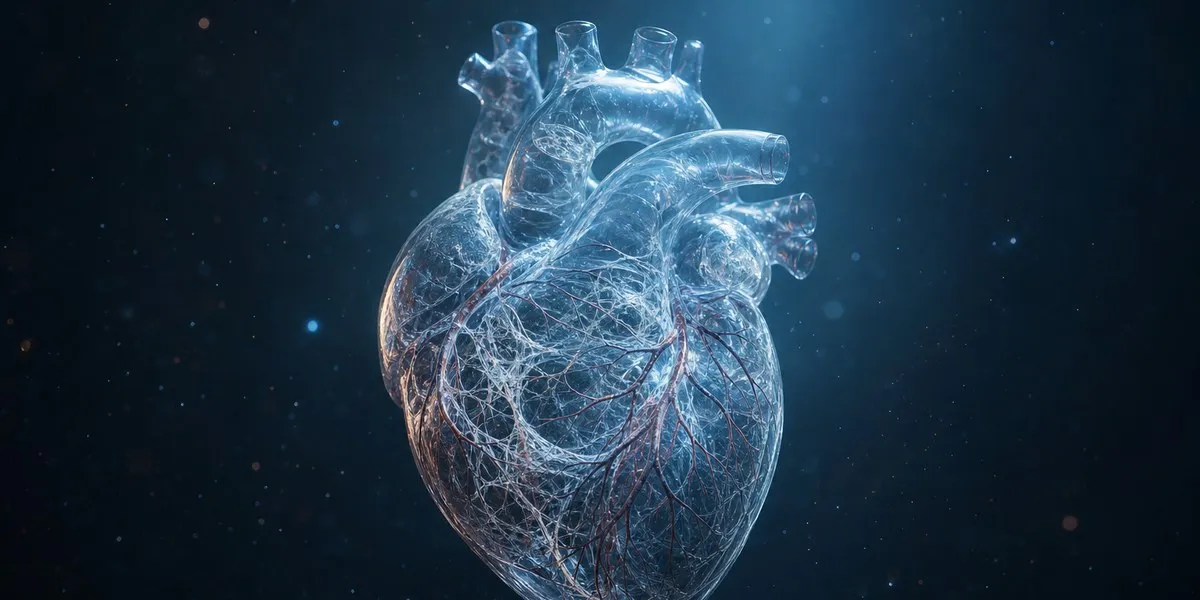
In an experiment on rats, researchers found twice as much scar tissue around the heart’s small blood vessels after exposure to simulated space radiation than in unirradiated animals. This result was recorded 360 days after a single irradiation. Live Science reports on the study, published on September 30 in the journal PLOS One.
Simulating a flight to Mars
The researchers used NASA’s SimGCRSim galactic cosmic radiation simulator. For several minutes, the rats were irradiated with a dose proportional to their size and similar to that which astronauts may receive during a trip to Mars and back. With current technology, such a journey could take about 18 months.
Some of the animals also had their hind legs suspended to simulate weightlessness. No damage to heart tissue was found in rats exposed only to this simulated weightlessness. This indicates that, within this experiment, the scarring was associated specifically with radiation exposure.
More current news is available on the UA.News Telegram channel Telegram.
Risk to the heart
Scar tissue may be a sign of cardiac fibrosis, a condition that increases the risk of heart failure. According to study co-author John Baker, the buildup of scar tissue makes it harder for the heart to relax properly. He also stressed the importance of long-term medical monitoring of astronauts after their return to Earth.
The authors caution that the rat study does not make it possible to directly determine whether a similar effect will occur in humans. Further experiments may help assess ways to protect crews on long-duration space missions, including improving spacecraft shielding against radiation or using heart medications.




