
US data centers deploy aircraft engines amid power delays — TechCrunch
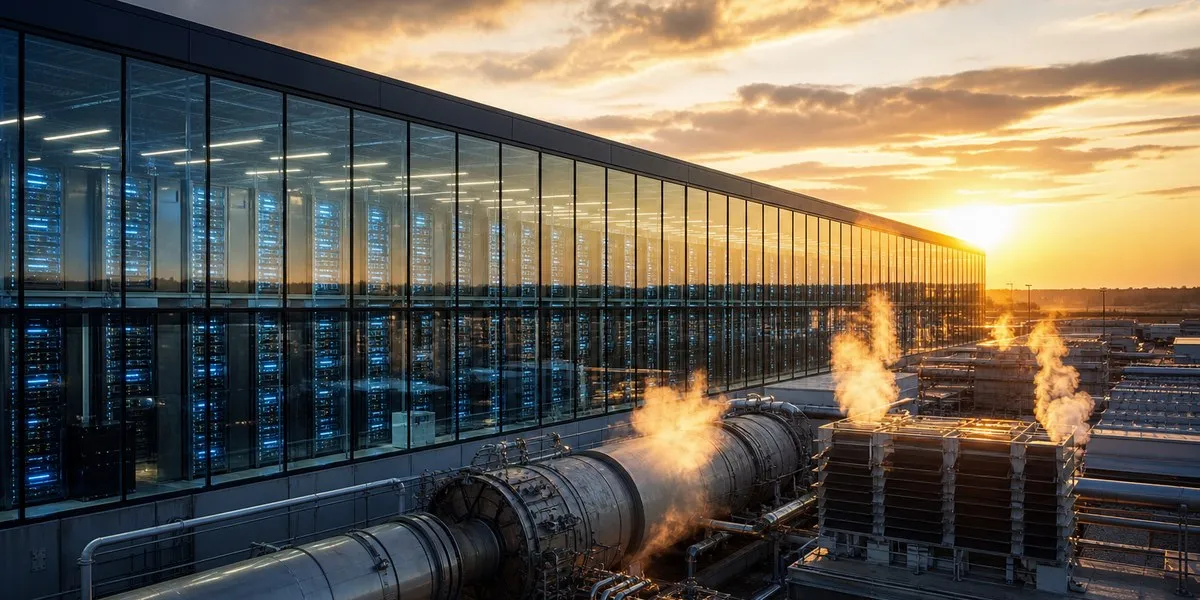
In the United States, some data centers for artificial intelligence systems have begun generating electricity using converted aircraft engines. The reason is the years-long wait for grid connections and the delivery of new turbines, TechCrunch reports, citing The New York Times.
A faster alternative to the grid
Engines from retired aircraft are repaired and converted to run on natural gas. Rystad Energy analyst Audun Martinsen told The New York Times that such units make it possible to launch a data center in about 24 months. At the same time, connecting 100 megawatts to the power grid in Northern Virginia takes about seven years, according to an estimate by the International Energy Agency.
Last week, the head of Mitsubishi Power told Bloomberg that most new generating capacity is not expected until 2031. The delays are already affecting data center operators: Microsoft withdrew as the anchor customer of Nscale's data center in Loughton, England, after the local energy company said it would be unable to provide the facility with sufficient electricity until the early or mid-2030s.
More current news is available on the UA.News Telegram channel Telegram.
Examples in the US
Elon Musk's xAI installed eight converted aircraft-engine-based turbines in Mississippi to help supply electricity to the Colossus 2 data center in Memphis. According to The New York Times, this follows from government permits and satellite imagery. The units are supplied by ProEnergy, which refurbishes GE engines used, among other things, on Boeing aircraft.
In 2025, OpenAI also used gas turbines at the first Stargate site in Abilene, Texas. Crusoe, the startup building the campus, ordered 13 converted ProEnergy units in April. In September, the company withdrew from a $1.25 billion deal to purchase 29 gas turbines from Boom Supersonic, but told TechCrunch that it still plans to use turbines.
The administration of US President Donald Trump is also encouraging data centers to generate electricity independently. At the same time, converted aircraft engines are less efficient and produce more pollution than turbines designed for conventional gas power plants. More such units are needed to generate the same amount of electricity, so experts view this solution primarily as temporary.




