
Pakistan strengthens groundwater monitoring with isotope methods — Dawn
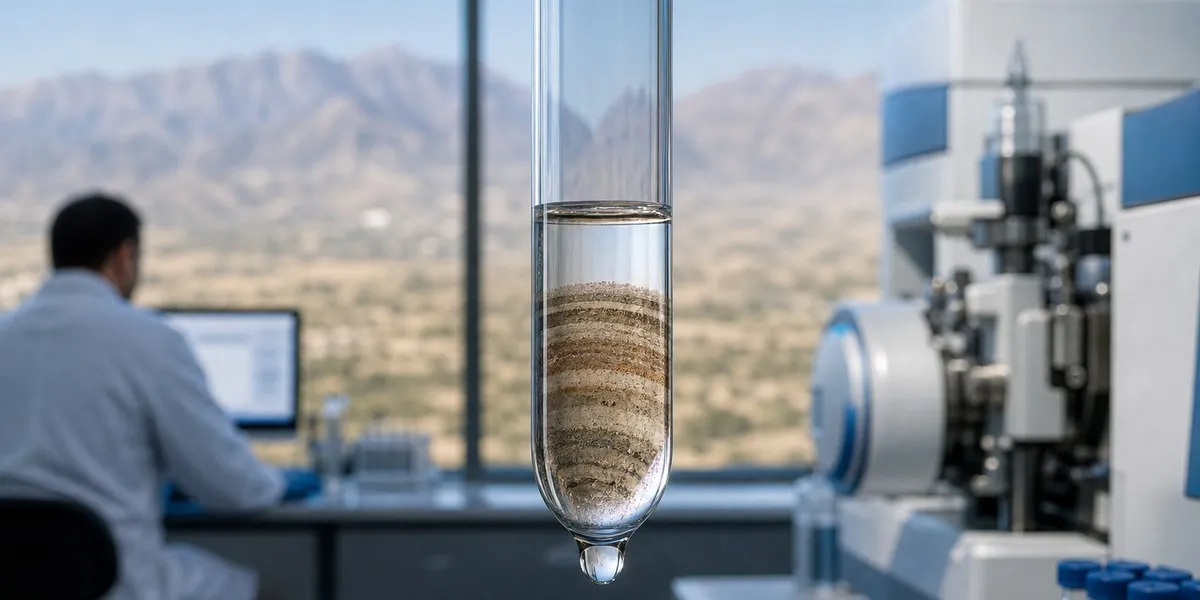
Pakistan has strengthened its capacity to track groundwater resources using nuclear technologies. Isotope methods enable scientists to identify sources of aquifer recharge, determine the age of water and trace contamination pathways, Dawn reports, citing a report by the International Atomic Energy Agency.
Aquifer monitoring
The changes are linked to the country’s participation in the groundwater hydrology programme of the Regional Cooperative Agreement for Research, Development and Training Related to Nuclear Science and Technology for Asia and the Pacific. According to the IAEA, the use of isotope technologies has strengthened Pakistan’s capacity for continuous groundwater observation under different hydrogeological conditions.
Programme-supported studies have provided estimates of groundwater recharge rates, links between aquifers and contamination pathways in the Indus Plain, the Quetta Valley and the Cholistan Desert. The report states that the findings of these studies provide data for developing long-term water resource management strategies.
More current news is available on the UA.News Telegram channel Telegram.
Laboratory capabilities
Before participating in the programme, groundwater monitoring was not a primary focus of national hydrological research. At that time, hydrochemical analysis and physical measurements were mainly used, providing baseline data on water depth, quality and aquifer dynamics.
The Pakistan Institute of Nuclear Science and Technology, Pinstech, now has one of the region’s most advanced laboratories for isotope analysis, complemented by 12 laboratories across the country. Pinstech and the Pakistan Council of Research in Water Resources are jointly integrating isotope data into national groundwater management models. As stated in the IAEA report, this contributes to the early detection of excessive water withdrawal, saltwater intrusion and other signs of pressure on aquifers.




