
DNA of people who lived 22,000 years ago found in cave soil in Spain — ScienceAlert
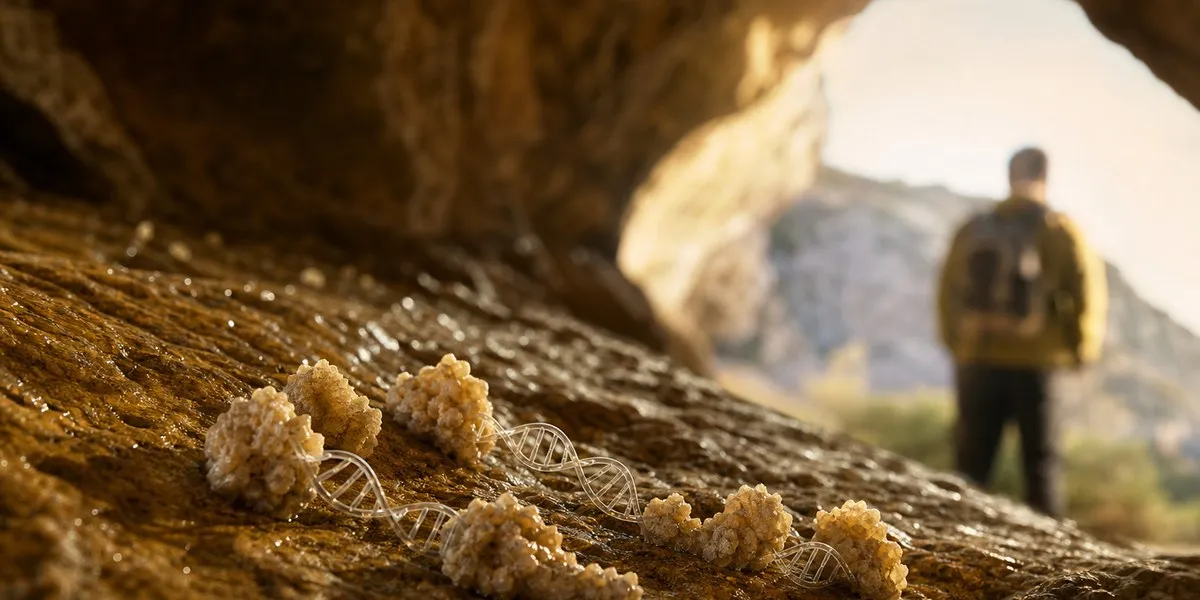
Researchers extracted ancient human nuclear DNA from sediment in El Mirón Cave in Spain, where no bones, teeth or other human remains were found in the corresponding layer. The genetic material came from several people who lived about 22,000 years ago, ScienceAlert reports. The results of the team led by researchers from the University of Vienna were published in the journal Science Advances.
More than a billion DNA fragments
For the analysis, scientists used a very small sediment sample, comparable in mass to several grains of rice. It had to be sequenced 100 times to obtain sufficient usable data. The team analyzed more than a billion DNA fragments to identify human traces and also accounted for possible modern contamination of the sample.
Scientists suggest that the genetic material may have entered the sediment from the skin, hair or blood of people who were in the cave during the coldest period of the last ice age in Europe. The DNA likely comes from a mixture of several individuals, with more men than women among them.
More current news is available on the UA.News Telegram channel Telegram.
Data on the population of southwestern Europe
Analysis of nuclear DNA indicates that the cave's inhabitants probably belonged to a group of western ancestry and may have had dark skin, hair and eyes. Nuclear DNA is inherited from both parents and contains more information about a person's ancestry than mitochondrial DNA, which is passed down only through the maternal line.
The authors compared the material from El Mirón with data obtained from the remains of a woman from France who lived about 31,000 years ago and from a tooth from northern Spain dating to about 25,000 years ago. The two older samples showed signs of eastern ancestry, while the DNA from El Mirón shows only signs of western ancestry. At the same time, the researchers noted that their data do not indicate a large-scale population replacement or a break in continuity in southwestern Europe between 30,000 and 20,000 years ago.




