
Nearly 40% of chatbot responses about elections contained errors — The Japan Times
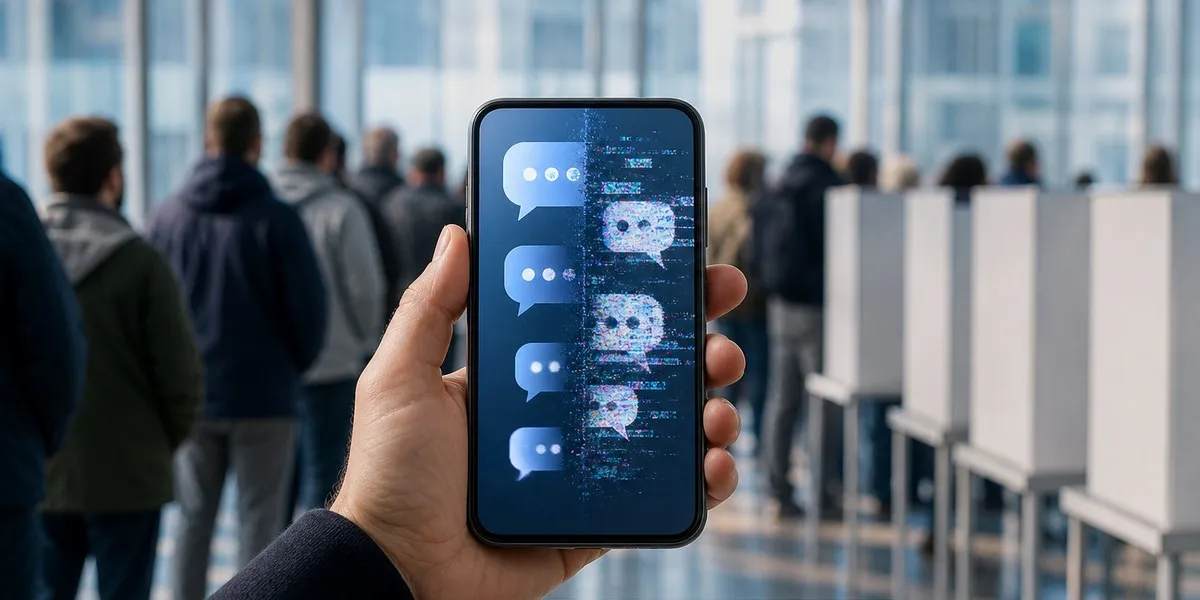
Ahead of the U.S. midterm elections, researchers warn that artificial intelligence chatbots may provide voters with false information about candidates and voting procedures. As The Japan Times reports, on November 3, the first federal elections in the United States will take place in which millions of people are actively using AI tools to search for political information.
Errors concerning candidates and voting
Forum AI, a startup that evaluates AI models, analyzed eight chatbots and found that nearly 40% of their responses to election-related queries contained at least one factual error. According to the researchers, the models were more likely to answer questions about voting administration incorrectly than queries about candidates.
In particular, in response to a question about why voters should support North Carolina Congressman Don Davis, Anthropic’s Claude chatbot described him as a former school superintendent, confusing the politician with another person. Google’s Gemini 3.6 Flash, in a response about voting in Pennsylvania, listed November 3 as the deadline to apply for a mail-in ballot, although the actual deadline was a week earlier.
Forum AI also said that chatbots hundreds of times attributed words to candidates, officials and observers that they had not said, and also cited low-quality sources, including discussions on Reddit. Anthropic did not respond to a request for comment. Google said it is focused on helping voters find reliable information and applies strict quality-control measures and rules regarding election-related topics.
More current news is available on the UA.News Telegram channel Telegram.
Risks of disinformation spreading
Researchers also pointed to chatbots’ vulnerability to foreign information operations. In late October, fact-checkers debunked a video likely altered with AI in which a former student of Texas state Senate candidate James Talarico allegedly accused him of sexual misconduct. According to the publication, the baseless accusation showed signs of a Russian disinformation campaign.
According to a test by NewsGuard, Google AI Overview, Gemini and Microsoft Copilot repeated this false claim. After the video was widely debunked, further testing showed that the tools were already referring to professional fact-checkers. Microsoft explained that at the time of the initial queries, the situation was developing rapidly and reliable data was lacking; later, Copilot updated its context and labeled the claim as fabricated.
Some users do not trust AI
According to a survey by the nonpartisan National Conference on Citizenship, two out of five Americans used AI tools to search for information about candidates or ballot questions. Only 40% of respondents trust such tools regarding information about when, where and how to vote, while 60% said they have little or no trust in their impartiality regarding candidates.
At the same time, the Brennan Center for Justice found that leading chatbots rejected widespread conspiracy theories about vote rigging, including claims of alleged manipulation of voting machines, even when users repeatedly insisted on such versions.




