
SpaceX to launch six Xona satellites for beta testing of GPS alternative — TechCrunch
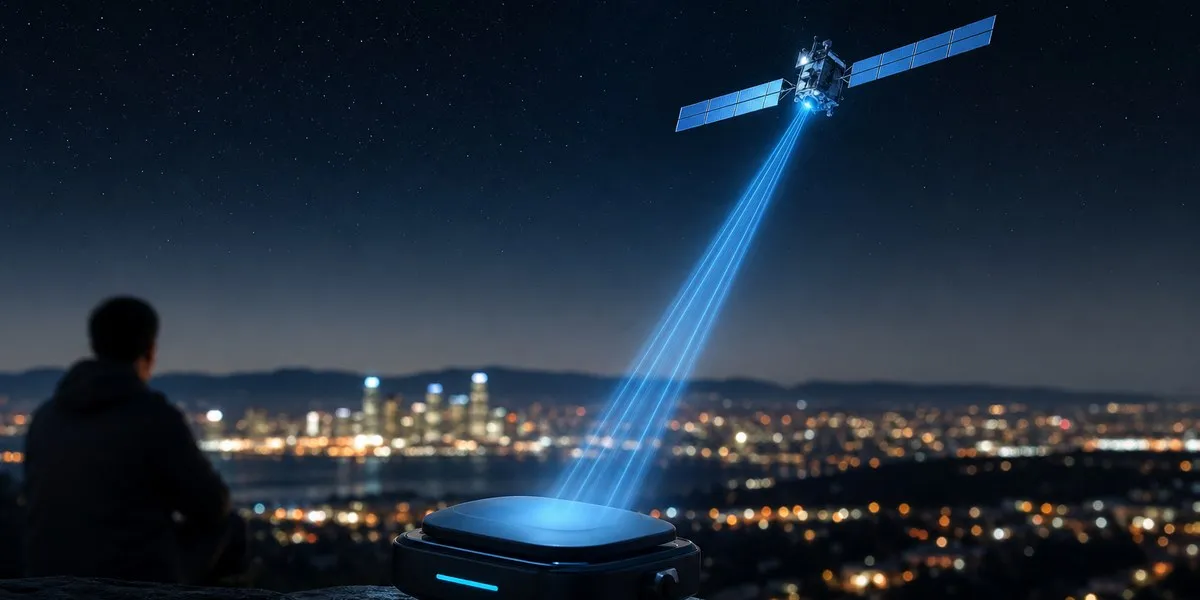
US startup Xona Space Systems plans to begin beta testing its commercial precise navigation and timing system, Pulsar, this month. This will become possible after SpaceX’s planned launch of six of the company’s satellites, TechCrunch reports.
Four spacecraft are similar to the prototype that Xona launched last year to test the technology. They are built on the Aerospace Labs satellite platform. The company manufactured two more satellites entirely at its headquarters in Burlingame, California. They are intended to form the basis of the future 258-satellite Pulsar constellation.
Centimeter-level accuracy
According to Xona, Pulsar is intended to provide location accuracy down to centimeters, while GPS provides accuracy at the meter level. The company also says its signal will be strong enough to be received inside buildings and in dense urban environments.
More current news is available on the UA.News Telegram channel Telegram.
Xona CEO Brian Manning believes the signal strength should also make it harder to jam or spoof. Satellite navigation systems, including GPS and counterparts created by Europe, China and Russia, are vulnerable to such interference, and their accuracy is insufficient for autonomous cars or agricultural robots without additional solutions.
First customer trials
Once the satellites reach orbit, Xona will be able to test Pulsar with real customers: over mid-latitudes, the spacecraft will pass overhead about eight times a day. The CEO of TimeBeat, a company specializing in electronic time synchronization, said the initial pilot project will allow its engineers to check and adjust the time provided by the company’s devices in different countries.
Xona was founded in 2019 by five engineers who met while pursuing master’s degrees in aerospace engineering at Stanford University. The startup has raised more than $300 million in venture funding, including $20 million from the US Space Force. By 2028, the company expects to provide full coverage of the United States, Europe, Japan and South Korea.




