
Diverse bacteria found in fuel from sunken ships in Micronesia — ScienceAlert
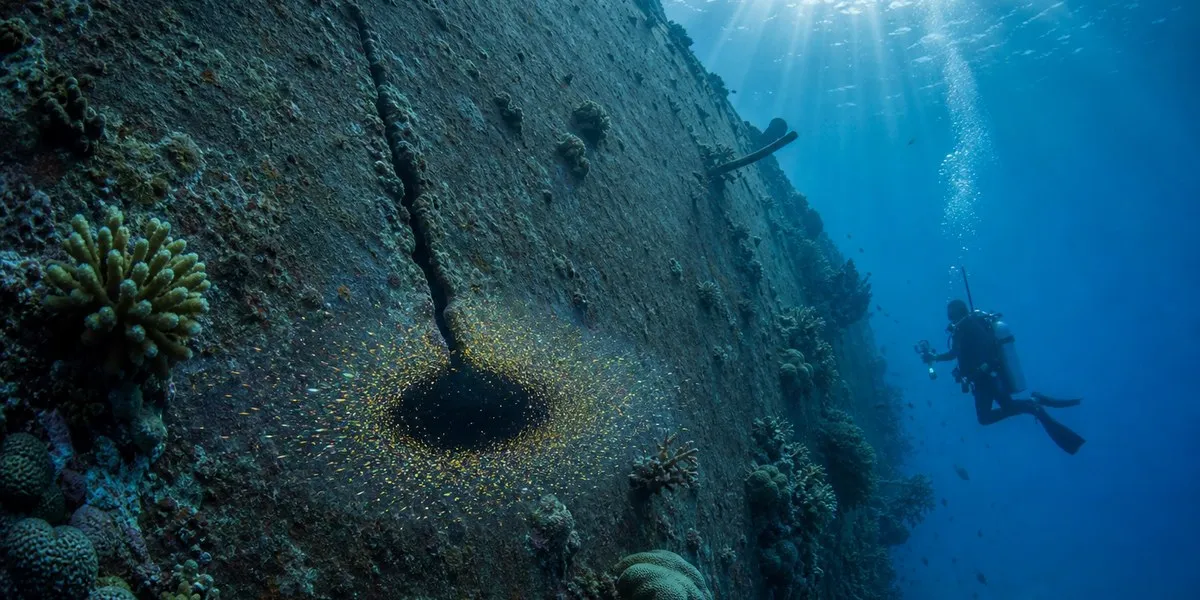
In Chuuk Lagoon in Micronesia, scientists examined fuel from two Japanese ships sunk during World War II and found diverse bacterial communities in it. Among the microorganisms discovered were representatives of genera that include bacteria capable of using petroleum hydrocarbons as a source of carbon and energy, ScienceAlert reports.
Fuel from two sunken vessels
Researchers collected samples from the oil tanker Shinkoku Maru and Kiyosumi Maru, a former passenger-cargo vessel converted for military service. Medium fuel is leaking into the lagoon from Shinkoku Maru, while heavier fuel is leaking from Kiyosumi Maru. Due to corrosion of the hulls, oil that remained in the tanks for decades continues to enter the water.
The scientists also examined a sample at the boundary between fuel and seawater near Shinkoku Maru. Both types of fuel contained complex mixtures of petroleum hydrocarbons, including compounds toxic to marine organisms. The lighter fuel from Shinkoku Maru contained more volatile aromatic compounds, while the heavier fuel from Kiyosumi Maru contained more persistent hydrocarbons.
More current news is available on the UA.News Telegram channel Telegram.
Different bacterial communities
DNA sequencing identified bacteria from 42 phyla, 107 classes, 249 orders, 432 families, 1,047 genera, and 1,505 classifications at the species level in the samples. Proteobacteria were the most represented. The detected genera included Ralstonia, Sphingomonas, and Corynebacterium, some representatives of which are known for their ability to break down petroleum hydrocarbons.
At the same time, the authors of the study did not test whether the detected bacteria break down hydrocarbons directly in the fuel of the sunken vessels. The composition of the microbial community at the oil-water boundary differed from the composition of bacteria in the fuel itself. This may indicate that different microorganisms dominate in different environments, although the reasons for these differences still require research. The study was published in the journal Marine Pollution Bulletin; its results may serve as a basis for further research into bioremediation in the Pacific region.




