
26 Years Without a Definitive Answer: Who Was Behind the Gongadze Murder?
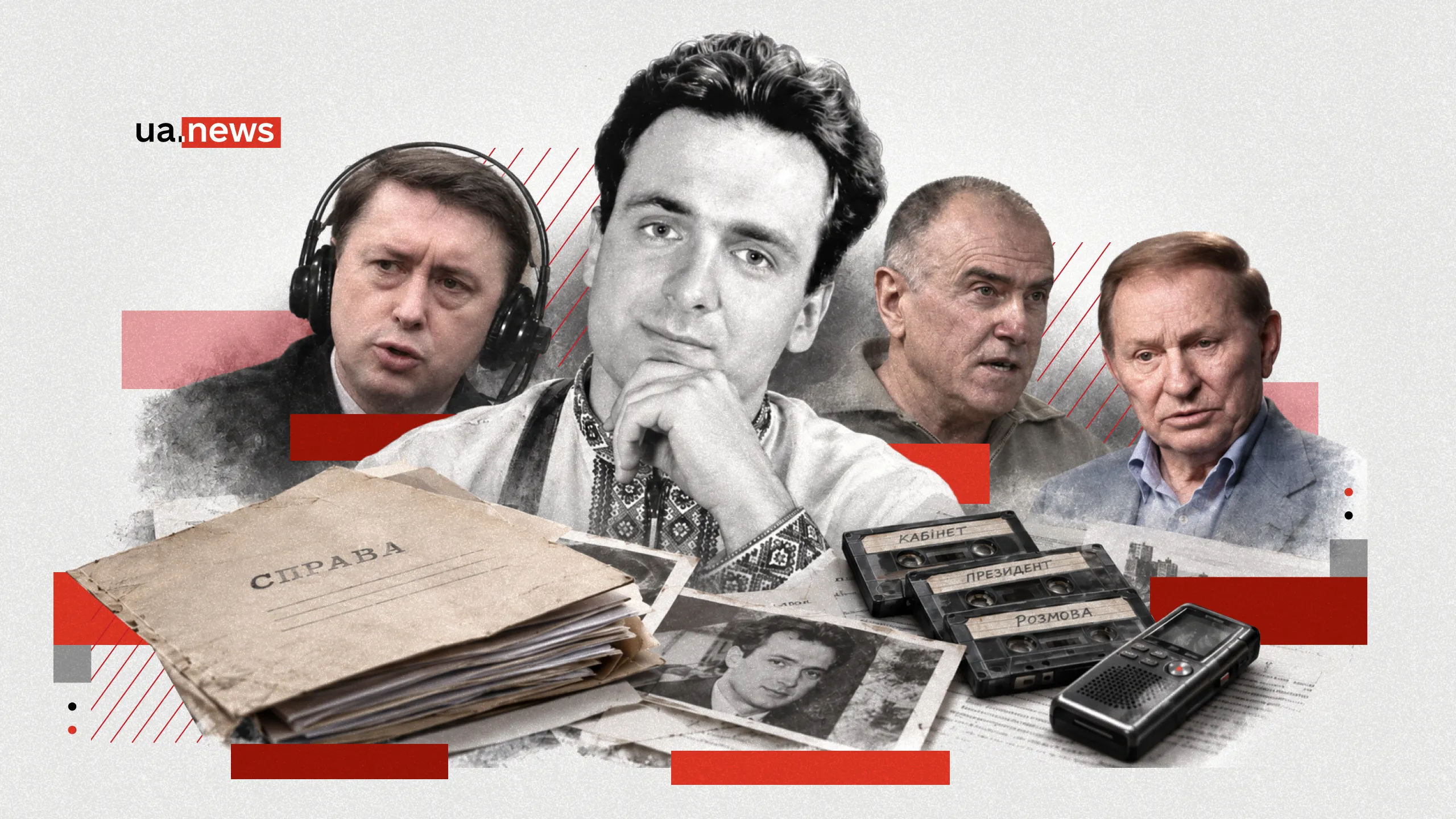
On September 16, 2000, Georgiy Gongadze, the founder of “Ukrainska Pravda,” disappeared. His murder became one of the most high-profile cases in the history of independent Ukraine, sparked the “tape scandal,” mass protests under the slogan “Ukraine Without Kuchma,” and for a decade made the question of who ordered the crime one of the main unresolved issues in Ukrainian politics.
Twenty-six years after the journalist’s disappearance, the Telegram channel “PolitInformatsiya” attempted to reconstruct the events leading up to his death and piece together the reasoning of those who may have been behind the persecution of Gongadze.
UA News analyzed the materials published by the channel and presents the version proposed by the authors.
In the late 1990s, Gongadze was not yet a symbol of Ukrainian journalism
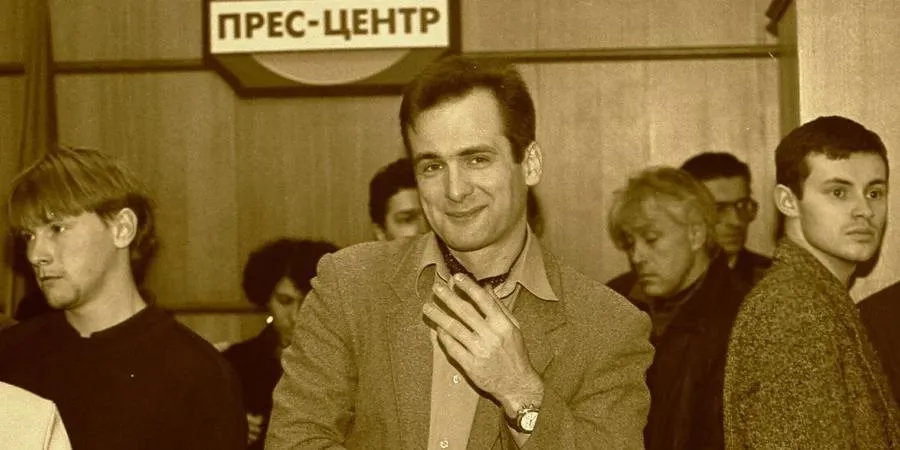
Today, Georgiy Gongadze is remembered first and foremost as a journalist whose murder became a symbol of the struggle for freedom of speech. But in the late 1990s, he lived and worked in a very different Ukraine.
Television remained the main source of information for most people, the major media outlets were largely dependent on politicians and business groups, and the internet was just beginning to evolve into a media platform.
In 1997, Gongadze began a romantic relationship with journalist Olena Prytula. That same year, his wife Myroslava gave birth to twin daughters. According to “PolitInformatsiya,” Gongadze and Prytula’s trips to the U.S. as part of journalism programs played an important role in the subsequent events. It was there that they allegedly finalized their plan to launch their own online publication.
In April 2000, “Ukrainska Pravda” was launched. Today it is one of Ukraine’s best-known media outlets, but at the beginning of its existence, the situation was quite different. The online audience was small, there was virtually no clear business model, and the editorial office was constantly short on funds.
Gongadze was forced to borrow money from acquaintances and seek funding from people across various political camps. The channel’s reports mention his contacts with Nataliya Vitrenko, Oleksandr Moroz, Yevhen Marchuk, and other political figures.
Separately, the authors mention Mikhail Brodsky, who, according to their account, began to regularly provide financial support to the new publication.
However, financial problems soon became far from the greatest threat to Gongadze.
By the summer of 2000, Gongadze’s name was already being discussed at the highest levels
“PolitInformatsiya” draws attention to several publications by “Ukrainska Pravda” that may have attracted the particular attention of President Leonid Kuchma’s inner circle.
The authors cite as one such instance the reprinting of a story from a Russian publication about Andriy Derkach—the son of Leonid Derkach, then head of the Security Service of Ukraine (SBU). The article portrayed him as a potential future president of Ukraine. According to the channel’s authors, such a publication could have further strained relations within the country’s political leadership.
But most importantly, Gongadze had already begun to notice that he was being followed. On July 14, 2000, he wrote an open letter to Prosecutor General Mykhailo Potebenko. The journalist reported that unknown individuals were gathering information about him and that a car was following him near his home and the newsroom. Gongadze himself called this an intimidation campaign and asked the prosecutor’s office to intervene.
It later became known that Gongadze was indeed under surveillance by the Ministry of Internal Affairs. At the same time, recordings made by Mykola Melnychenko in Kuchma’s office revealed that the journalist had been discussed by the president, Interior Minister Yuriy Kravchenko, and other high-ranking officials. In one of the released audio clips, a person with a voice resembling Kravchenko’s says that law enforcement officials are already monitoring where Gongadze goes and with whom he is in contact.
Why Volodymyr Lytvyn Appears in This Story
According to the channel’s authors, Volodymyr Lytvyn, then-head of the Presidential Administration, may have played a key role in ensuring that Gongadze’s articles regularly reached the president.
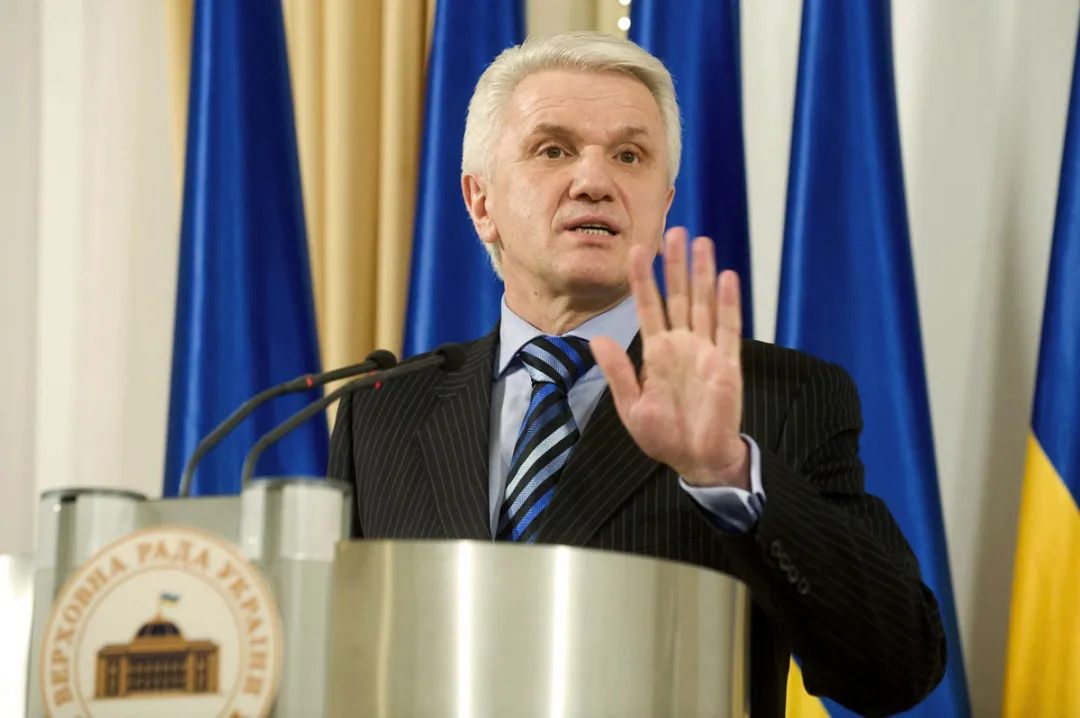
“PolitInformatsiya” refers to a theory that has circulated for many years regarding the Gongadze case: there may have been a personal conflict between Lytvyn and the journalist over Olena Prytula. According to this theory, Lytvyn was attracted to Prytula, and her relationship with Gongadze may have made him jealous.
The channel’s authors suggest that this is precisely why Lytvyn allegedly began regularly bringing Kuchma printouts of “Ukrainska Pravda” articles and drawing the president’s attention to them. This version did indeed appear in the case files and journalistic investigations. As early as 2010, “Ukrainska Pravda” reported that the so-called “personal motive” theory regarding Lytvyn was based, among other things, on the testimony of Oleksiy Pukach.
The parliamentary commission investigating the Gongadze case also cited Melnichenko’s testimony that Lytvyn systematically brought the journalist’s materials to the president. These were the conclusions of the parliamentary commission, not a final court verdict regarding Lytvyn.
After Gongadze’s open letter, the situation could only escalate
Kuchma was irritated by Gongadze’s publications. The president discussed the journalist with the leadership of the Ministry of Internal Affairs. Gongadze began to be followed. But the journalist noticed this and publicly appealed to the prosecutor general. Thus, the operation, which was supposed to remain covert, became public knowledge.
In the released Melnichenko recordings, a person with Kravchenko’s voice effectively acknowledges the problem: Gongadze noticed he was being watched and filed a complaint with the prosecutor general. The recording also contains a promise to continue targeting the journalist.
“PolitInformatsiya” speculates that after this, Kuchma expressed dissatisfaction with Kravchenko’s work, and the minister, in turn, passed this pressure on to his subordinates. One of them was Oleksiy Pukach. It was his group that would later carry out the abduction of Gongadze.
Three months before Gongadze’s murder, Pukach’s men had already taken a man into the woods
One of the key moments in the reconstruction of events took place back in June 2000. At that time, journalist and civic activist Oleksiy Podolsky, who had also harshly criticized Kuchma’s government, was abducted.
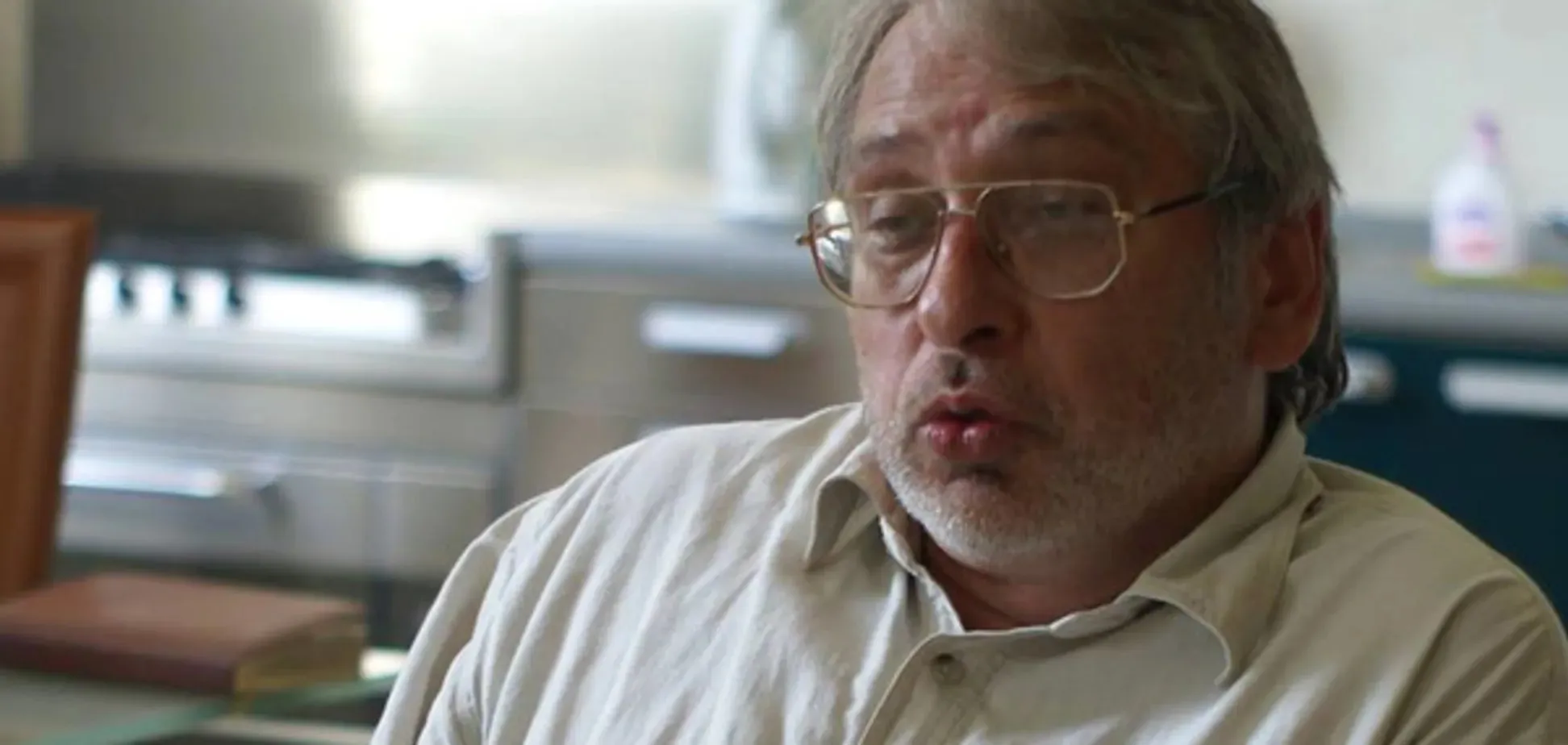
He was taken outside Kyiv, beaten, and threatened, after which he was released. Podolsky survived. Pukach’s involvement in this crime was later established by the investigation and the court. Podolsky’s story is significant because it illustrates a tried-and-true pattern.
A person opposed to the government could be secretly taken from Kyiv, transported to a deserted location, beaten, intimidated, and left there. The channel’s authors speculate that at some point, something similar may have been planned for Gongadze as well.
However, this time it ended in murder.
It was at Kravchenko’s level that the mission may have changed
Oleksiy Pukach was no ordinary police officer. He held a leadership position within the Ministry of Internal Affairs and had subordinates capable of conducting covert surveillance and carrying out unofficial assignments professionally.
In “PolitInformatsiya’s” reconstruction, it is precisely the relationship between Kuchma, Kravchenko, and Pukach that holds the key to how the harassment of the journalist could have escalated into his physical elimination. The authors suggest that initially, the campaign consisted of surveillance and intimidation. But after Gongadze noticed he was being watched and wrote an open letter, the situation changed.
According to this version, the president’s dissatisfaction with Kravchenko eventually led to an order that was given to Pukach. Pukach himself later stated during the trials that he was carrying out an order from the leadership of the Ministry of Internal Affairs. The court established his direct involvement in the journalist’s abduction and murder.
However, the question of whether there was a political order issued above the level of the Ministry of Internal Affairs—and who exactly issued it—never received a definitive judicial answer.
On September 15, Pukach’s group was already tailing Gongadze
According to the channel’s account, the abduction could have taken place as early as the evening of September 15. Pukach’s group continued to monitor the journalist and was preparing for the operation. However, it did not take place that day.
Saturday, September 16, 2000, arrived. For Gongadze, the day began as usual. In the morning, he woke up in his apartment on what was then Chervonoarmiyska Street—now Velyka Vasylkivska Street. Miroslav’s wife, their two daughters, and their nanny, Lyubov Stepanchuk, were getting ready to go to a seminar in Pushcha-Vodytsia. Gongadze’s friend, Yevhen Hlibovych, was also supposed to be there.
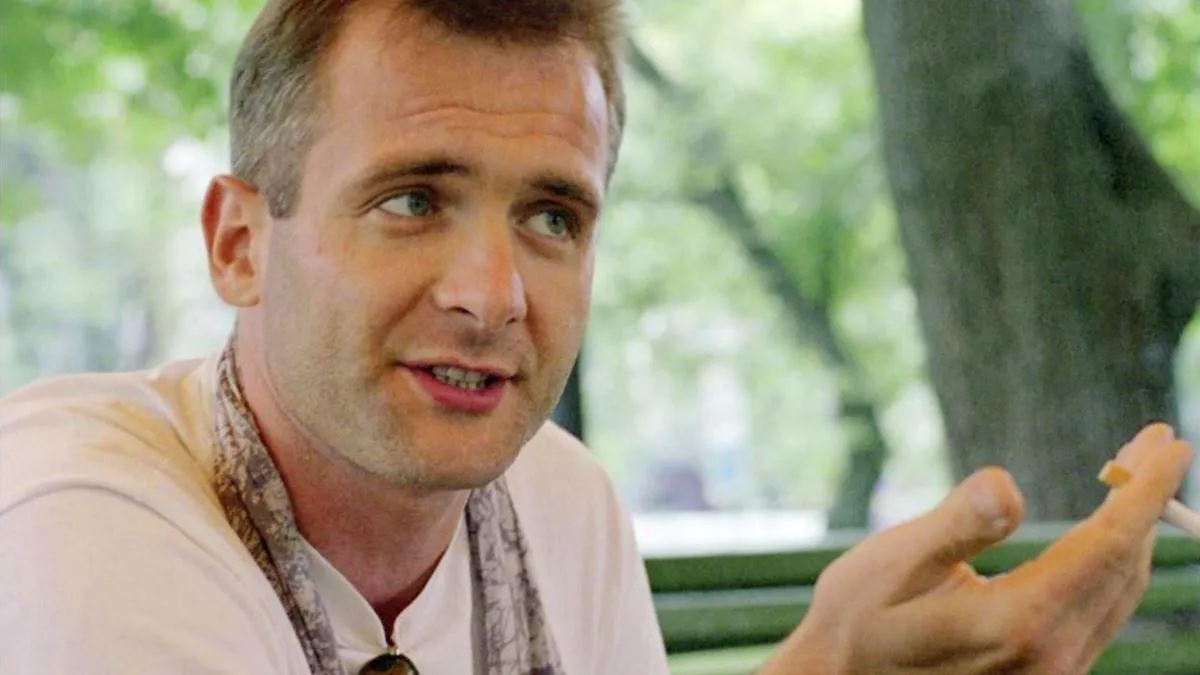
Georgiy stayed in Kyiv. He got in touch with Olena Prytula. They were supposed to meet with journalist Vyacheslav Pikhivshek. At the time, Pikhivshek was one of Ukraine’s most famous television political journalists and hosted popular political programs.
Gongadze was late for the meeting. It is not known exactly what they discussed. However, according to Myroslava Gongadze, her husband was in good spirits after the meeting. He promised to tell her about the conversation that evening.
That conversation would never take place.
On the evening of September 16, Gongadze went to meet with Olena Prytula
After meeting with Pikhovshek, Gongadze met with Olena Prytula. They went to have dinner at a small restaurant, and on their way from there to the “Ukrainska Pravda” office, they ran into several acquaintances.
This is where the most well-known part of the chronology of the journalist’s final day begins. That evening, Gongadze was at Olena Prytula’s apartment. Meanwhile, Pukach’s men continued to follow him.
When the journalist left the apartment, he was effectively under the control of a group of Interior Ministry officers. The subsequent events were largely reconstructed by the investigation and the courts many years later.
Gongadze was put into a car and driven out of Kyiv. He was killed on the night of September 16–17.
Later, Pukach returned to the burial site, dug up the body, severed the head, and reburied the remains. It was this decapitated body that was later found in a forest near Tarashcha. These circumstances were cited in Pukach’s verdict.
At that time, Ukraine did not yet know that the journalist was dead. His family, friends, and colleagues were searching for him. But within a few months, the case would cease to be merely a story about a missing person.
Melnichenko’s tapes turned the journalist’s murder into a political crisis
On November 27, 2000, Socialist Party leader Oleksandr Moroz addressed the Verkhovna Rada and revealed the existence of audio recordings made by Mykola Melnichenko, an employee of the presidential security service. On the recordings, people with the voices of high-ranking Ukrainian officials were discussing Georgiy Gongadze.
Among them were voices attributed to Leonid Kuchma, Yuriy Kravchenko, Volodymyr Lytvyn, and Leonid Derkach. It was these recordings that sparked the “tape scandal.” In 2011, representatives of the Prosecutor General’s Office stated that Melnichenko’s recordings had been admitted as physical evidence in the case. That same year, the prosecutor’s office reported that voice analyses of Kuchma and Kravchenko had been conducted.
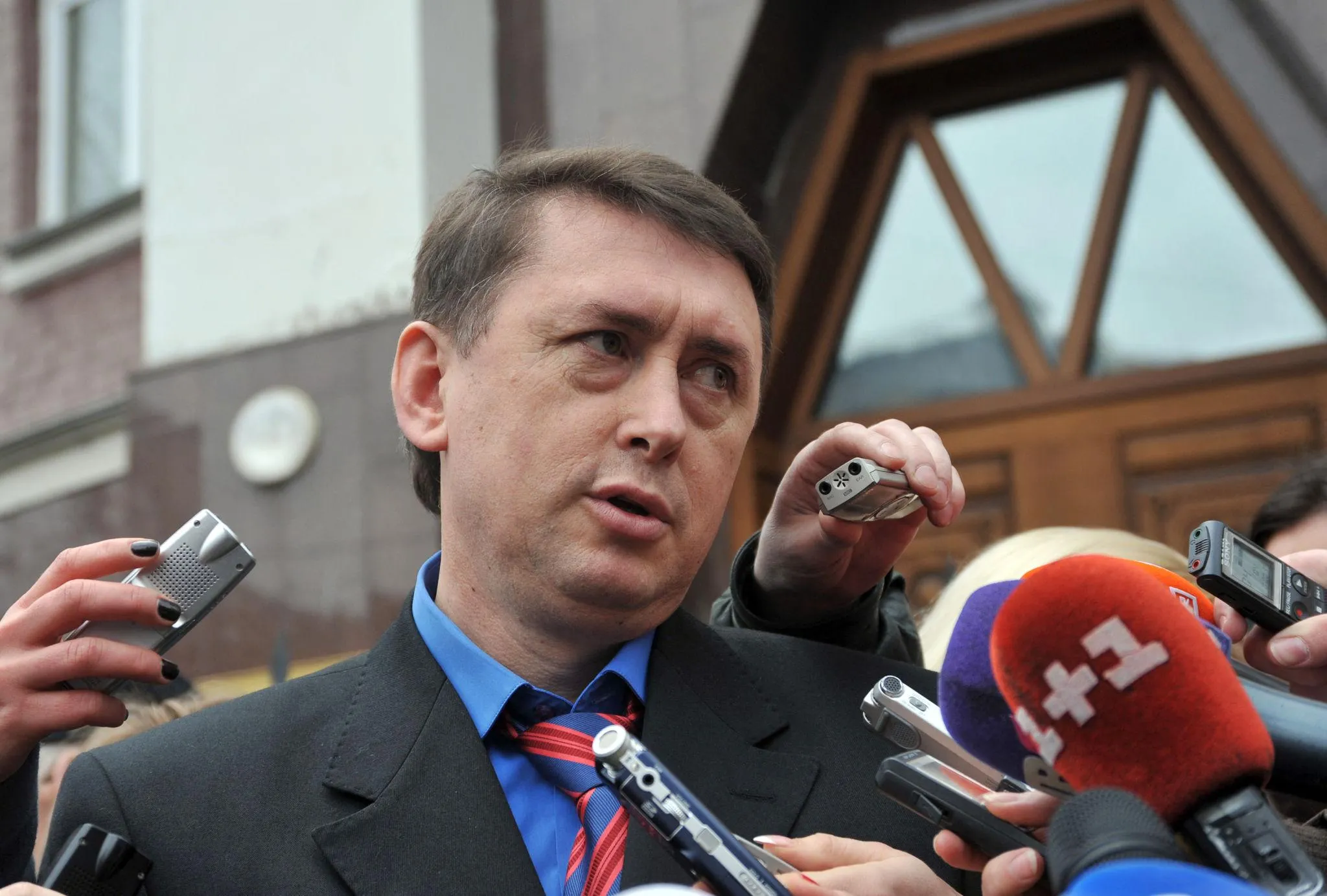
At the same time, the legal history of the recordings was complex: their admissibility, origin, and admissibility for use in various criminal proceedings had been the subject of controversy for years.
These recordings are one of the central elements of the entire narrative. They allow one to trace a chain of events from a journalist’s dissatisfaction in the president’s office—to surveillance by the Ministry of Internal Affairs—and then to Pukach’s group.
But even they do not provide a simple answer to the main question.
The direct perpetrators were punished, but the question of who ordered the crime remains
Ultimately, the involvement of police officers in the abduction and murder of Gongadze was proven. Oleksiy Pukach became the most important figure in the case. The court found him guilty of the murder of Georgiy Gongadze and other crimes and sentenced him to life in prison.

But the criminal case primarily answered the question of who directly carried out the crime. The answer to the question—why it was done and who made the political decision that set the whole process in motion—proved to be much more complex.
At the time, the parliamentary investigative commission drew much broader conclusions regarding the roles of Kuchma, Lytvyn, Kravchenko, and other officials, but the commission’s findings are not equivalent to a court conviction.
That is precisely why, even 26 years later, the Gongadze case remains more than just the story of a single murder.
It is a story about how far the state apparatus was willing to go in its fight against an inconvenient journalist—and why Ukraine has still not received a definitive judicial answer to the question of who exactly was at the very beginning of this chain of events.


