
A Culinary Celebration on November 19, 2026—Smørrebrød Day: Three Delicious Recipes
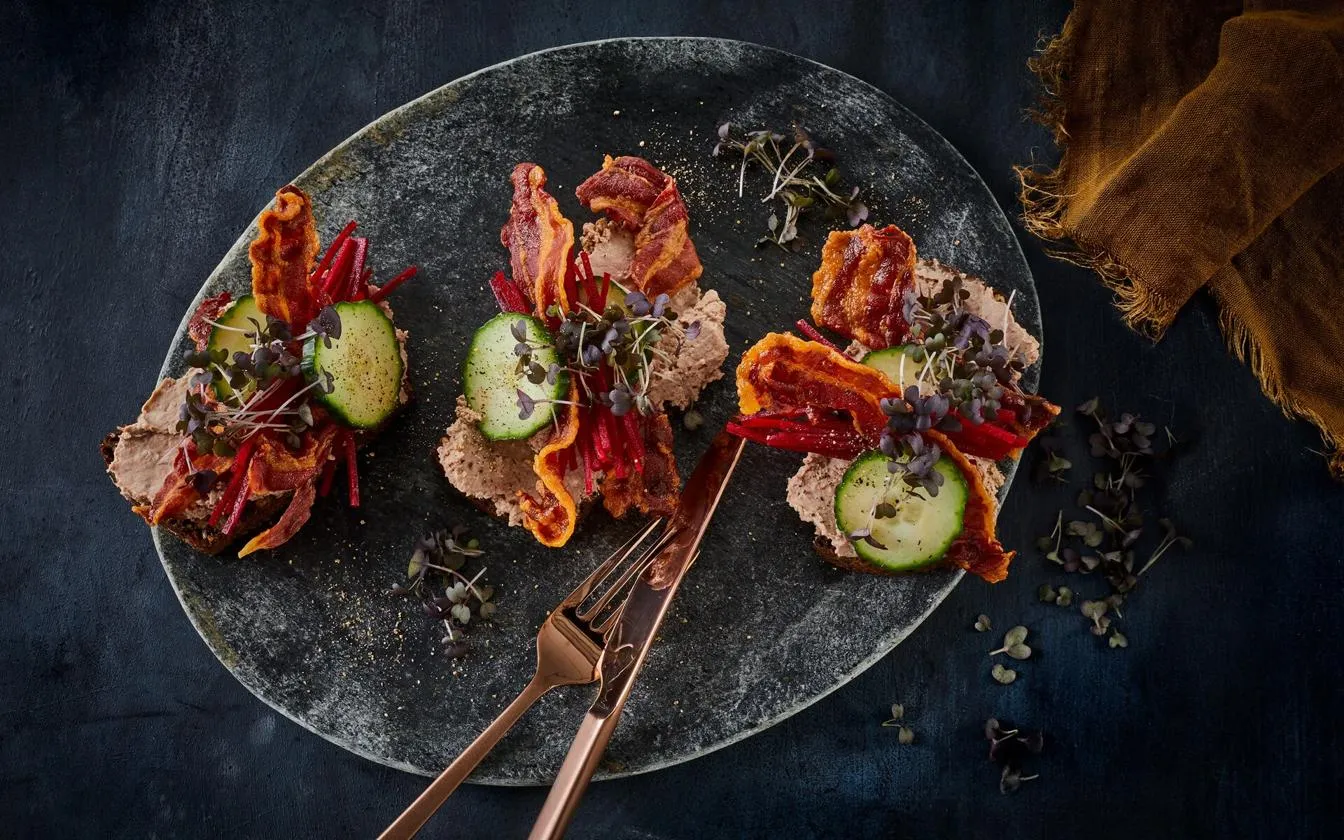
Smørrebrød are traditional Danish open-faced sandwiches made with a slice of rye bread and a variety of toppings. They are served with fish, meat, eggs, vegetables, sauces, and herbs, and some variations resemble full-fledged restaurant dishes. In Denmark, smørrebrød has long been a part of the national cuisine, and now it is prepared in other countries around the world as well.
Smørrebrød are traditional Danish open-faced sandwiches that differ from the ones we’re used to in that they consist of just a single slice of bread. The topping isn’t covered with a second slice of bread but is placed on top. That is why they are also called open-faced sandwiches. The name comes from two Danish words: *smør* means “butter,” and *brød* means “bread.” Literally, it translates to “bread with butter.”

The history of this dish is tied to the everyday life of the Danes. Long before the advent of modern restaurants, people would take bread, butter, meat, fish, and other foods with them to work. Such lunches were especially convenient for farmers, laborers, and those who spent a lot of time away from home. A slice of rye bread served as the base, onto which leftover food or pre-prepared ingredients were placed. This allowed people to eat quickly without spending time preparing a full meal.

Smørrebrød became particularly popular in Denmark in the 19th century. As cities expanded and the number of workers grew, people needed simple, filling food that they could take with them or buy near their workplace. Rye bread with various toppings was well-suited for this purpose. Over time, the ordinary working-class lunch began to evolve into a distinct culinary tradition.

By the end of the 19th century, establishments specializing in smørrebrød began to appear in Copenhagen. There, they were no longer served simply as bread with sausage or herring, but as carefully arranged dishes with several layers of toppings. Chefs experimented with combinations of ingredients, sauces, and garnishes. One of the most famous early examples of smørrebrød served in a restaurant is associated with the Nimb restaurant in Copenhagen’s Tivoli Gardens: its smørrebrød menu has been on the menu there since 1883. Since then, the dish has become not only a common lunch but also a part of Danish restaurant culture.
What Smørrebrød Is Made Of
The base of a classic smørrebrød is most often dark rye bread, known in Denmark as rugbrød. It is dense, slightly tart in flavor, and pairs well with fish, meat, and vegetables. Before adding the toppings, the bread is usually spread with butter. This not only adds flavor but also helps create a base for the other ingredients.

The toppings can vary widely. Traditional options include pickled herring with onions, roasted beef with remoulade sauce, liver pâté, shrimp with egg and mayonnaise, smoked fish, and roasted pork. Potatoes, cucumbers, radishes, tomatoes, herbs, and pickled vegetables are also used. It all depends on the recipe and personal taste preferences.
It’s important not just to pile as many ingredients as possible onto the bread, but to combine them properly. For example, salted fish is often paired with tangy pickled vegetables, while fattier meats are paired with fresh herbs or a spicy sauce. In restaurants, chefs pay attention even to how the ingredients are arranged. The filling shouldn’t fall apart, and each component should complement the overall flavor. It’s not necessary to use only rye bread for smørrebrød. For example, variations with shrimp, white fish, or smoked salmon are sometimes served on white bread. However, dark rye bread remains the most recognizable base for this Danish dish.
Where Smørrebrød Is Especially Popular
Smørrebrød is most widespread in Denmark, where it is considered one of the country’s culinary hallmarks. You can find it in restaurants, cafes, bakeries, and even in regular grocery stores. There are a particularly large number of establishments specializing in this dish in Copenhagen. There, smørrebrød is prepared both according to classic recipes and in modern, creative variations.

Outside of Denmark, this dish is also popular in other Scandinavian countries. Similar open-faced sandwiches are prepared in Sweden and Norway, although local recipes and names may vary. In Northern European countries, it is common to serve bread with fish, meat, cheese, and vegetables. At the same time, Danish smørrebrød stands out for its special attention to presentation and the combination of toppings.

Today, they can also be found in restaurants outside of Scandinavia—notably in the United Kingdom, the United States, Australia, and other countries. Some establishments stick to traditional recipes, while others incorporate local ingredients and create unusual combinations. Thanks to this, smørrebrød has become a dish familiar to many cuisines around the world: the base remains simple, while the toppings can be varied almost without limit.
The Most Famous Types of Smørrebrød
Among the classic varieties, the smørrebrød with pickled herring holds a special place. It is often topped with onions, a hard-boiled egg, herbs, and pickled vegetables. This combination of salty, tangy, and delicate flavors perfectly captures the essence of Danish cuisine. Another popular variation features roast beef. Thin slices of roasted beef are placed on rye bread, topped with remoulade sauce, horseradish, pickled cucumber, and crispy fried onions. The meat makes the dish hearty, while the sauce and vegetables add depth to the flavor.

Stjerneskud, which translates to “shooting star,” deserves special attention. It is one of the most spectacular varieties of smørrebrød. It is made with bread topped with fish, shrimp, sometimes caviar, vegetables, and sauce. Some recipes use two types of fish—fried and steamed. Due to the large number of ingredients, the dish looks like a true restaurant-style creation.
Interesting Facts About Smørrebrød
It’s a full meal, not just a snack. In Denmark, smørrebrød is traditionally eaten mainly at lunchtime. A few different open-faced sandwiches can replace a full meal.
They are usually eaten with a knife and fork. Due to the generous amount of toppings and the elaborate presentation, smørrebrød isn’t always easy to hold in your hands. That’s why it’s customary to eat them with cutlery in restaurants.
Different toppings have their own classic combinations. Herring is often served with onions and eggs, roast beef with remoulade and crispy onions, and shrimp with mayonnaise, lemon, and dill.
In Denmark, there are specific names for certain recipes. For example, “Sun over Gudhjem” is a smørrebrød with smoked herring, onion or chives, and egg yolk. The name is associated with the town of Gudhjem on the island of Bornholm, known for its tradition of smoking fish.
At one time, the smørrebrød menu was enormous. Danish restaurateur Oscar Davidsen became famous for a menu featuring 178 varieties of these open-faced sandwiches. According to historical accounts, the list of dishes was approximately 1.4 meters long.
Three smørrebrød recipes you can make at home
Smørrebrød is easy to make without any complicated equipment: all you need is bread, a filling, and a few additional ingredients. Below is one classic Danish version and two more interesting combinations. The latter two are modern, creative interpretations rather than traditional Danish recipes.
1. Classic smørrebrød with herring and egg

Ingredients:
2 slices of dark rye bread;
150 g of pickled herring;
2 eggs;
1 small red onion;
1 pickled cucumber;
2 tbsp butter;
a few sprigs of dill;
1 tsp mustard — optional;
ground black pepper to taste.
Preparation:
Hard-boil the eggs for about 8–10 minutes after the water comes to a boil. Then let them cool, peel them, and slice them into rounds.
Slice the onion into thin rings or half-rings. Cut the pickled cucumber into small slices.
Lightly toast the slices of rye bread in a dry skillet or leave them fresh. Spread butter on each slice.
Arrange the herring slices on the bread. Try to distribute them evenly so the filling doesn’t fall off when serving.
Add the egg slices, red onion, and cucumber.
Sprinkle with black pepper and garnish with fresh dill. You can add a little mustard if desired.
This smørrebrød has a distinct salty flavor. The herring pairs well with the delicate egg, while the onion and cucumber add freshness and a slight tang.
2. Smørrebrød with Pear, Blue Cheese, and Walnuts

This version is perfect for those who want to try an unusual combination of sweet, salty, and nutty flavors. The pear adds juiciness, the blue cheese adds depth, and the honey softens its saltiness. This is a modern take on an open-faced sandwich, not a classic Danish recipe.
Ingredients:
2 slices of rye bread;
1 ripe but firm pear;
70–80 g blue cheese;
30 g walnuts;
1–2 tsp honey;
1 handful of arugula;
1 tsp butter;
a little lemon juice;
black pepper to taste.
Preparation:
Wash the pear, remove the core, and slice it thinly. Lightly sprinkle with lemon juice to prevent it from browning.
Chop the walnuts with a knife. If desired, toast them in a dry skillet for 2–3 minutes to bring out their flavor.
Lightly toast the slices of rye bread and spread a thin layer of butter on them.
Arrange the arugula on the bread and top with the pear slices.
Break the blue cheese into small pieces and distribute them over the pears.
Sprinkle with nuts, drizzle with a small amount of honey, and add a little black pepper.
If desired, you can first sauté the pear in a skillet with a small amount of butter. A few minutes are enough for it to soften and caramelize slightly. Prepared this way, it pairs even better with the cheese.
3. Smørrebrød with Shrimp, Avocado, and Lemon Sauce

This version is inspired by Danish smørrebrød with seafood. Classic recipes often call for shrimp, mayonnaise, lemon, and dill. Avocado and a light sauce add a modern twist and make the filling more delicate.
Ingredients:
2 slices of rye or whole-grain bread;
150 g peeled, cooked shrimp;
1 ripe avocado;
2 tbsp plain yogurt;
1 tbsp. mayonnaise;
1 tsp lemon juice;
a few sprigs of dill;
1 small cucumber;
salt and black pepper to taste;
a little lemon zest for serving.
Preparation:
If the shrimp are frozen, thaw them in advance and pat them dry thoroughly. If they are raw, boil them in salted water until cooked through, then let them cool.
For the sauce, mix plain yogurt, mayonnaise, lemon juice, and finely chopped dill. Add a little black pepper.
Cut the avocado in half, remove the pit, and slice it thinly. Slice the cucumber thinly as well.
Toast the bread slightly, if desired. Arrange the avocado and cucumber slices on top.
Arrange the shrimp on top and add the lemon sauce.
Garnish with dill, a small amount of lemon zest, and freshly ground pepper.
This smørrebrød is light and delicate. The shrimp add a sweet, ocean-like flavor, the avocado makes the filling creamy, and the lemon sauce adds a refreshing touch.




