
Lubinec criticized the NMT for excessive workload and technical glitches
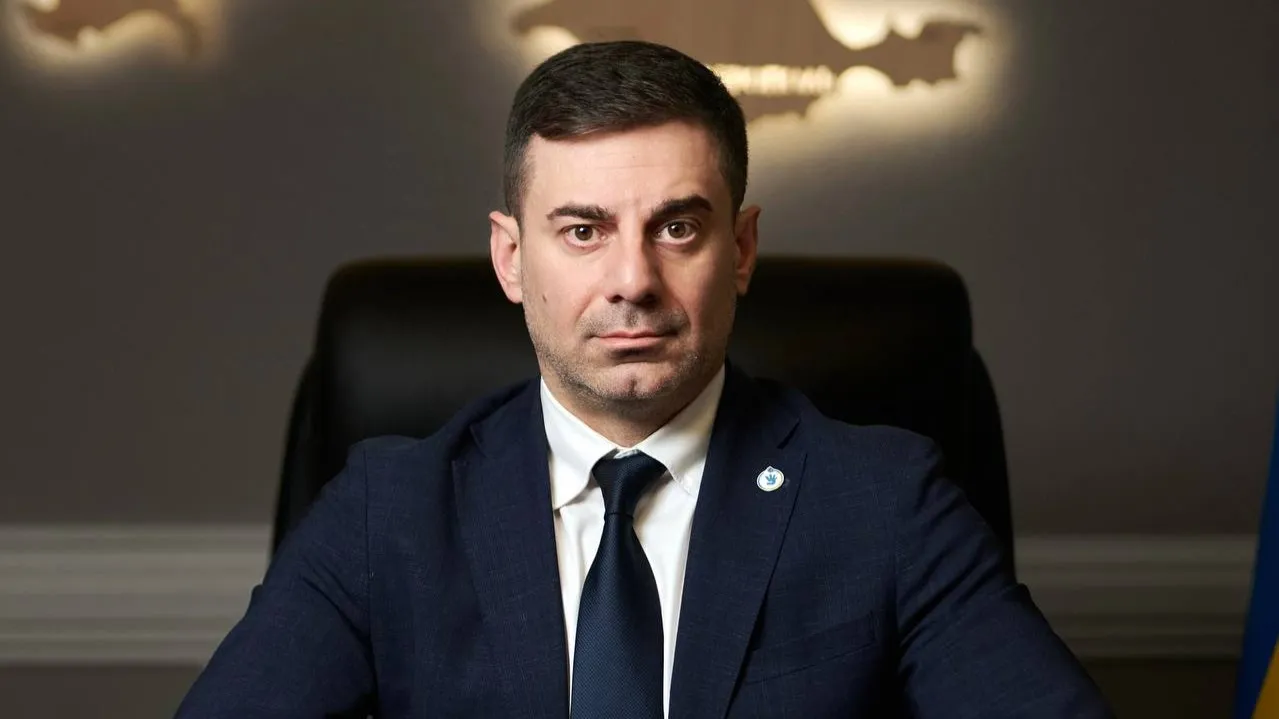
Dmytro Lubinets, the Verkhovna Rada Commissioner for Human Rights, has raised critical concerns regarding the organization and administration of the National Multidisciplinary Test (NMT).
According to the official, the current format of the exam does not provide fair conditions for applicants, turning into an exhausting ordeal.
The Ombudsman emphasized that the Ministry of Education and Science of Ukraine must immediately address systemic shortcomings that threaten the future of thousands of graduates.
The human rights defender’s main concern is the excessive intellectual and emotional strain placed on teenagers during the exam.
The format, which involves testing knowledge across four subjects simultaneously, demands too much from graduates. As a result, the testing reflects not so much the students’ actual level of preparation as their ability to withstand stress.
“An exam with no guarantees: The NMT as a test of mental endurance. From May 20 to June 25, Ukraine is holding the main sessions of the NMT—a test on which thousands of graduates’ college admissions and, in fact, their future educational paths depend. Formally, it’s about knowledge. In reality, more and more often, it’s about endurance, nerves, and technical luck,” the report states.
Dmytro Lubinets identified the unsatisfactory technical aspects of administering the exam at testing centers as a separate and particularly acute set of problems.
The organizers were not prepared to quickly resolve force majeure situations involving computer equipment.
Due to software freezes and technical malfunctions, talented children are losing precious time and performing worse.
“A separate set of problems concerns the technical aspects of the exam. One of the participants, a medalist and prize winner of the All-Ukrainian Biology Olympiad, took the NMT amid technical glitches. She noted that the problems began from the very first minutes: a malfunctioning mouse, computer freezes, incorrect display of tasks, and wasted time. Despite her complaints, the problem was not resolved during the test. A simple question arises: how was the child supposed to take the exam at all under such conditions?” the official emphasized.
Due to technical glitches, the girl’s years of diligent preparation and her dream of entering medical school were put at risk.
The regional center for educational quality assessment refused to rectify the situation, forcing her to request admission to a makeup exam session.
The Ombudsman is convinced that the lack of a clear mechanism for retaking the exam in such cases completely undermines the fairness of the assessment.
“This issue requires a direct response from the Ministry of Education,” he emphasized.
Additionally, experienced educators who decided to take the test themselves have raised concerns about the test’s content. They point to logical flaws in the structure of the exam questions and non-compliance with approved standards.
“Equally telling is the story of a history teacher with 18 years of experience who took the NMT for the first time and scored 183 points. She noted the uneven distribution of tasks and questions that go beyond the school curriculum,” Lubinets noted.
The Human Rights Commissioner expressed his categorical disagreement with the minister’s advice that applicants who cannot cope with stress should choose vocational education.
According to the ombudsman, the reform should be aimed at improving conditions for children, not at artificially simplifying tasks for the ministry.
Dmytro Lubinets reported this on Telegram.
Up to 20% of graduates fail the National Multidisciplinary Test (NMT) each year — Ministry of Education
The Rada proposes keeping three subjects for the NMT instead of four


