
The Verbytsky Case Has Hit a Dead End: Why NABU Has Not Issued a Charge, and Why the Pechersky Court Is Forcing the NACP to Remain Silent
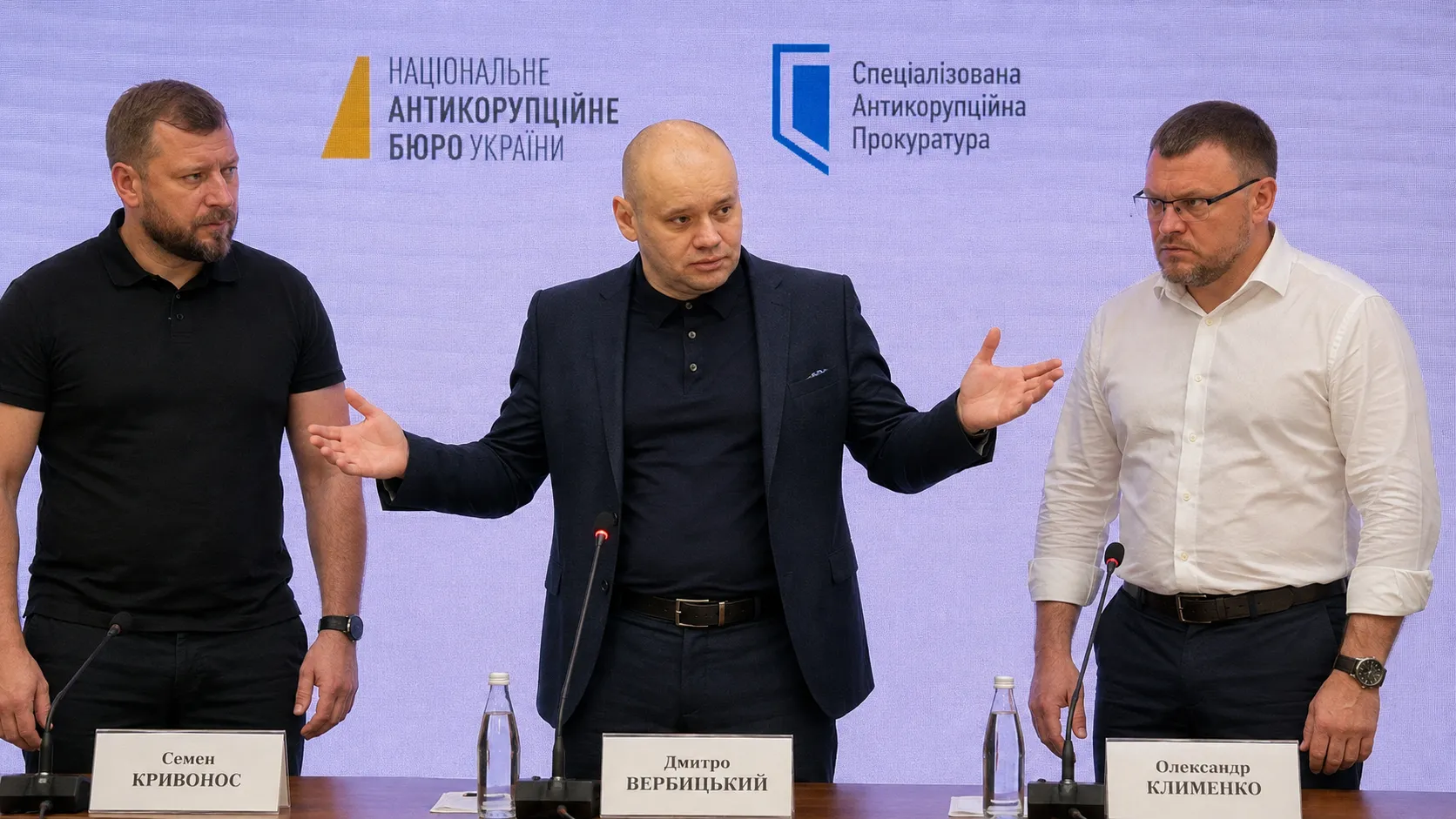
The case involving the unjust enrichment of former Deputy Prosecutor General Dmytro Verbytskyi recently took an unexpected turn. The criminal case regarding the former official’s millions in assets and real estate has been stalled for three years at the “evidence-gathering stage,” and now the Pechersk District Court of Kyiv has ordered the National Agency for Corruption Prevention (NAZK) to remove information from its website regarding Verbytskyi’s 29 million hryvnias in unexplained assets and to publish a retraction.
The decision was handed down by Judge Yevhen Khainatsky, based on the fact that no verdict has been issued against Verbytskyi, and the Agency’s wording was “too categorical” (as confirmed by a linguistic analysis provided by the defense). The NACP may still file an appeal, but the ruling comes as quite a surprise, given that law enforcement agencies are still “gathering evidence,” albeit for quite some time now.
NABU Director Kryvonos confirmed this to a UA.News journalist during a briefing in early August: “The investigation is in the evidence-gathering stage.”
According to NABU Director Semen Kryvonos, a number of expert analyses have been ordered in the case, requests for international legal assistance have been sent, and the investigation is ongoing. He also emphasized that a criminal proceeding does not necessarily end with the issuance of a notice of suspicion—it may be closed if there is insufficient evidence for further prosecution.
Formally, such a response does not contradict criminal procedural law. But in the Verbytsky case, there is a circumstance that makes the two-year wait for a formal notice of suspicion a matter of public interest: the proceedings were not initiated following a little-known statement or an anonymous tip, but following extensive journalistic investigations that contained specific details about the property and how it was acquired.
How It All Began
In May–June 2024, when “Schemes” (“Radio Liberty”) published an investigation into a townhouse in the “Konik” residential complex for half a million dollars (purchased by a nephew for one-sixth of the market price), the purchase of a Porsche, a beauty salon, and property belonging to Khrystyna Ilnytska’s mistress worth 48 million hryvnias, everything was going smoothly for law enforcement.
Before these materials were made public, NABU detectives had a very clear picture of the facts: for example, that Ms. Ilnytska could not have afforded to buy the townhouse even for a nominal 2 million hryvnias, since her official income over 10 years totaled only 360,000 hryvnias.
Subsequently, the National Agency for Corruption Prevention (NAZK) joined the case; during its investigation, it initially identified unexplained assets totaling 29 million hryvnias (a Lexus, a Porsche, plots of land, cryptocurrency, and property in Turkey), and later added another 30.2 million UAH in illicit enrichment and 2.3 million UAH in false information from her 2023 declaration. All of these documents were officially transferred to the National Anti-Corruption Bureau of Ukraine (NABU).
And now we’re into the third year. The question begs to be asked: where has all that evidence gone—the evidence they started off with such enthusiasm in 2024—that now the investigators once again have to “gather evidence” and wait for international responses?
The Case Is on “Hold”: Friendship, Requests, and Waiting
Among investigative journalists, this sudden loss of interest in the Verbytsky case has given rise to several theories.
On the one hand, informed sources mention an interesting detail: Verbytsky’s closest friend is said to be the son of Boris Indychenko—the head of NABU’s top-secret D2 unit. So, was all possible “informational and procedural value” extracted from this case, after which it smoothly transitioned into a state of limbo?
On the other hand, lawyers are offering harsh commentary on the situation. As legal expert Stanislav Bronevitsky noted in an interview with UA.News:
“They’re burying this case! And I sincerely doubt that it will ever even make it to court—neither the indictment nor the trial. According to my information, there was a personal request from then-Prosecutor General Kostin on behalf of his deputy, Verbytsky, to Klymenko. And Klymenko heeds these—well, let’s call them—requests or instructions. In general, the request concerned two people: Verbytsky and Koval (the former head of the Rivne Regional State Administration and former head of the State Property Fund of Ukraine). As for Koval, there is a civil lawsuit in court that barely made it to the High Anti-Corruption Court after a hard fight, and there, strange things are happening with it again.”
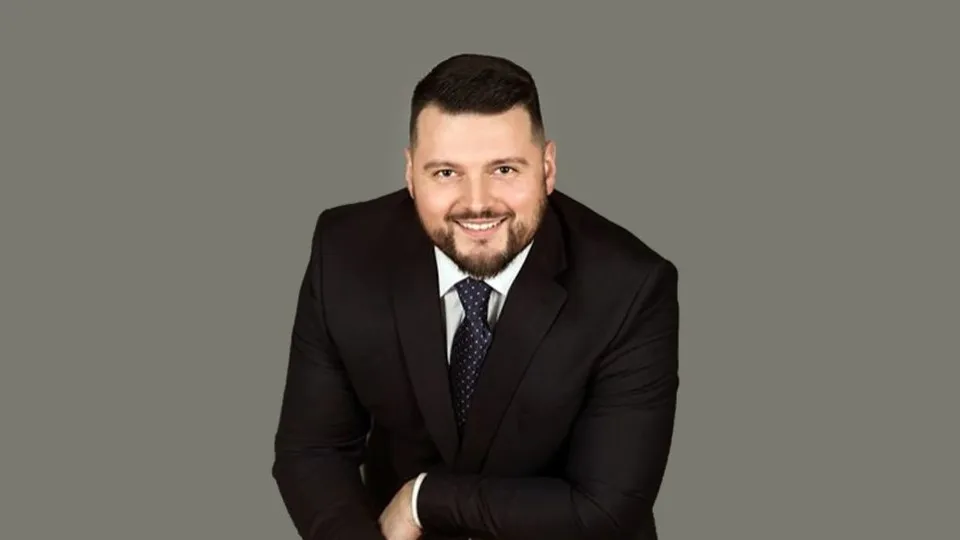
Lawyer and former prosecutor with the Specialized Anti-Corruption Prosecutor’s Office Stanislav Bronevitsky
Bronetsky adds that such cases undermine the very myth of the “perfection” of the newly created agencies:
“I’m often asked, ‘Why don’t you write about the State Bureau of Investigation (DBR) or the Security Service of Ukraine (SBU’)?’ Because these people have never called themselves angels or said, ‘We are an example of how independent, incorruptible law enforcement officers should work.’ It turns out that the exact opposite is true: those who call themselves completely independent turn out to be something entirely different.”
From the outside, it seems that NABU Director Semen Kryvonos and SAPO Head Oleksandr Klymenko are simply waiting for some major political changes—for example, a change in government. Presumably, that’s when the dust-covered Verbytsky case and hundreds of other investigations will be pulled from the shelves of that grandiose building on Denys Monastyrsky Street. For now, however, it’s far more interesting to stage flashy “anti-corruption performances” and lament the widespread corruption in the country.
Perhaps it’s time to apologize
And if you listen closely to the current rhetoric of anti-corruption activists, a rather comical picture emerges. It turns out that in the spring of 2024, Kryvonos and Klymenko, by leaking materials to the media, effectively slandered an “almost honest man” who, because of this scandal, was driven out of the Office of the Prosecutor General “with a toilet brush.”
It follows that the leadership of NABU should now: apologize to Verbytskyi for the details about his wealth published via “Radio Svoboda”; apologize on behalf of the National Agency for Corruption Prevention (NAZK), which dared to calculate his assets and report 29 million hryvnias in questionable income; initiate the reinstatement of Dmytro Anatoliyovych to the position of Deputy Prosecutor General with compensation for lost earnings for all months of “forced absence.”
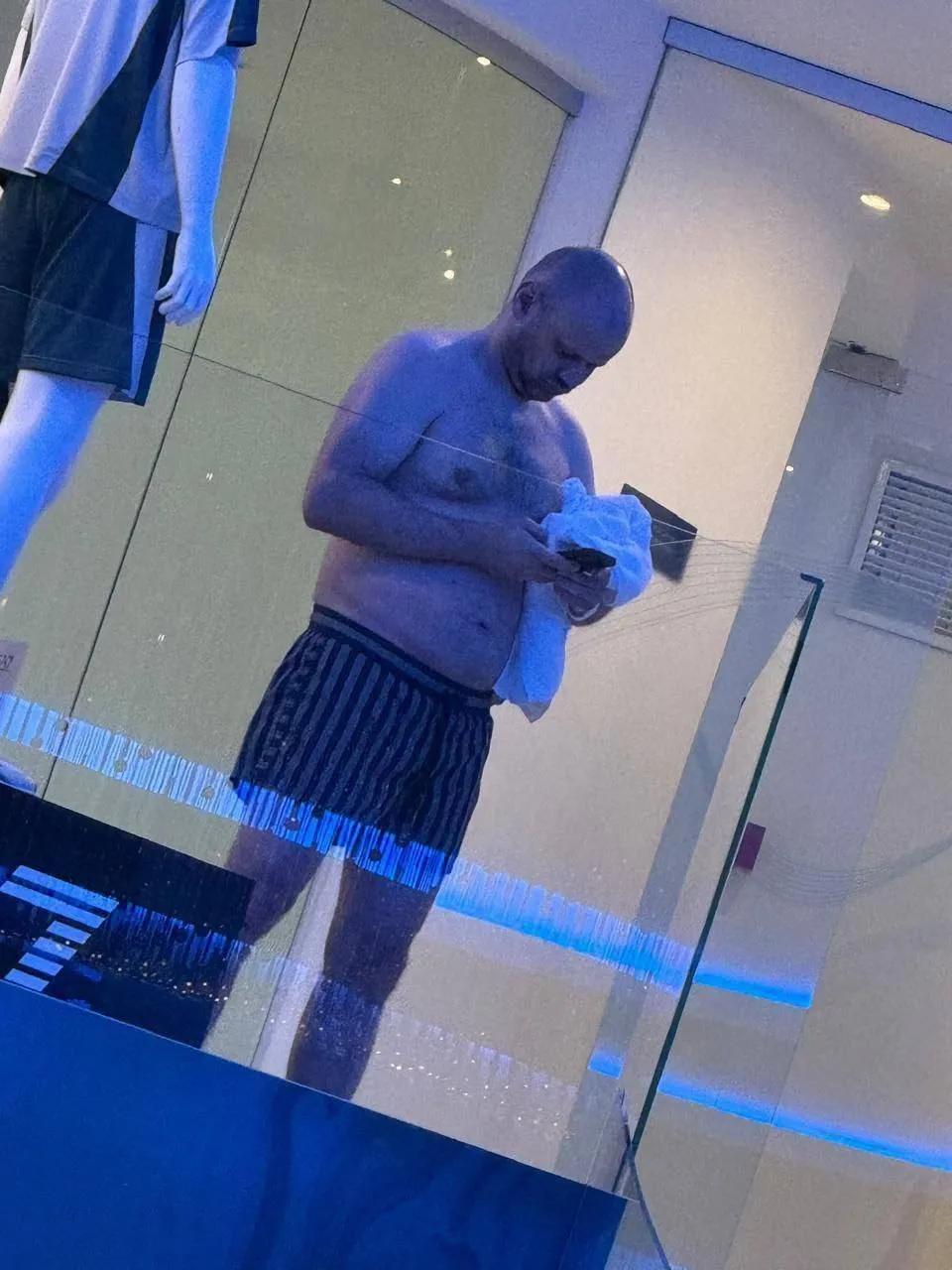
Former Deputy Prosecutor General Dmytro Verbytskyi
There appear to be grounds for this as well: as evidenced by the procedural actions (or, more precisely, the lack thereof), the key piece of physical evidence—that very cottage in the “Konik” residential complex—has not even been seized yet. This is despite the fact that as early as May 29, 2024 (after the case had already been opened), Verbytskyi’s girlfriend, Khrystyna Ilnytska, calmly gifted it to his mother, Lyubov Skrypnyk. And now Ms. Skrypnyk has the full legal right to resell or gift this property to a “bona fide purchaser,” from whom no anti-corruption agency will be able to seize it.
The Bottom Line
As of August 2026, we have a rather unusual situation. In May 2024, journalists published information about Verbytsky’s assets. Following this, NABU opened a criminal investigation. The NACP separately identified signs of unexplained assets and inaccurate information in the declaration. The investigation materials were handed over to detectives. But more than two years later, no charges have been filed.
NABU attributes this to the need for further evidence gathering, expert analyses, and international requests. At the same time, a court ordered the NACP to remove part of the information regarding the audit’s findings from its website.
Does this mean that the Verbytsky case has effectively reached a dead end? Not yet. Does this mean that journalists’ theories about possible interference in the investigation have been confirmed? Also not yet. But the sheer length of the investigation, the lack of a formal notice of suspicion, and the simultaneous legal battle over the public disclosure of the NACP’s findings provide sufficient grounds to ask NABU and the Specialized Anti-Corruption Prosecutor’s Office (SAPO) some very specific questions.
One of them is very simple: what exactly have they established in the Dmytro Verbytsky case over these past two years—and what exactly is preventing them from concluding this investigation? The public has a right to know what specific evidence they are still seeking and why it has taken more than two years to do so. And if there is insufficient evidence—then the next question arises: why has the criminal proceeding still not been concluded with a procedural decision?
Only the future course of this case will reveal whether this is simply a routine, protracted pretrial investigation, or whether Verbytsky’s case had a different motive from the outset and will take a completely different turn.


