
Zelenskyy spoke about a new phase of long-range strikes against Russia
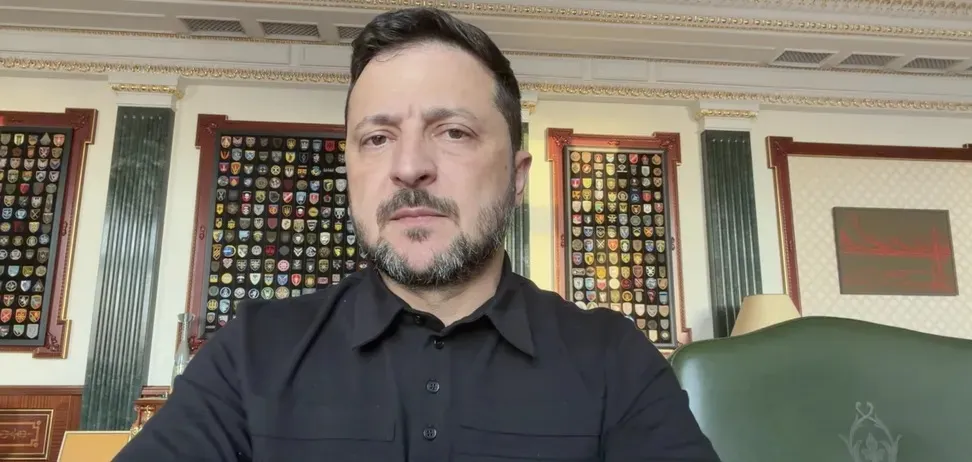
President Volodymyr Zelenskyy stated that Ukraine continues to carry out its plan for long-range strikes against Russia and has already achieved results in the southern sector. According to him, Ukrainian strikes on oil facilities, military logistics, and operations in the Black and Azov Seas are intended to limit Russia’s ability to wage war. At the same time, Kyiv is preparing new sanctions against the Russian military-industrial complex, financial intermediaries, and companies that help the Kremlin continue its aggression.
The president noted that the Ukrainian military continues to carry out long-range strikes against targets on Russian territory. He said these actions are a response to Russian attacks on Ukrainian cities and ports. Ukraine is striving not only to respond to Russian strikes but also to systematically weaken the capabilities of the Russian army. “We have succeeded in blocking Russia’s southern flank,” Zelenskyy stated.
The president emphasized that Ukraine is now expanding this operation. This involves comprehensive pressure on the Russian war machine—from strikes against the oil industry to disrupting military logistics. “Our sanctions against Russian oil refineries and other facilities in the Russian oil sector, our precision strikes against Russian military logistics, and our operation in the Black Sea and Azov Sea—all of this is working to limit Russia’s war potential,” the president said.
According to him, each subsequent level of pressure should push Russia toward the decision to end the war.
Ukraine is preparing new sanctions
Separately, Zelenskyy spoke about economic and legal pressure on Russia. Ukraine has already prepared a sanctions package against companies and vessels that, according to Ukrainian authorities, are helping to export grain and other goods stolen from the temporarily occupied territories.
At the same time, Kyiv is preparing new restrictions against the Russian military-industrial complex. Financial networks and intermediaries that help Russia obtain the resources necessary for the war are also set to be targeted by sanctions. Zelenskyy pointed out that a significant number of Russian companies working for the Russian defense industry are still not subject to international sanctions. “Unfortunately, a significant number of Russian companies working to support the war are still not subject to international sanctions, and this must be rectified in August and September,” the president said.
According to him, Ukrainian diplomats must work on this issue with partners and leaders of various countries. This applies not only to Russian companies. Ukraine wants to push for sanctions against individuals and foreign intermediaries who help Russia produce missiles and drones or otherwise support its war machine. “The direct task for Ukrainian diplomacy is to ensure that, in key jurisdictions around the world, those companies and individuals from Russia—those who are helping Russia—are subject to sanctions,” Zelenskyy said.
Separate discussions were held on Sloviansk and Kostiantynivka
During briefings by military leadership, the president also discussed the situation on the front lines. In particular, Zelenskyy spoke about the report from Commander-in-Chief of the Armed Forces of Ukraine Mykhailo Drapato. Based on its findings, the military identified specific steps to reinforce two key sectors—Sloviansk and Kostiantynivka.
“Based on the report by Commander-in-Chief Drapaty, steps and measures have been identified to reinforce the Sloviansk and Kostiantynivka sectors,” the head of state said. The President also thanked the Ukrainian military for holding back Russian assaults and preventing the occupiers from advancing. According to him, it is important to counter not only large-scale attacks but also attempts by Russian troops to infiltrate Ukrainian positions in small groups.
Ukraine Needs More Drones and Funding
Another important topic was the military’s need for weapons and technology. Zelenskyy discussed the Armed Forces of Ukraine’s needs for drones, new technologies, and funding with Ukraine’s Acting Minister of Defense, Yevhen Khmara.
The president acknowledged that the military’s needs remain significant. According to him, expenditures in the first half of the year were much higher than before, so Ukraine now needs to find additional funds. “The scale is significant: expenditures were much higher in the first half of the year, and this is now a new challenge—to secure the necessary funding. Additional funding,” Zelenskyy said.
He added that Ukraine plans to discuss this issue with its international partners. Separately, the president expects the government and parliament to work together to provide the military with the necessary funds.
Zelenskyy Wants an Even More Technologically Advanced Army
The president emphasized that the technological capabilities of the Ukrainian military must continue to grow. This primarily refers to drones, modern weapons systems, and other technologies that allow Ukrainian troops to engage Russian forces from a distance and reduce risks to personnel. “The technological capabilities of our military and our defense operations must continue to grow. And that is the only way,” Zelenskyy stated.
He also noted that Ukraine began moving toward a more technologically advanced model of warfare last year. According to the president, the decisions made in the fall covered several areas at once—policy, funding, and the development of military technologies. Zelenskyy believes that it was precisely these decisions that allowed Ukraine to transition to a more technologically advanced defense during the winter and spring.
What the Long-Range Pressure Plan Means
Thus, the plan Zelenskyy referred to does not involve a single, isolated line of attack. Ukraine is combining long-range attacks on Russian military and oil infrastructure, pressure on military logistics, operations in the Black and Azov Seas, and international sanctions.
At the same time, Kyiv aims to intensify pressure on Russian companies, financial networks, and intermediaries that support the Russian military-industrial complex. On the front lines, the Ukrainian command is separately reinforcing the Sloviansk and Kostiantynivka sectors, while seeking additional funding and new technological solutions for the army. According to the Ukrainian government’s plan, all of this is intended to gradually reduce Russia’s resources for continuing the war and increase the cost of aggression for the Kremlin. Zelenskyy spoke about this in an evening address on August 14.
President Volodymyr Zelenskyy stated that, following a report from Commander-in-Chief of the Armed Forces of Ukraine Mykhailo Drapaty, steps were identified to reinforce the Sloviansk and Kostiantynivka sectors.




