
Three Weeks, 30 Kilometers — Infantryman “Ignat” on His Combat Experience
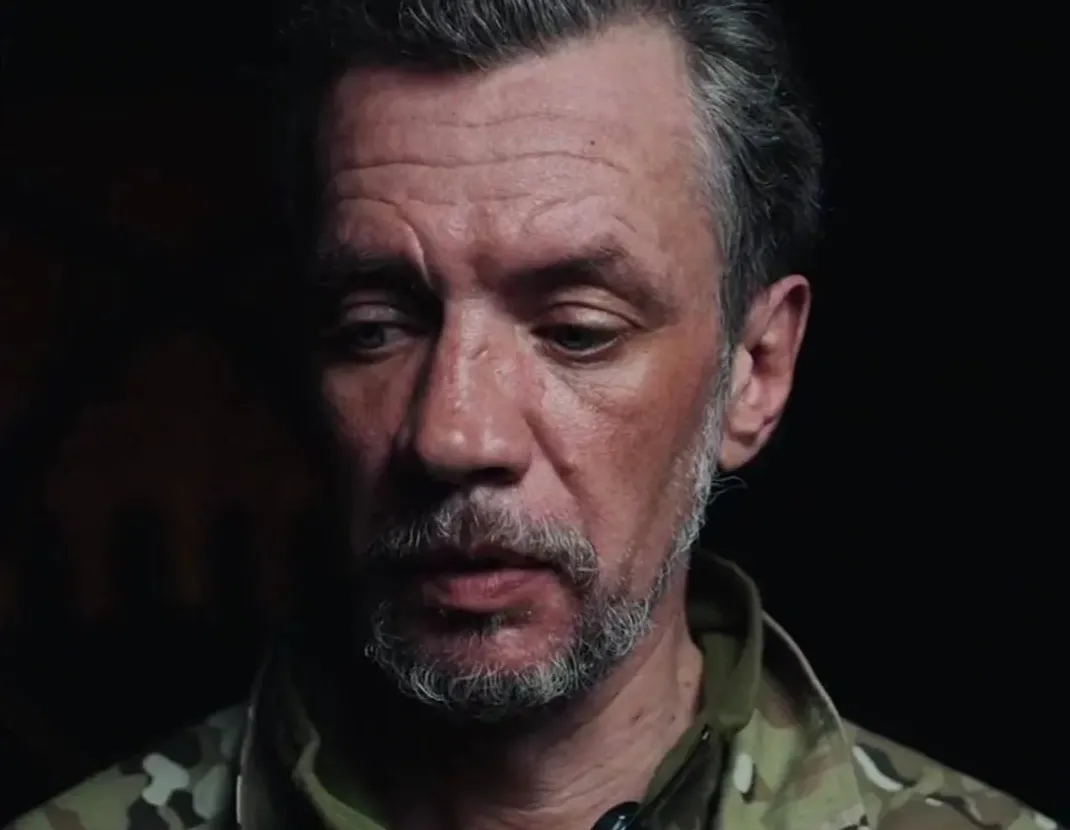
A soldier with the call sign “Ignat” worked in IT and was involved in process automation before the full-scale war began; he now serves in the 5th Assault Battalion of the 92nd Separate Assault Brigade. He described his first encounter with Russian troops, the difficult journey to the front lines, and how infantrymen set up shelters and receive the necessary equipment. According to the soldier, the hardest part of being in the infantry is not just the physical strain, but also the realization of what one has to do in war.
The soldier, whose call sign is “Ignat,” previously worked in the IT sector, where he specialized in process automation. He now serves in the 5th Assault Battalion of the 92nd Separate Assault Brigade named after Ataman Ivan Sirko. In the video, “Ignat” described how the Ukrainian troops advanced, what he remembers most from his first battle, and why he considers infantry service the hardest job of his life.
Seven Stops on the Way to the Positions
According to the soldier, the troops passed through several intermediate checkpoints during their advance. There were about seven in total, and the soldiers would linger at each one for a while. Until the very last one, they didn’t know if the next checkpoint would be the final one. They had to remain constantly alert along the way. The soldiers listened for sounds in the sky and watched their step, as the area could be mined. They paid special attention to camouflage so as not to attract the enemy’s attention.
At their positions, they had to set up shelters and protect themselves from possible attacks. They didn’t carry any unnecessary items with them; instead, they received essential equipment and supplies via drones. “We dug in; we had to build a roof. We didn’t bring much with us. They drop everything we need via drones,” “Ignat” explained. This approach required endurance and constant focus. Even when the fighters stopped at a new location, they couldn’t be sure they’d stay there for long.
First Encounter with the Enemy
“Ignat” remembered his first encounter with Russian troops by the sound of the Russian language. After that, the Ukrainian fighters received an order and opened fire.
According to the soldier, the realization of what had happened doesn’t necessarily come at the very moment of battle. Thoughts about the experience may surface later, once the danger has passed and there is time to reflect on the events. “Ignat” also described how long it took to reach their positions and return. It took the soldiers three weeks to cover a distance of approximately 30 kilometers. The return trip, however, took only three days.
These figures illustrate just how difficult infantry movement can be under combat conditions. Speed is affected by danger, landmines, the need to remain concealed, and the need to carry out tasks at every waypoint.
“Infantry is the hardest thing I’ve ever done in my life”
“Ignat” admitted that serving in the infantry has been the hardest job of his life. It’s not just about the physical strain, long periods at their positions, or the constant threat of shelling. The psychological aspect of combat experience, which soldiers have to live with after completing their missions, is also difficult. “For me, the infantry is probably the hardest thing I’ve ever done in my life. It’s hard work. Killing a person isn’t like smoking a cigarette. You have to live with that,” the soldier said.
With these words, the soldier highlighted that war leaves more than just physical scars. Participating in combat involves difficult decisions and emotional turmoil that can resurface even after a specific mission is complete.
“Ignat’s” story was released by the 92nd Separate Assault Brigade. In his account, he shared his own experiences in service—from difficult advances to his first encounter with the enemy and the realization of just how difficult a soldier’s job is. The brigade published the soldier’s story and his experiences in service on its Telegram channel.
A mobile fire group from the Lviv Anti-Aircraft Missile Brigade named after Ivan Vyhovsky destroyed a “Geran-4” jet-powered strike drone that was flying toward a covered target.
Anti-aircraft gunners from the 1039th Anti-Aircraft Missile Regiment named after General-Horunzhy Mykola Kapustiansky released a video showing the French Crotale air defense system in action.




