
29% of students in Israel consider leaving after graduation — Jerusalem Post
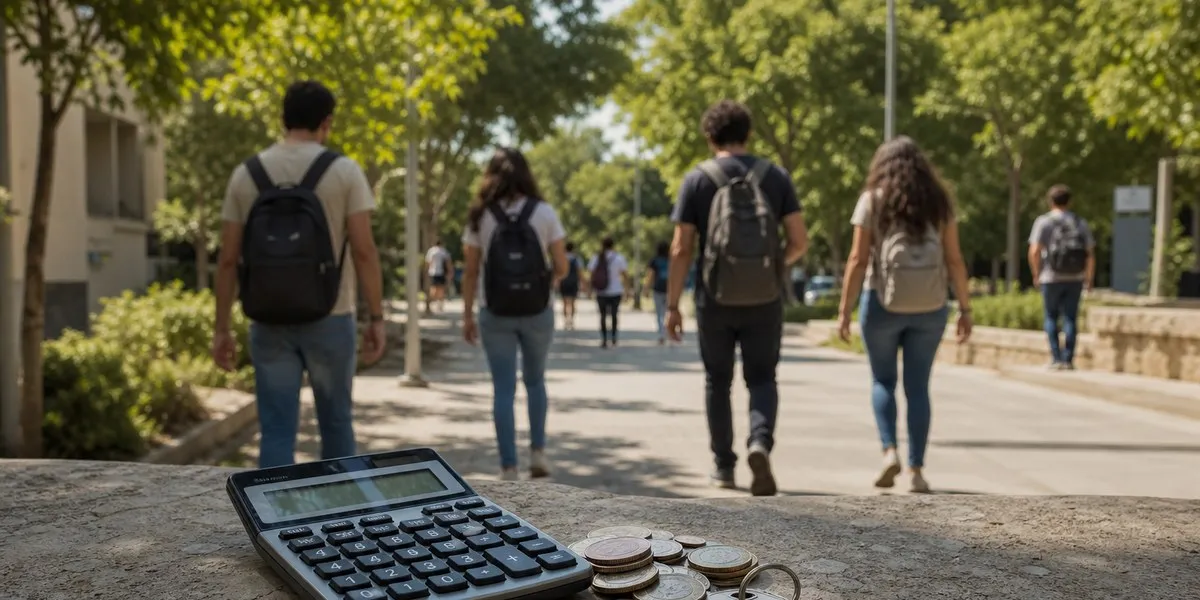
In Israel, 29% of students are considering moving to another country after completing their studies. This was the result of a survey by the National Union of Israeli Students conducted ahead of the start of the new academic year. As The Jerusalem Post reports, in the previous survey, 26% of respondents said they might leave, while another 56% do not plan to leave the country and 15% were undecided.
Among those considering emigration, 79% named the high cost of living as one of the main reasons. Another 46% pointed to the security situation, while 20% each cited employment prospects and the political-diplomatic crisis.
Expenses and parental support
The average monthly expenses of a student in Israel amount to 6,907 new Israeli shekels, 28 shekels more than a year earlier. The largest expense category is housing and household maintenance, averaging 3,155 shekels per month. Students spend 1,463 shekels on food, 751 on entertainment, and 724 on transport.
During their studies, 81% of surveyed students work. On average, they work 97 hours per month and earn about 6,235 shekels before taxes, but only 49% work in fields related to their academic programs. Financial support from parents is received by 49% of respondents, with an average amount of 2,252 shekels per month.
One in five students took out a loan while studying. Among borrowers, 61% received loans exceeding 20,000 shekels, while the average loan amount reached 49,849 shekels. Regular savings are not possible for 67% of survey participants, while 38% believe they will never be able to purchase housing.
More current news is available on the UA.News Telegram channel Telegram.
Dropping out and difficulties for reservists
Over the past year, 33% of students considered discontinuing their studies. Among them, 50% named financial difficulties as one of the main reasons, 41% cited the difficulty of the academic workload, and 22% cited mental health problems.
Twenty-seven percent of respondents reported being called up for reserve service during the academic year. Of those who served in the reserves, 64% said returning to their studies was emotionally and socially difficult. Nearly half, 47%, felt detachment, alienation, or a lack of understanding from students who had not served. Only 43% of reservists believe that academic accommodations, including extended deadlines for submitting assignments and special examination dates, substantially helped them make up for missed work.
Distrust in the government and the labor market
The survey also showed a decline in students' trust in the government: 63% believe that the current government does not care at all or cares only to a small extent about their interests. The share of those who rate Israel's future highly or very highly fell from 37% to 31%.
More than 40% of students are seriously concerned about finding a job after earning their degree. At the same time, 38% believe that their higher education institutions do not adequately prepare them for the era of artificial intelligence and technological changes in the labor market. The survey covered about 12,000 students and was conducted for the 17th consecutive year.




