
30% of Israeli voters undecided ahead of Knesset elections — Jerusalem Post
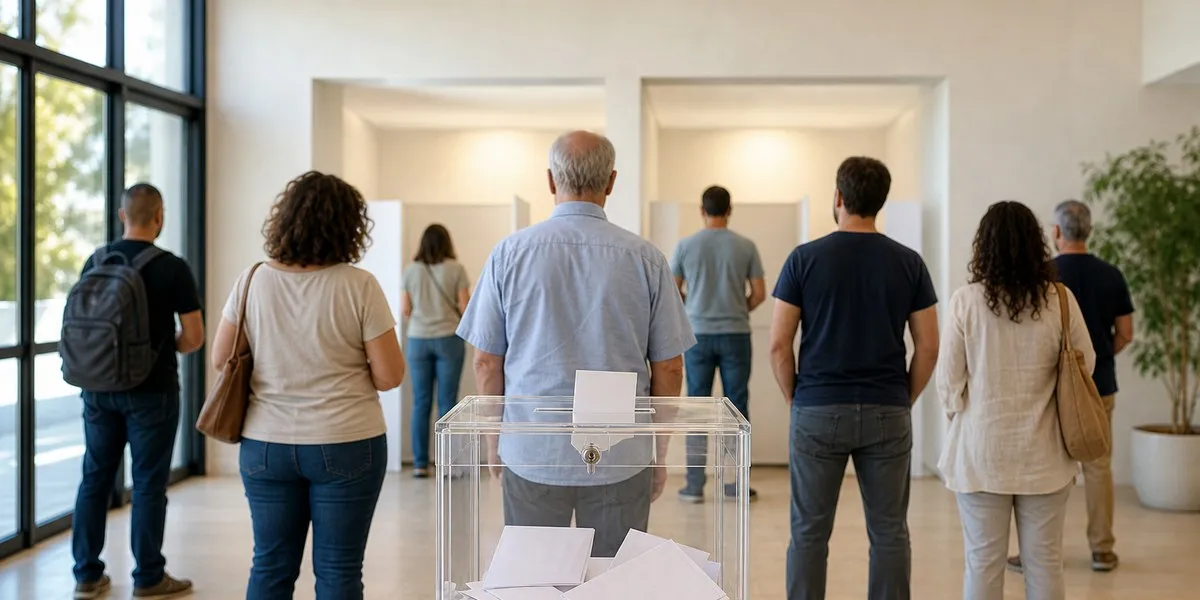
About 30% of Israeli voters have not yet decided whom they will vote for in the Knesset elections on October 27. As the Jerusalem Post reports, these were the results of a KAN news service poll released on Sunday. At the same time, 39% of respondents said that nothing would change their decision before election day.
Voter priorities
The most important issues for survey participants were the economy, named as the main issue by 34% of respondents, and national security, chosen by 32%. Among coalition-oriented voters, 45% put security first, while economic issues were a priority for 19% of this group.
Among opposition-oriented voters, 41% named the economy and the cost of living as the main issue, while 28% chose security. About 20% of respondents said that changes in the security situation or the cost of living could influence their choice.
More current news is available on the UA.News Telegram channel Telegram.
Seat distribution forecast
According to KAN's forecast, Gadi Eisenkot's bloc could win 52 seats in the Knesset, while the current coalition bloc could secure 51. Eisenkot's Yashar party is projected to win 23 mandates, while Likud is projected to receive 21. Yair Golan's Democrats could win nine seats, former Prime Minister Naftali Bennett's B'Yachad party 12, and Yoaz Hendel and Yaron Zelekha's Reservists and Economy party four.
According to the poll, the Religious Zionism–Zehut alliance could win seven seats, Otzma Yehudit and Shas eight each, and United Torah Judaism seven. The Arab Joint List and Yisrael Beiteinu could receive eight mandates each, while Ra'am could get five. The Blue and White, Haredi Public, and People of Israel parties do not pass the electoral threshold.
If neither of the two main blocs wins a majority, 33% of respondents would support a national unity government involving representatives of both sides. More than a quarter of respondents would prefer holding new elections, while 20% would support a minority government.




