
Chile plans to expel foreign prisoners — The Rio Times
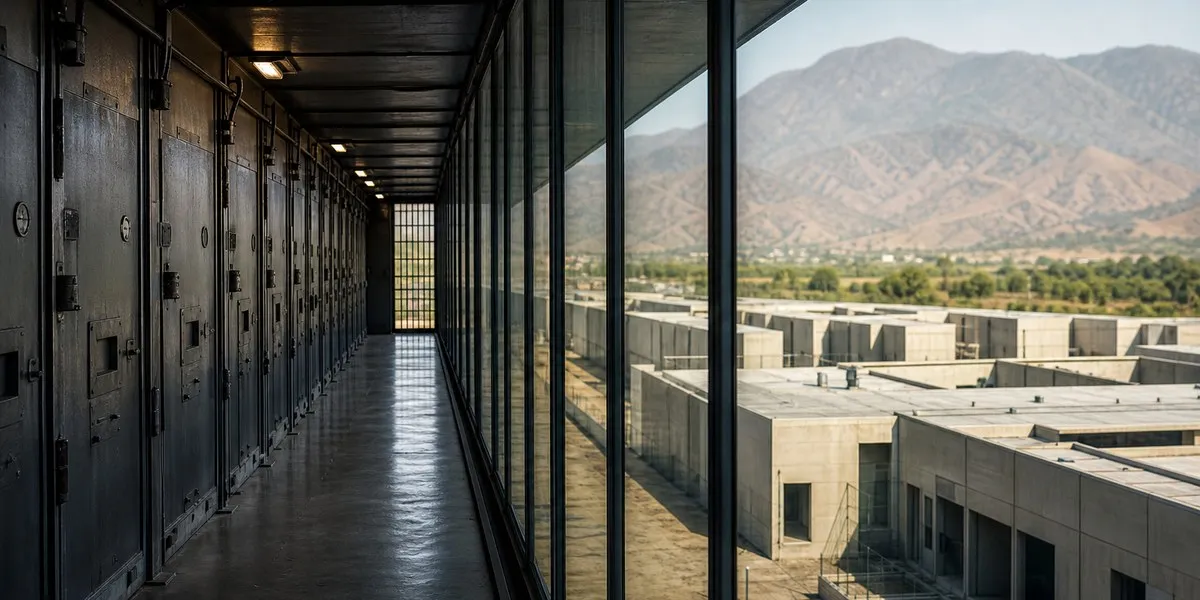
In Chile, the government plans to free up space in overcrowded prisons by expelling from the country some foreign inmates who are nearing the end of their sentences. On October 18, Security Minister Martín Arrau also announced plans to build at least one modular prison, The Rio Times reports.
According to Arrau, Chilean penitentiary facilities hold about 66,000 people despite a designed capacity of 40,000. Thus, the shortage of places is approximately 26,000.
Expulsion bill
The minister stated that a bill being considered by Congress should make it possible to replace the remainder of a sentence with the expulsion of a foreign national from Chile. He named Bolivian citizens sentenced to short terms for drug trafficking and close to release as the first candidates for this mechanism.
More current news is available on the UA.News Telegram channel Telegram.
Arrau did not identify the bill referred to in his statement, so its number and current stage of consideration have not been confirmed. In 2022, the previous government had already introduced a bill to restore judicial expulsion of foreigners sentenced for drug crimes to terms of no more than five years and one day. The document provided for a 10-year ban on re-entering the country.
Modular prison instead of a mega-complex
The Ministry of Security is considering rapid modular construction because the traditional concession system, according to the publication, envisages creating 20,000 places over the next decade and requires significant expenditure. The specifications, location, and cost of the new facilities are to be announced after January 1.
Arrau assured that the new prisons would not resemble El Salvador's CECOT mega-complex. The new places are primarily planned for inmates with good behavior and a low level of involvement in criminal activity, in order to separate them from dangerous criminals and organized crime representatives. Chile's Gendarmería prison service estimates the number of such inmates at approximately 15,000 people.




