
Ancient fossils link excess CO₂ to deforestation
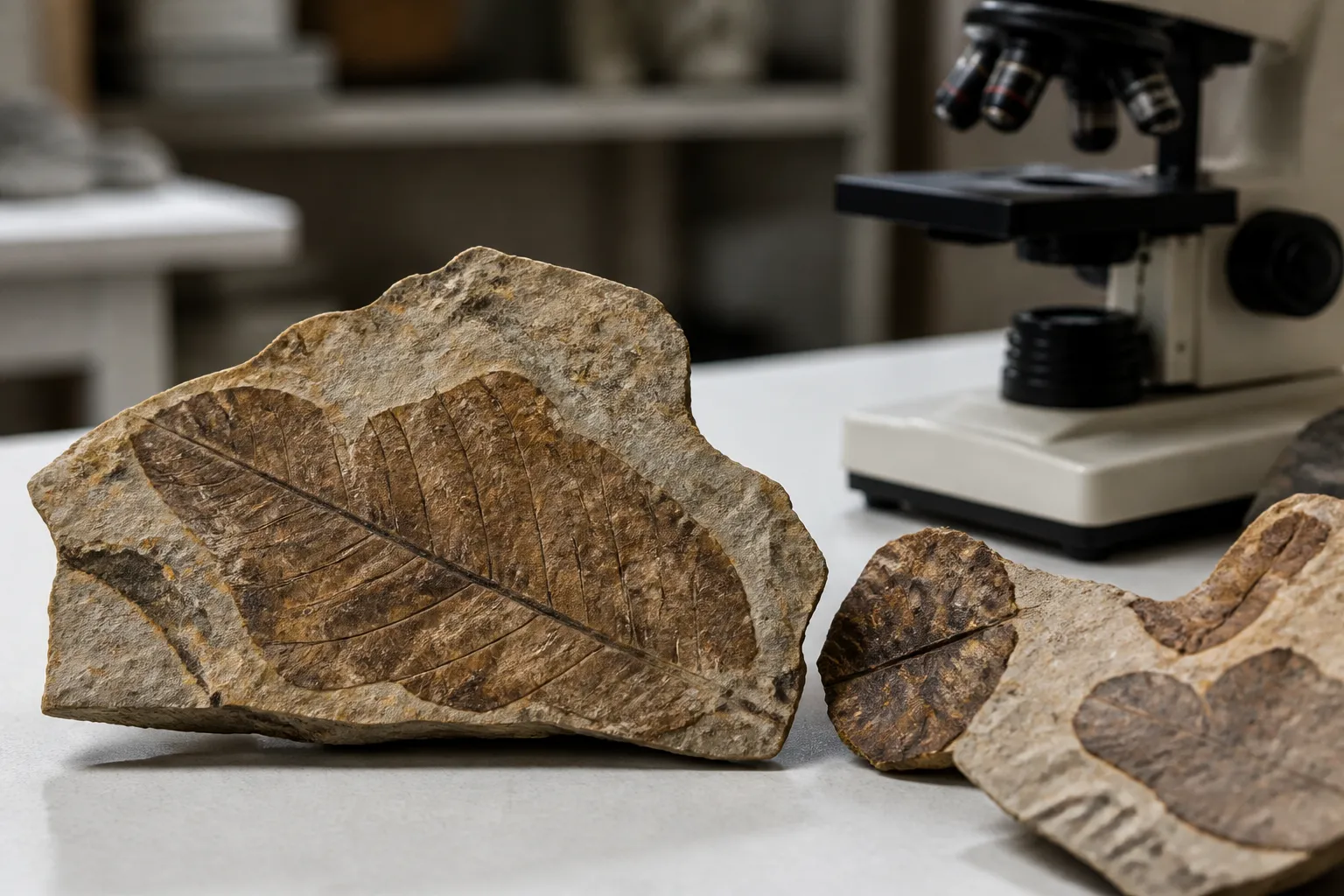
A study of fossilized leaf fragments dating back about 56 million years has shown that rapid increases in atmospheric carbon dioxide levels in the past were accompanied by the retreat and degradation of forests, rather than their sustained expansion. This was reported by The Guardian, citing a scientific paper published in the journal Science.
Scientists analyzed leaf cells from the Paleocene-Eocene Thermal Maximum (PETM). During that time, large amounts of carbon were released over approximately 130,000 years, and the planet’s temperature may have risen by 8°C. This period is the closest ancient analogue to a large-scale release of greenhouse gases, although modern fossil fuel combustion occurs much more rapidly.
The researchers reconstructed changes in forest canopy density based on the structure of the cuticles of fossilized leaves. According to their findings, as CO₂ concentrations rose, the forests initially became denser, but the canopy subsequently thinned sharply. Study lead author Reagan Dunn of the La Brea Tar Pits and the Los Angeles County Museum of Natural History said that approximately 60% of the biomass of the existing vegetation was lost.
For more breaking news, follow the UA.News Telegram channel.
The authors of the study note that trees need not only carbon dioxide to grow, but also water, sunlight, and nutrients. Excess CO₂ traps heat in the atmosphere, causing trees to suffer from extreme temperatures and nutrient deficiencies. Higher temperatures can also contribute to the spread of pests and diseases, and dried-out vegetation becomes more vulnerable to large wildfires.
The study notes that since around 2000, the negative impact of droughts and heat stress on forests has begun to outweigh the potential positive effect of additional CO₂. Since then, according to the study, evidence has been mounting of increased tree mortality, particularly in the tropics due to dehydration.
Trevor Keenan, a researcher at the University of California, Berkeley, who was not involved in the study, called the work a significant step forward. According to him, past carbon releases occurred over millennia, whereas current changes are taking place over decades, leaving ecosystems less time to adapt. In addition to warming, modern forests are also facing deforestation, fragmentation, conversion of land to agricultural use, and changes in fire patterns.




