
Children of migrants in Japan face difficulties integrating
Children from immigrant families in Japan may struggle to find their place in their new environment even before they have mastered the Japanese language. Kei Ann A. Ramos, an educator and researcher from Kyoto who works with children from immigrant families, wrote about this in a commentary for The Japan Times.
According to her observations, adults in discussions about migration tend to focus on labor shortages, demographic decline, paperwork, employment, and long-term security. At the same time, children do not make decisions about moving and do not participate in political debates, yet they face the consequences of these decisions every day at school.
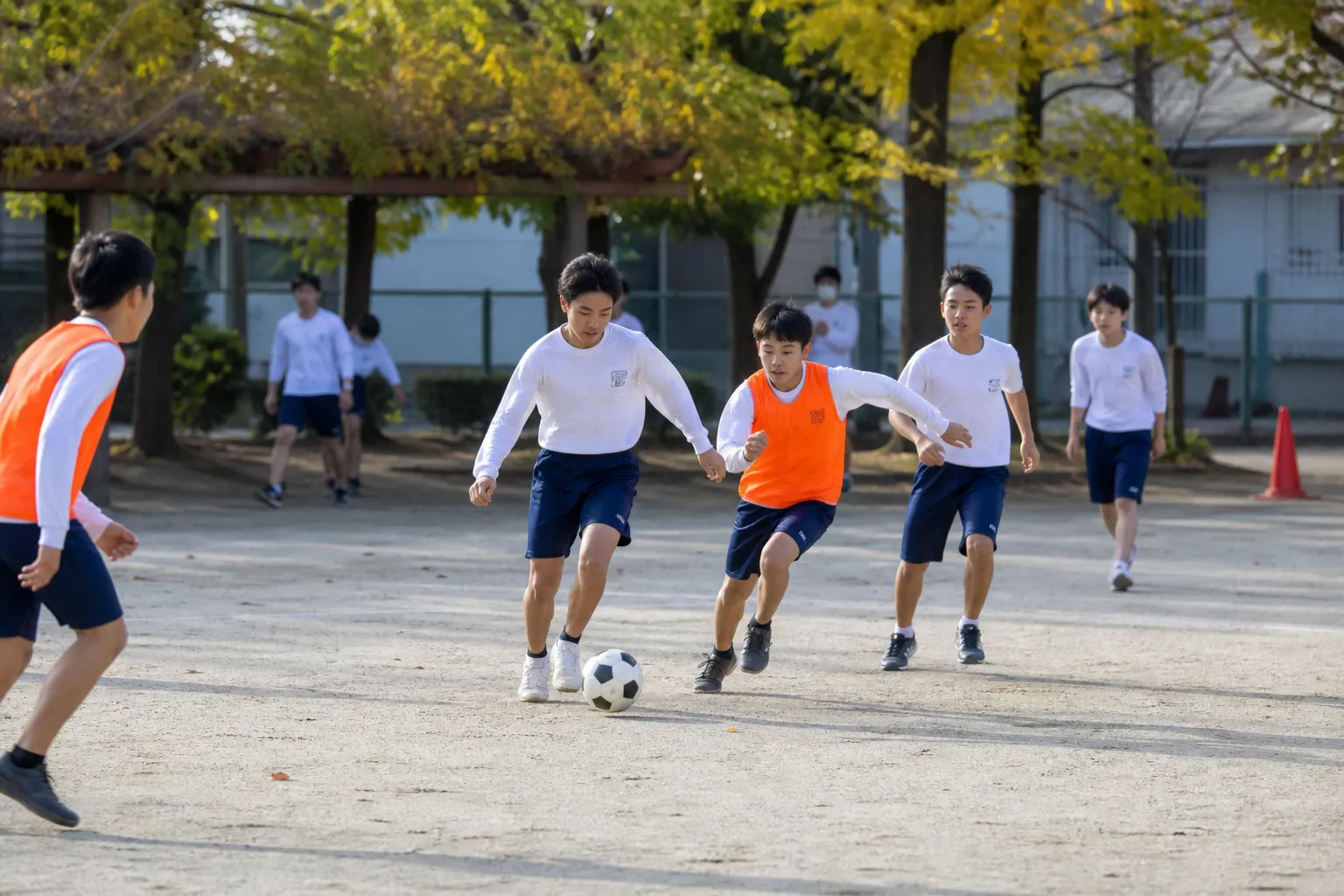
Ramos notes that for children, integration often begins not with fluency in the language, but with participation in the daily life of the classroom. This includes being invited to play, walking to school together, sitting next to someone at lunch, or getting help from a classmate with homework. Children also gradually learn the unwritten rules: when to bow, raise their hand, remain silent, and how to build friendships in an unfamiliar cultural environment.
Read more current news on the UA.News Telegram channel.
At the same time, some of the children the author worked with spoke of being excluded from group activities, being ignored, being insulted, and situations where classmates would walk away as soon as a child tried to speak. Some were unsure whether they should ask a teacher for help. One of the children replied that it was “forbidden,” although, as Ramos clarifies, the teacher had not explicitly forbidden him from asking for support.
According to the author, such responses may indicate a fear of drawing attention to oneself and a lack of confidence that the child will be heard. She emphasizes that support from friends—whether it’s explaining instructions, sharing a worksheet, or inviting someone to play—helps children feel like part of the community.
Ramos believes that in Japanese debates on migration, belonging is often presented as something migrants must earn through adaptation and contribution to society. Children, on the other hand, she says, already go through this process every day through learning, friendship, and interaction with their peers.




