
DW: Land routes will not replace Iran's sea trade
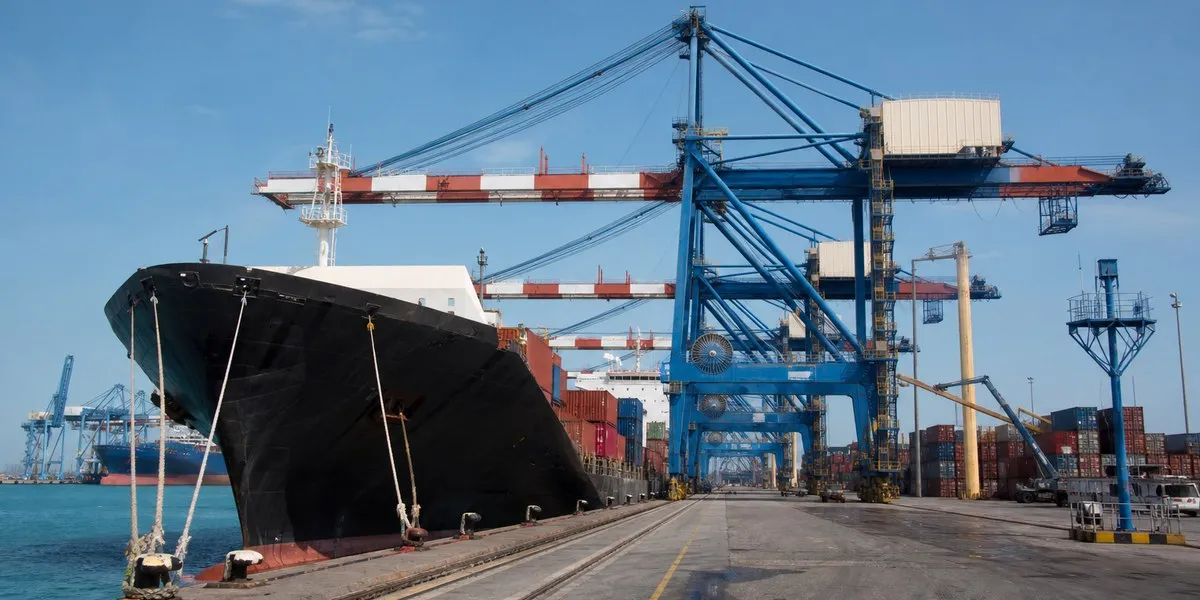
Iran is trying to reroute part of its imports and exports from southern seaports to northern ports, railways and land corridors amid a US-led maritime blockade. As Deutsche Welle English reports, Economy Minister Ali Madanizadeh said during a visit to Moscow that it was necessary to activate the country's northern borders and shift a significant share of foreign trade there.
Iran has seven land neighbors, access to the Caspian Sea, and routes to Russia, Central Asia, Turkey, Iraq, Pakistan and the Caucasus. At the end of 2025, Iranian authorities estimated the nominal annual capacity of northern ports at more than 30 million tonnes, with less than one-third of that volume being used.
Untapped potential of northern routes
Through the Caspian Sea, Iran can increase shipments of grain, food and general cargo. The rail route through Turkey partly depends on train ferries across Lake Van: in 2024, they carried about 477,000 tonnes of cargo. The Sarakhs and Incheh Borun crossings connect Iran through Turkmenistan with Central Asia, Russia and potentially China.
At the same time, the cargo terminal in Astara, which is part of the International North-South Transport Corridor, handled about 345,000 tonnes in the first five months of 2026, compared with a design capacity of 3.5–4 million tonnes per year. The unfinished Rasht-Astara railway remains a bottleneck.
More current news is available on the UA.News Telegram channel Telegram.
The high cost of replacing sea transport
Jafar Ghaderi, a member of Iran's parliamentary economic commission, said that 83% of what he described as 210 million tonnes of imports had previously passed through the southern maritime borders. Majid Reza Hariri, head of the Iran-China Chamber of Commerce, estimated the cost of delivering a container from China through southern ports at about $3,000, compared with $12,000 by land.
According to Hariri's estimate, rerouting about 2 million containers that arrive annually through the south could increase Iran's trade costs by about $18 billion. Transporting the cargo of a ship with a capacity of 50,000 tonnes would require an estimated 2,000 trucks, each with a payload capacity of 25 tonnes.
Oil exports are the hardest to replace
Energy strategist Omid Shokri noted that alternative routes through Pakistan, Iraq, Turkey, the Caspian region, Jask and Chabahar cannot fully replace southern energy exports. A large oil tanker carries approximately 1.5–2 million barrels of oil, while transporting such a volume by road would require thousands of tanker trucks.
The Goreh-Jask pipeline, built to transport oil to the Gulf of Oman while bypassing the Strait of Hormuz, strengthens infrastructure resilience, but its actual available capacity remains significantly below the initial plans. Analysts interviewed by the outlet believe land corridors are a way to sustain supplies of food, medicines and industrial raw materials, but not a full replacement for sea trade and large oil deliveries to Asian buyers.




