
Exports of products from Britain to the EU fell by a third — The Guardian
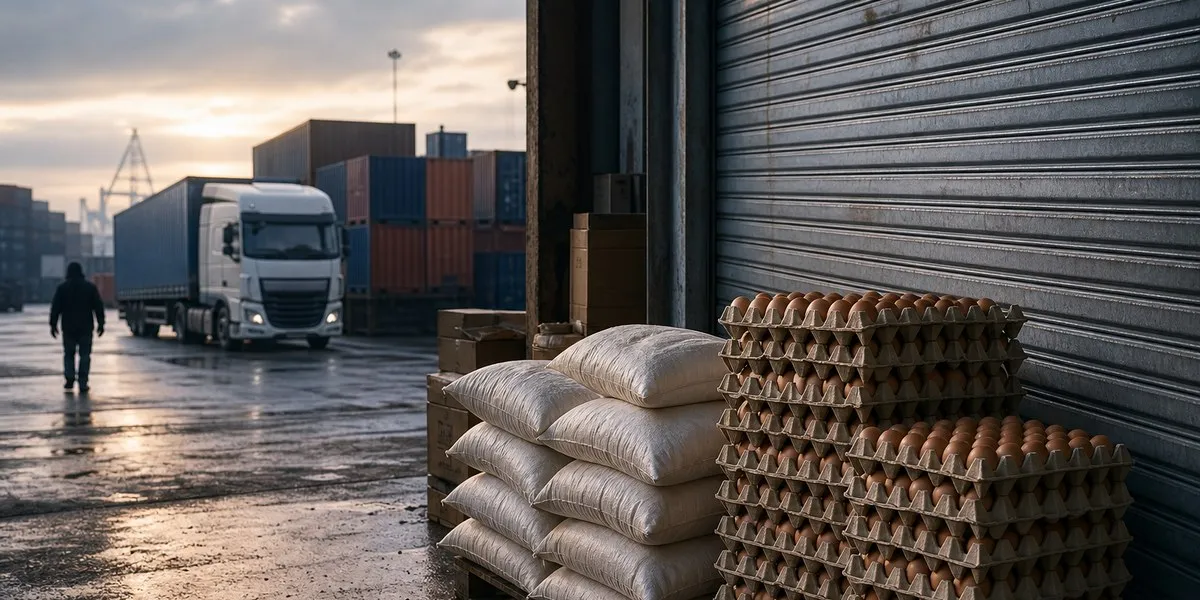
In the United Kingdom, exports of food and beverages to the European Union declined by more than a third compared with 2019. The sharpest drops were recorded in supplies of sugar, eggs, poultry and seed potatoes. The Guardian reports, citing an analysis by the UK’s National Farmers’ Union (NFU) based on HMRC customs data.
The biggest decline was in supplies of sugar and eggs
According to the NFU, during the year to July, sugar exports to the EU decreased by 70% compared with the same period in 2019. In the first seven months of the year, poultry supplies fell by 53%, while exports of eggs and egg products for the confectionery and bakery industries dropped by 65%.
Full-year data for 2019–2025 show that exports of eggs and egg products declined by 74%. NFU President Tom Bradshaw said that the EU remains Britain’s largest trading partner in the agri-food sector: last year, it accounted for 68% of such exports. At the same time, trade volumes have fallen by more than a third since 2019, he said.
Additional procedures after Brexit
Following the UK’s withdrawal from the EU, food exporters must complete customs documents with separate codes for each type of product. In particular, different requirements apply to fresh, dried, steam-treated and peeled egg products, as well as products with added water or sugar. Eggs and paper pulp for packaging require certificates of health status and freedom from disease.
More current news is available on the UA.News Telegram channel Telegram.
The horticultural sector has also suffered substantial losses: exports in this sector have declined by more than 50%. Seed potatoes from the UK, mostly from Scotland, were banned from being supplied to the EU after the parties failed to agree on the equivalence of standards in the 2020 trade agreement. Before Brexit, Scotland exported about 20,000 tonnes of seed potatoes to Europe annually, worth nearly £11 million.
Talks on easing checks
Andy Burnham told parliament that because of post-Brexit trade barriers, entire truckloads of plants or fresh produce can be destroyed over one missing stamp or a minor delay with documents. He also said that Scottish salmon undergoes documentary checks at the border in 100% of cases, which, in his estimate, costs the industry about £100 million in lost exports.
In May, the sides largely agreed on an arrangement to ease sanitary and phytosanitary checks, which is due to take effect next summer, although some details still need to be agreed. The NFU is calling for transitional mechanisms for British crops grown using fungicides or breeding technologies that have not yet been approved in the EU.




