
Qatar’s emir reports disruptions to a significant share of the country’s exports — Anadolu Agency
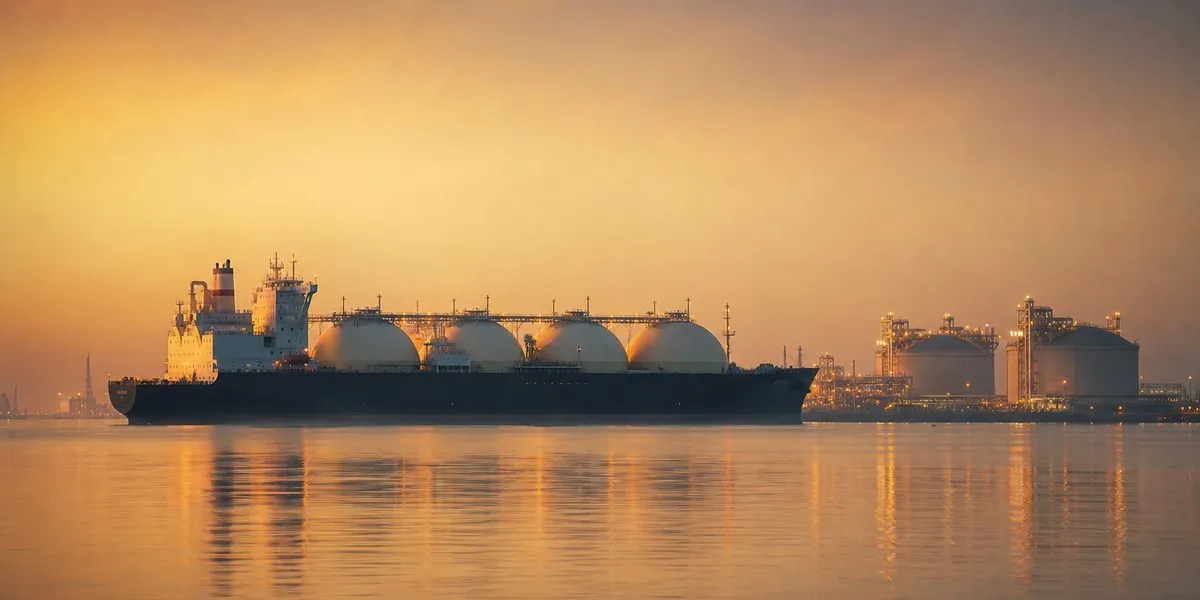
Qatar’s Emir Sheikh Tamim bin Hamad Al Thani said that the closure of the Strait of Hormuz and direct damage to certain energy facilities in the industrial city of Ras Laffan had disrupted a significant share of the country’s exports. Addressing the Consultative Council, he stressed that Qatar accounts for approximately one-fifth of global liquefied natural gas trade, so any disruptions quickly affect markets and consumers, Anadolu Agency reports.
Impact on the energy sector
According to the emir, the economic impact of the current regional crisis has been concentrated mainly in the energy sector. QatarEnergy halted LNG production in early March after drone attacks on energy facilities in Mesaieed and Ras Laffan, the world’s largest liquefied gas export hub.
Qatar’s Ministry of Defence said that two drones, which according to its information originated from Iran, were directed at these facilities. The emir also said that work to expand development of the North Field gas field is continuing in line with plans to increase Qatar’s LNG production capacity.
He added that the Golden Pass LNG project in the United States had made significant progress, while QatarEnergy continues to expand international investments and partnerships.
More current news is available on the UA.News Telegram channel Telegram.
Security and diplomacy
Sheikh Tamim said that Qatar had been attacked by Iran, calling it a violation of the country’s sovereignty and international law. According to him, Qatari armed forces and security services fulfilled their duty to protect the state.
The emir stressed that Doha’s pursuit of dialogue and a peaceful settlement does not mean abandoning national defence. According to him, Qatar’s strategy involves protecting the country without being drawn into war, maintaining the operation of public services, supply chains and economic activity, facilitating a ceasefire and the restoration of shipping, and supporting negotiations.
He called on the member states of the Gulf Cooperation Council to strengthen coordination and cooperation. Sheikh Tamim separately stressed the need to protect shipping in the Persian Gulf and the Strait of Hormuz, as well as energy, water and civilian infrastructure.




