
EU restricts imports of certain types of meat from Namibia over foot-and-mouth disease — Al Jazeera
The European Union has temporarily restricted imports of certain types of fresh and processed meat from Namibia after an outbreak of foot-and-mouth disease was confirmed in the //Kharas region. The disease was subsequently also detected in the Zambezi region. The EU restrictions apply to specified types of products from cattle, sheep and goats, as well as certain goods from other domestic and wild cloven-hoofed animals.
As Al Jazeera reports, the EU announced this measure on October 5. It does not mean a complete ban on all meat products from Namibia: some processed goods that have undergone the established risk-reduction procedure may continue to be supplied to the bloc. Shipments of fresh meat certified by Namibian authorities before September 23 may be admitted during a 90-day transition period, provided EU rules are met.
Two disease outbreaks
Namibia's veterinary service confirmed the first outbreak of foot-and-mouth disease on September 23 at a commercial farm in the Karasburg veterinary district in the southern //Kharas region. As of October 6, the Ministry of Agriculture, Fisheries, Water and Land Reform reported 129 positive samples and 17 infected farms. Veterinary teams inspected 72 of the 81 identified farms.
On October 7, a laboratory confirmed foot-and-mouth disease in cattle on Kalala Island in the Kabbe district of the Zambezi region in the north of the country. Specialists collected 12 samples from animals showing clinical signs of the disease, and all tested positive.
More current news is available on the UA.News Telegram channel Telegram.
In the Zambezi region, authorities suspended the movement of cloven-hoofed animals and unprocessed products from them, revoked issued transport permits, and halted auctions, informal markets and other events involving gatherings of animals. Slaughter at local abattoirs, informal markets and during social events has also been suspended. Export abattoirs may operate with suitable livestock provided quarantine requirements are observed and animal traceability is verified.
Pressure on farmers and sellers
Authorities launched emergency vaccination in the affected area, stepped up surveillance and set up checkpoints. In //Kharas, construction also began on a veterinary fence along the Orange River to strengthen controls on the border with South Africa.
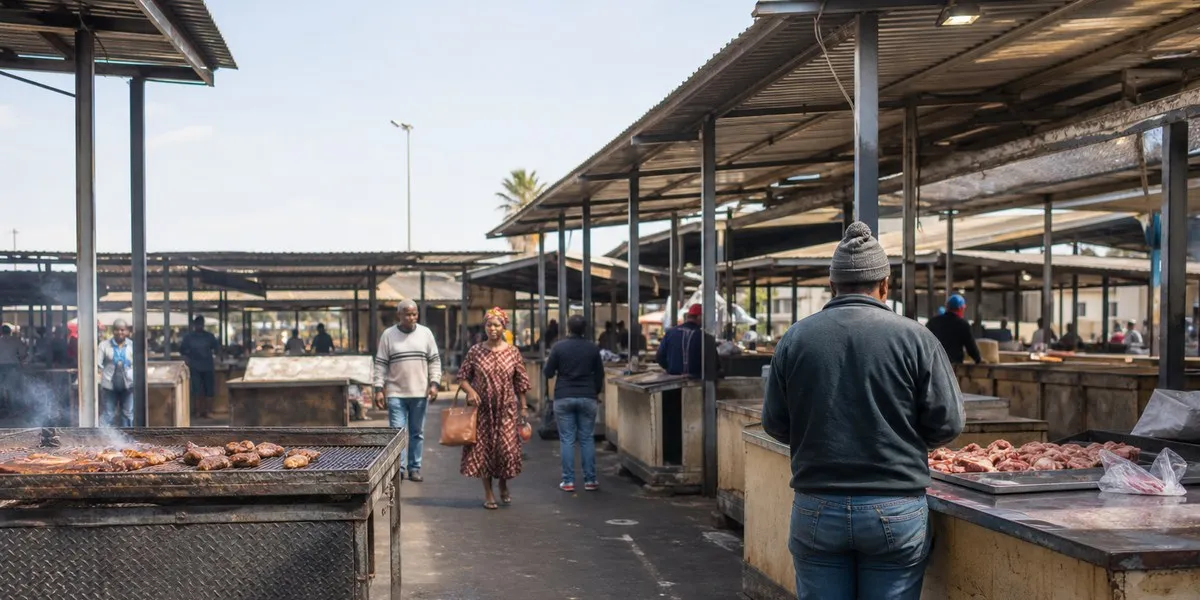
The restrictions have already affected the local market. Meat sellers in Windhoek reported product shortages, higher prices and declining revenue. According to The Namibian, meat corporation Meatco sent around 400 production workers on three weeks of paid leave. Their return will depend on recommendations from veterinary authorities.
Marianne Pretorius, a representative of the Namibia Agricultural Union, said that losing access to part of the export markets would affect all livestock producers in the country. According to her, even after domestic trade resumes, prices may remain under pressure until exports recover.




