
Culinary Holiday on November 20, 2026 — Fish Dishes Day: Folk Traditions and Three Recipes
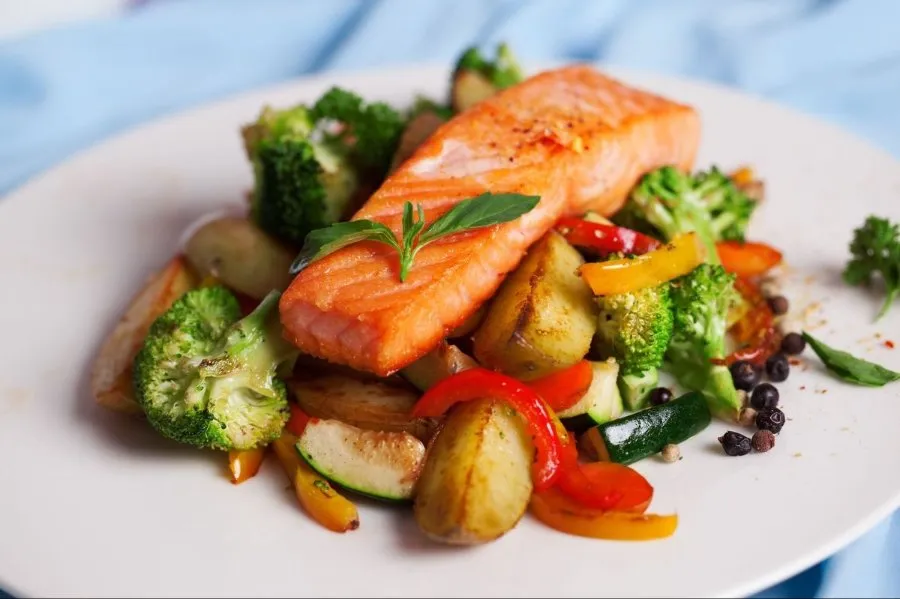
According to one folk belief, on November 20, it is customary to prepare a fish dish—it is believed that this will bring good luck, health, and prosperity to the home. This tradition is mentioned in Ukrainian calendars of folk omens, although it cannot be called a universally accepted custom across all regions. Fish has long held an important place in the cuisines of various peoples, so we’ve compiled its culinary history and three recipes: a traditional Ukrainian dish and two unusual variations from different cuisines around the world.
In folk calendars, November 20 is associated with beliefs about well-being and domestic comfort. In particular, one Ukrainian calendar of folk omens states that it is advisable to prepare a fish dish on this day. It was believed that doing so could bring the family good luck and prosperity. This is specifically a folk belief, not a religious requirement or an official tradition.
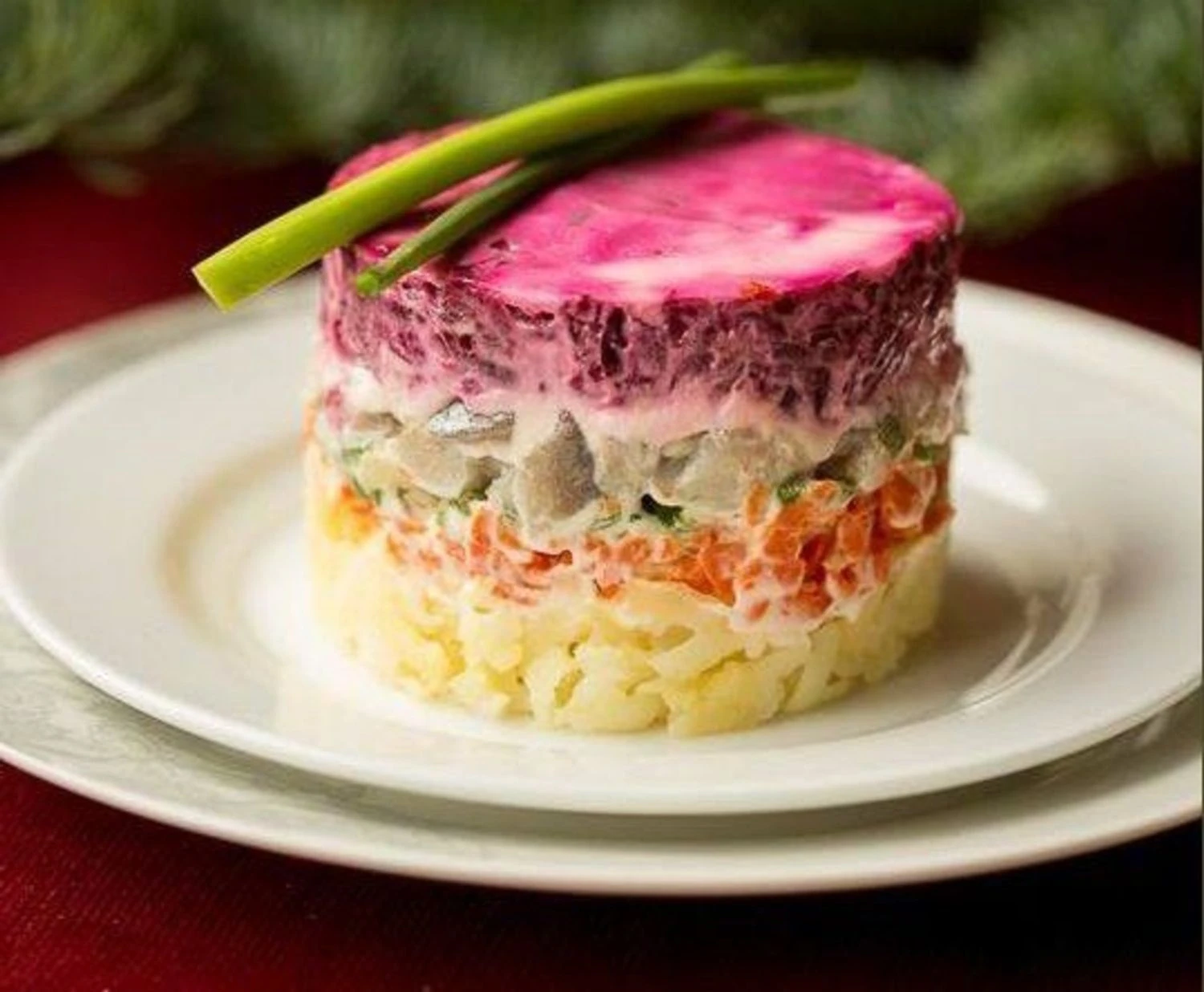
This date is also associated with older customs related to fishing. In the folk calendar, November 20 is marked as Fedot’s Day, as well as the beginning of the ice set. Our ancestors relied on the weather and the condition of bodies of water: if rivers and lakes began to freeze over, fishermen prepared for winter fishing. In some areas, it was precisely during this period that people would set out on their first winter fishing trip. The catch was of great importance to the household, as the fish could not only be cooked immediately but also salted, dried, or smoked to ensure a supply for the cold months.

At the same time, one shouldn’t view the belief about the fish dish as a rule followed by all Ukrainians. Folk customs varied depending on the region, local traditions, and the church calendar. In some areas, special attention was paid to fishing, while in others, the focus was on household chores and preparing for winter. And the very idea of cooking fish for good luck is a pleasant occasion to gather the family around the table and reflect on culinary traditions.
Where Did Fish Dishes Come From?
Fish does not have a single country of origin as a culinary dish. People in different parts of the world began catching and preparing it as far back as ancient times—wherever there were nearby seas, rivers, and lakes. For coastal communities, fish was one of the main sources of food, and for residents of river valleys, it was an important part of their daily diet. They grilled it over an open fire, baked it, boiled it in cauldrons, dried it, and salted it.
Some of the earliest written records of fish consumption come from the ancient civilizations of the Middle East. In Ancient Egypt, fish were caught in the Nile, prepared fresh, and preserved by drying, salting, and smoking. This was especially important in the hot climate, where fresh catches spoiled quickly. In Mesopotamia, people also knew methods for drying and salting fish. Researchers have found references to fish products and sauces in the region’s ancient culinary traditions.

In the Mediterranean, fish became an important part of Greek and Roman cuisine. It was baked, boiled with spices, fried, and served with various sauces. Seafood was particularly prized, and pickling and salting allowed the catch to be transported over long distances. Fermented fish sauces were also popular in Roman cuisine and were used as a condiment for many dishes. Some of these culinary traditions have survived in the Mediterranean to this day.

Asia developed its own methods of preparing fish. In Japan, fish began to be combined with rice, vinegar, and other ingredients, which later became the basis for various types of sushi. In China, dishes featuring steamed fish with ginger, soy sauce, and green onions became widespread. In Southeast Asia, fish is often prepared with coconut milk, hot spices, lime, and aromatic herbs. So today, fish dishes represent not just a single culinary tradition, but a whole world of recipes that have evolved over the centuries in different countries.
Fish in Ukrainian Cuisine
Fish also has a long history in Ukraine. It was prepared in villages near the Dnipro, Dniester, Danube, Southern Bug, and other rivers and lakes, as well as in the coastal regions of the Black and Azov Seas. Different regions used whatever types of fish were easiest to catch. Dishes featured carp, crucian carp, pike, catfish, bream, pikeperch, perch, and other river and sea species.

One of the most famous Ukrainian fish dishes is yushka. It was prepared using several types of fish or a single large catch, with the addition of onions, root vegetables, herbs, and spices. Yushka held a special place in Cossack cuisine. For the Cossacks, fish was an important food source, as it could be caught in rivers, dried, salted, and taken along on their journeys. Over time, various versions of yushka emerged, including thicker soups with grains and vegetables.

Baked fish was no less popular. Carp or crucian carp could be baked in the oven with sour cream, onions, and spices. Fish was also stuffed with mushrooms, buckwheat, or other fillings. In some regions, people made rybnyky—pies with a fish filling—which could serve as both an everyday and a festive dish. Fish was fried, stewed, dried, and smoked, and the salted catch was preserved for the winter.
Fish dishes were also an important part of the Lenten menu. During periods of fasting, when believers abstained from meat and certain other foods, fish was often permitted on specific days. Therefore, it was frequently served at family dinners and festive meals. At the same time, recipes depended on local ingredients: in areas with an abundance of river fish, fish soup and baked carp were more common, while in coastal regions, dishes made with saltwater fish were more prevalent.
What ingredients are most commonly used to prepare fish
There is no one-size-fits-all recipe for a fish dish. It all depends on the type of fish, the cooking method, and the cuisine you want to recreate. For baking, people often use carp, sea bream, mackerel, trout, or salmon. For soups, pikeperch, perch, pike, and other species with plenty of flavor and aroma are suitable. And for frying, it’s convenient to use fillets, which are easy to cut into individual portions.

Onions, garlic, lemon, herbs, olive oil, butter, and spices are most commonly added to fish. Ukrainian recipes typically feature sour cream, carrots, potatoes, dill, and bay leaves. Mediterranean cuisine often features tomatoes, olives, rosemary, thyme, and lemon. Asian dishes may include ginger, soy sauce, coconut milk, chili, and lime. It’s important not to overpower the fish with spices. It often has a delicate flavor that can easily be overpowered by overly spicy or aromatic seasonings. If the fish is fresh, sometimes all you need is salt, pepper, lemon juice, and a small amount of oil. However, for fattier varieties, such as mackerel or salmon, tangy and spicy sauces work well.
Three Fish Recipes
This selection features three different options. The first recipe is reminiscent of Ukrainian home cooking, the second combines fish with sweet mango and hot peppers, and the third is inspired by the cuisines of Southeast Asia.
1. Carp Baked with Sour Cream and Onions

Cooking time: about 50–60 minutes. Serves: 3–4.
Ingredients:
1 carp weighing about 1–1.2 kg;
250 g sour cream;
2 large onions;
2 cloves of garlic;
1 lemon;
2 tablespoons of oil;
1 teaspoon mustard;
salt and black pepper to taste;
a small bunch of dill.
Preparation:
Scale the carp, remove the gills and innards, rinse thoroughly, and pat dry with a paper towel. Make several shallow cuts on the sides—this will help the fish absorb the spices better.
Rub the carp with salt, black pepper, and a small amount of lemon juice. Let it sit for 15–20 minutes.
Slice the onion into half-rings and mince the garlic. Sauté the onion in oil until soft, being careful not to let it brown.
Mix the sour cream with mustard, garlic, finely chopped dill, and a small amount of salt. Set aside some of the sauce for serving.
Place the onions on the bottom of a baking dish and arrange the carp on top. Brush the fish evenly with the sour cream sauce. If desired, place a few lemon slices and some dill inside the fish.
Bake in an oven preheated to 180 °C for about 35–45 minutes. The exact time depends on the size of the fish. Check for doneness near the backbone: the flesh should become opaque and flake easily with a fork.
The carp turns out tender and juicy, infused with the sour cream sauce and onions. It can be served with potatoes, buckwheat, or a vegetable salad. This is a simple home-cooked dish that’s perfect for a family dinner.
2. Fish Tacos with Mango and Spicy Salsa

Cooking time: about 30 minutes. Servings: 4.
Ingredients:
For the fish:
500 g white fish fillets—tilapia, hake, or cod;
1 tablespoon oil;
½ teaspoon paprika;
½ teaspoon ground cumin;
salt and black pepper to taste;
juice of half a lime.
For the salsa:
1 ripe mango;
½ red onion;
½ small chili pepper;
juice of one lime;
a small bunch of cilantro.
To serve:
8 small corn or wheat tortillas;
1 avocado;
a few lettuce leaves;
plain yogurt or sour cream.
Preparation:
Pat the fish fillets dry and cut them into small pieces. Mix together the oil, paprika, cumin, salt, pepper, and lime juice. Coat the fish with this mixture and let it marinate for 10 minutes.
Peel the mango and cut it into small cubes. Add the finely chopped red onion, chili, and cilantro. Drizzle with lime juice and gently toss.
Heat a skillet. Sauté the fish over medium heat for about 3–4 minutes on each side, depending on the thickness of the pieces. It should be fully cooked but still juicy.
Slice the avocado into thin slices. Warm the tortillas slightly in a dry skillet until they become soft and pliable.
Top each tortilla with lettuce leaves, a few pieces of fish, mango salsa, and avocado.
Add a little yogurt or sour cream and, if desired, a few more drops of lime juice.
This recipe is unique thanks to the combination of fish and sweet mango. The fruit salsa adds freshness, the lime adds tartness, and the chili adds a mild heat. The dish turns out vibrant, juicy, and unlike the usual fried fish with a side dish. It’s perfect for serving at a party or preparing for a small group.
3. Fish in Coconut Sauce with Ginger and Lime

Cooking time: about 35 minutes. Serves: 3–4.
Ingredients:
600 g white fish fillets—cod, hake, or pikeperch;
400 ml coconut milk;
1 small onion;
2 cloves of garlic;
a piece of fresh ginger, about 3 cm;
1 red bell pepper;
1 tablespoon of oil;
1 tablespoon soy sauce;
1 teaspoon curry paste;
juice of half a lime;
a few sprigs of cilantro;
salt and pepper to taste.
Preparation:
Cut the fish into large pieces, then season with salt and pepper. Let it sit for a few minutes while you prepare the sauce.
Dice the onion into small cubes, mince the garlic, and grate the ginger. Cut the bell pepper into thin strips.
Heat the oil in a deep skillet or saucepan. Add the onion and sauté for a few minutes until softened. Then add the garlic, ginger, and curry paste. Stir and cook for about a minute to let the spices release their aroma.
Add the bell pepper, pour in the coconut milk and soy sauce. Stir and bring to a gentle simmer. Reduce the heat and cook the sauce for 5–7 minutes.
Place the fish pieces in the sauce. Cover and simmer over low heat for about 7–10 minutes, depending on the thickness of the fillets. Do not stir too vigorously, so the fish doesn’t fall apart.
At the end, add lime juice and chopped cilantro. Taste the sauce and adjust the amount of salt, pepper, or lime juice as needed.
Coconut milk makes the sauce creamy and slightly sweet, ginger adds spice, and lime refreshes the flavor. If you want a spicier dish, you can add a little fresh chili. This fish is best served with rice, which soaks up the flavorful sauce well. This recipe is for those who want to try something unusual but not too complicated to make.
How to Choose Fish and Avoid Ruining the Dish
To make a delicious fish dish, it’s important to choose the right fish. Fresh fish has a natural, mild smell, firm flesh, and a clean surface. If you’re buying a whole fish, check the gills: they should be red or pink, with no unpleasant odor. The fillet should be firm, free of slime, and without any suspicious spots. It’s best to thaw frozen fish gradually in the refrigerator rather than leaving it at room temperature for a long time.

It’s just as important to choose the right cooking method. Fatty fish, such as mackerel or salmon, can be baked or pan-fried without adding much extra fat. Lean varieties, such as hake or cod, taste great with sauces, vegetables, and marinades. If you’re cooking fish in the oven, don’t leave it in longer than necessary: overcooked fillets lose their tenderness and become less juicy. Fish should be cooked through completely. For most types, a safe internal temperature is approximately 63 °C. If you don’t have a kitchen thermometer, check that the flesh has become opaque and flakes easily with a fork.
Fish as a Symbol of Good Luck and Prosperity
In various cultures, fish has not only culinary but also symbolic significance. For example, in Chinese tradition, it is associated with abundance and prosperity. This is due, in part, to the homophony between the Chinese word for “fish” and the word meaning “abundance” or “prosperity.” That is why fish is often served at the festive table during the Chinese New Year. Even the way it is served is significant: in some traditions, fish is left whole as a symbol of wholeness and well-being.

In the Zoroastrian tradition, fish also has a positive symbolic meaning. It is associated with protection, good fortune, and well-being. In Parsi families, images of fish were used in decorative and wedding rituals. This is yet another example of how an ordinary food can become a symbol of good wishes and a happy life. In Ukrainian folklore surrounding November 20, a fish dish also serves as a symbol of prosperity. Of course, there is no scientific evidence that fish cooked on this day can bring good luck. But this tradition has a lovely meaning: to take time for home cooking, gather loved ones around the table, and share a delicious meal.
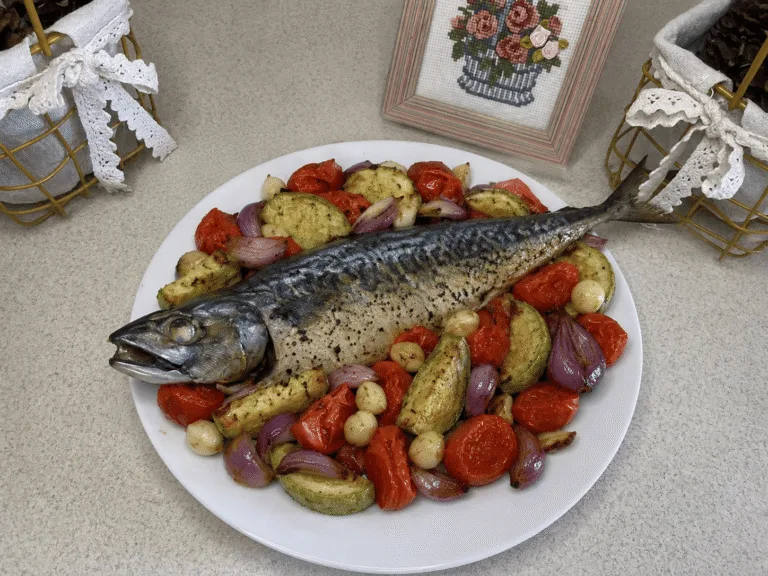
So on November 20, you can cook a simple carp with sour cream, try fish with mango, or make a delicate curry with coconut milk. The main thing is to choose fresh ingredients, take your time while cooking, and enjoy the meal in good company. And may the belief in prosperity remain a heartfelt folk wish for every home.




