
Culinary Holiday on November 25, 2026 — Parfait Day: Three Recipes
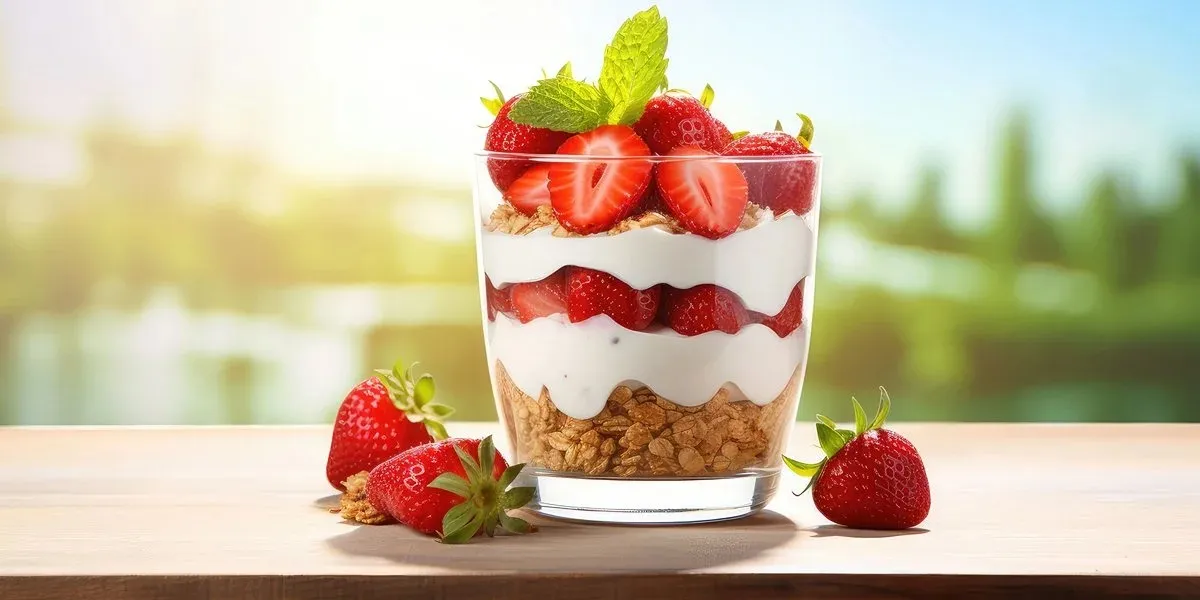
On November 25, the United States celebrates National Parfait Day—a holiday honoring this delicate, layered dessert that can be served for breakfast or as part of a festive meal. France is considered its birthplace, but over time, the parfait has gained popularity in the U.S., Japan, and other countries. Today, there are dozens of variations of this dish: from the classic coffee-based dessert to a light yogurt parfait with berries and granola. Here’s where the parfait comes from, what makes it special, and how to make it at home.
Parfait is a dessert typically made with several layers of different ingredients. These layers vary in flavor and texture: a delicate cream is combined with fruits, berries, chocolate, nuts, or crunchy cookies. Most often, the dish is served in tall, clear glasses so that all the layers are visible. The name comes from the French word parfait, meaning “perfect” or “ideal.” And this perfectly captures the concept behind the dessert: combining different flavors so that they complement each other.

France is considered the birthplace of the parfait. Originally, it was not at all the dessert you see in cafes today. The French parfait was made with cream, eggs, sugar, and flavorings. The mixture was whipped and then frozen in special molds. Coffee, fruit puree, or liqueur could be added to it. One of the earliest known recipes for coffee parfait was published by French chef Jules Guffe in his 1867 cookbook *Le Livre de Cuisine*. The recipe later became popular outside of France as well. By the 1890s, the name was already being used to describe a frozen dessert in English-language sources.

Over time, parfaits began to be prepared in various ways. In the United States, the dessert was given a new lease on life. Instead of a frozen mixture, chefs began layering ice cream, fruit, syrups, jellies, and whipped cream in tall glasses. This version became popular in establishments serving soft drinks, ice cream, and sweets. Another popular version is parfait made with yogurt, fruit, and granola. It has become especially popular as a breakfast option. This dessert is convenient because it can be prepared quickly, taken on the go, or made in advance.
In Which Countries Is Parfait Popular
Although parfait originated in France, it is now prepared in various parts of the world. In each country, the dessert has taken on its own unique characteristics.
France. Here, the classic version of parfait has been preserved—a frozen dessert made from cream, eggs, and sugar. It’s often complemented with coffee, chocolate, fruit, or liqueur. It is served on plates, sometimes cut into individual portions.
United States. Americans have popularized parfait served in tall, clear glasses. They add ice cream, whipped cream, fruit syrups, berries, chocolate, and nuts. A version with yogurt and granola has also become popular, and is often eaten for breakfast.
Japan. Here, parfait has evolved into a true art form of dessert presentation. In Japanese cafes, you can find tall glasses filled with ice cream, fresh fruit, jelly, whipped cream, sponge cake, and sweet sauces. Fruit-based versions with strawberries, melon, mango, and peaches are especially popular.
Canada. Breakfast parfaits with yogurt, berries, nuts, and granola are common here. They’re often sold in coffee shops and fast-food restaurants.
Other European countries. Parfaits can be found on the menus of restaurants and pastry shops. They are prepared with either classic cream or ice cream, along with fruit, chocolate, and other toppings.
The Japanese tradition is particularly interesting. In Tokyo, the fruit shop and café Sembikiya opened its doors back in 1913, and fruit parfait was already listed on the 1938 menu. Over time, the dessert became popular in Japanese coffee shops and pastry shops.
What ingredients are used in parfait?
There is no single correct recipe for parfait. It all depends on whether you want to make a light breakfast, a delicate creamy dessert, or something similar to ice cream. The following ingredients are most commonly used:
Heavy cream—the foundation of classic French parfait. It makes the dessert delicate and light.
Eggs and sugar—necessary for making the traditional frozen version.
Yogurt or Greek yogurt—a popular base for a light breakfast parfait.
Ice cream — adds a rich, creamy flavor to the dessert.
Fresh fruits and berries—strawberries, raspberries, blueberries, bananas, mangoes, peaches, and kiwis.
Granola and nuts—provide a crunchy texture. Almonds, walnuts, hazelnuts, and cashews are often used.
Chocolate and cocoa — suitable for chocolate-based versions.
Honey, caramel, and fruit syrups—add sweetness and flavor.
Cookies and sponge cake — help create additional layers and make the dessert more filling.
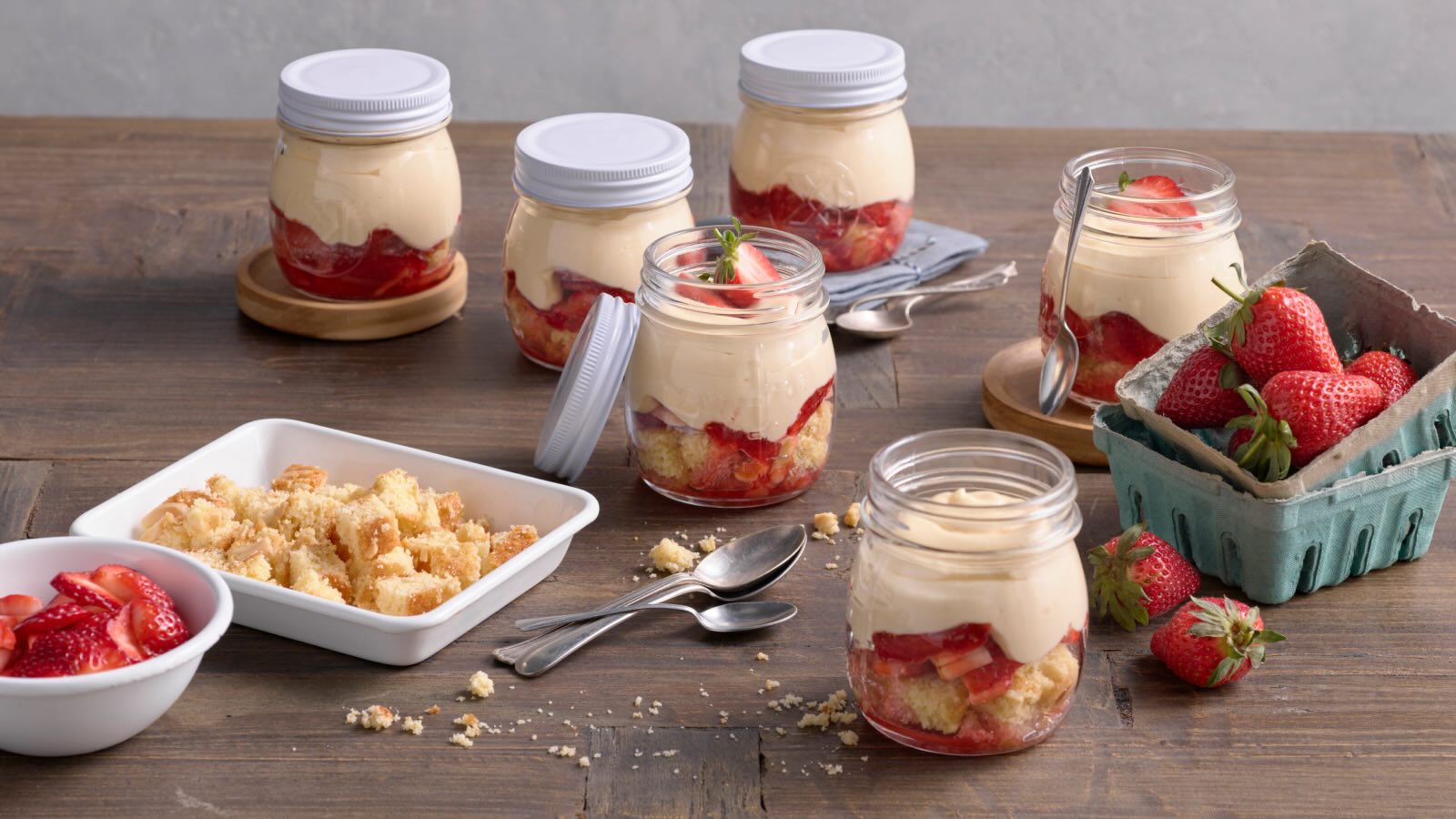
The main secret to parfait is combining different textures. For example, creamy yogurt pairs well with crunchy granola, and whipped cream goes well with tart berries. It’s also important to alternate the layers correctly so that every spoonful contains several flavors at once.
Fun Facts About Parfait
1. Parfait was originally a frozen dessert. The French version was more like creamy ice cream or semifreddo than the modern yogurt with fruit.
2. In the U.S., parfait became part of café culture. In the early 20th century, the dessert was served in tall glasses with ice cream, fruit, and syrups. Later, it became popular in establishments serving soft drinks and ice cream.
3. In Japan, you can find enormous parfaits. Some establishments serve desserts several dozen centimeters tall. They are garnished with fruit, ice cream, whipped cream, waffles, and sweet sauces.
4. Parfait isn’t just a dessert. In modern cuisine, the term is also used to describe certain savory, layered dishes. For example, there are versions made with liver mousse, vegetables, and other ingredients.
5. With a parfait, it’s not just the recipe that matters, but also the presentation. A clear glass allows you to see the colorful layers, so the dessert is often decorated to look spectacular even before the first spoonful.
6. There are no strict rules regarding the number of layers in a parfait. You can make two or three layers for a quick breakfast or create a complex dessert with many fillings.
7. November 25 is an unofficial food holiday. The exact date of its inception and the name of its founder are unknown. It is celebrated in the tradition of American calendars of unusual food holidays.
Three Parfait Recipes That Are Easy to Make at Home
Parfait doesn’t require complicated equipment or special culinary skills. For most versions, all you need are clear glasses, a few ingredients, and a little time. Here are three recipes: a classic berry parfait, an unusual chocolate-coffee parfait, and an original tropical parfait with mango and coconut.
1. Berry Parfait with Greek Yogurt and Granola

Prep time: 10 minutes · 2 servings
Ingredients:
300 g Greek yogurt;
150 g strawberries;
100 g blueberries or bilberries;
80 g granola;
1–2 tablespoons honey;
1 teaspoon vanilla sugar;
a few mint leaves for garnish.
Preparation:
Wash the strawberries, pat them dry, and cut them into small pieces. Set aside a few whole berries for garnish.
Mix the Greek yogurt with the honey and vanilla sugar. If the yogurt is already sweet, you can use less honey.
Spoon a little yogurt into the bottom of each clear glass.
Add a layer of strawberries, then a little granola.
Repeat the layers once more. Top with blueberries, whole strawberries, and a few mint leaves.
Serve immediately so the granola stays crunchy.
This version is great for breakfast or a light snack. If you like, you can substitute raspberries, peaches, or bananas for the strawberries, and use maple syrup instead of honey.
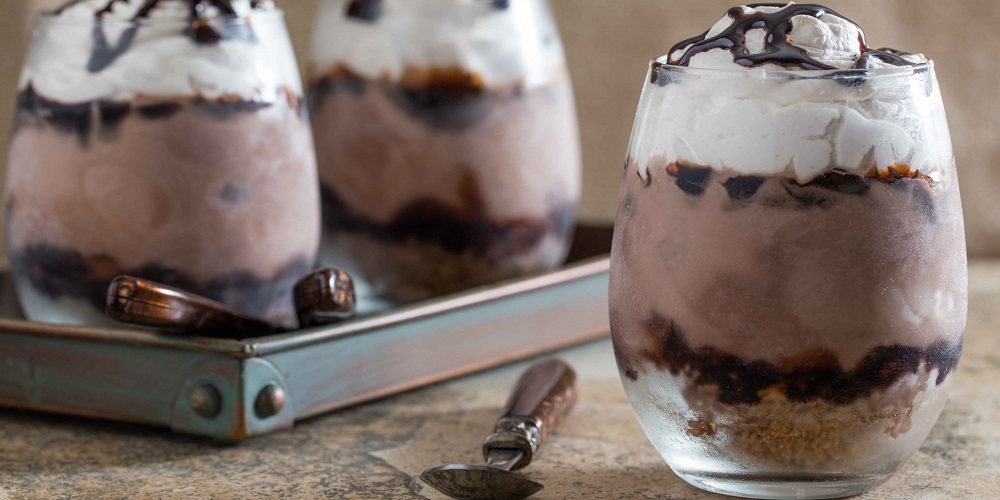
2. Chocolate-Coffee Parfait with Brownies and Salted Caramel

Prep time: 20 minutes, not including brownie cooling time · 2–3 servings
Chocolate and coffee lovers will enjoy this recipe. It combines a delicate cream, chunks of chocolate brownie, the aroma of coffee, and salted caramel. The result is a dessert that’s perfectly suitable to serve to guests instead of a cake.
Ingredients:
For the cream:
250 g mascarpone;
150 ml heavy cream (30–33% fat);
2 tablespoons powdered sugar;
1 teaspoon instant coffee;
1 tablespoon hot water.
For the layers:
150 g ready-made chocolate brownie;
50 g dark chocolate;
3–4 tablespoons of salted caramel;
a pinch of sea salt;
cocoa powder for garnish.
Preparation:
Dissolve the coffee in hot water and let it cool.
Mix the mascarpone with powdered sugar and coffee.
Separately, whip the cold heavy cream until soft peaks form. Gently fold it into the mascarpone to create a light, airy cream.
Cut the brownie into small cubes. If it’s too soft, chill it slightly before cutting.
Place a layer of chocolate brownie at the bottom of each glass. Top with the coffee cream.
Drizzle with a small amount of salted caramel and sprinkle with chopped chocolate.
Repeat the layers once more. Finish with cream, caramel, cocoa, and a pinch of sea salt.
Place the dessert in the refrigerator for about 30–60 minutes to allow the layers to set slightly.
A little secret: if you lightly soak the brownie with cold coffee, the flavor will be richer. But don’t add too much liquid, or the dessert will lose its texture.
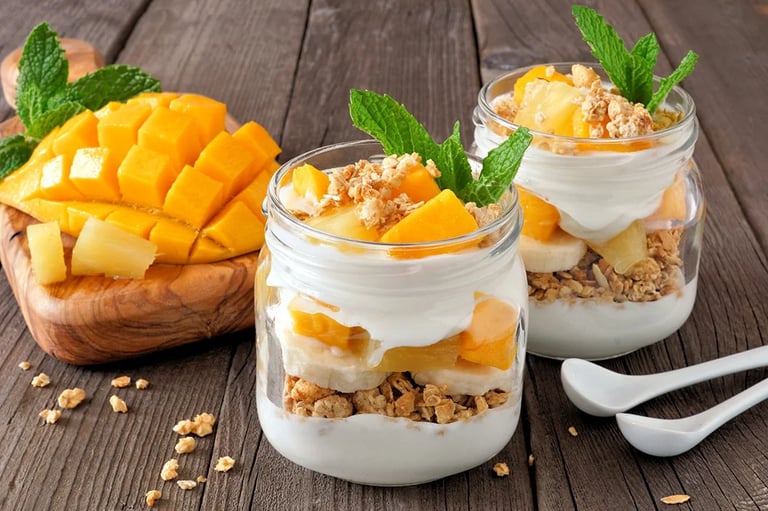
3. Tropical Parfait with Mango, Coconut, and Lime
Prep time: 15 minutes · 2 servings
This is a vibrant option with a tropical vibe. Sweet mango pairs with coconut cream, the tartness of lime, and crunchy nuts. This dessert is perfect for anyone looking for something more interesting than the usual berry parfait.
Ingredients:
1 large ripe mango;
200 g thick Greek yogurt;
100 ml coconut cream;
2 tablespoons honey;
40 g shredded coconut;
40 g cashews;
juice of half a lime;
zest of half a lime;
a few mango slices for garnish.
Preparation:
Peel and dice the mango. Blend half of the fruit in a blender until smooth, adding a little lime juice.
Mix the Greek yogurt with coconut cream, honey, and a small amount of lime zest.
Lightly toast the cashews in a dry skillet, then chop them. You can also lightly toast the shredded coconut to bring out its flavor.
Spread a layer of coconut cream at the bottom of the glasses.
Add mango puree, a few pieces of fresh mango, and some chopped nuts.
Repeat the layers, alternating between the cream and the fruit.
Garnish the top with mango slices, shredded coconut, cashews, and lime zest.
If desired, you can add passion fruit to this parfait. Its sweet-and-sour flavor pairs perfectly with mango and coconut.
How to Celebrate National Parfait Day
November 25 is a great opportunity to try a new flavor combination or make a dessert with your loved ones. You don’t have to buy expensive ingredients or spend a lot of time in the kitchen to do this. You can make several different parfaits at once: a berry parfait for the kids, a chocolate parfait for those with a sweet tooth, and a fruit parfait for those who prefer lighter desserts.

Another fun idea is to set up a small parfait bar at home. Prepare separate bowls with yogurt, whipped cream, fruit, nuts, chocolate, cookies, and granola. Let everyone create their own dessert using their favorite ingredients. And the most important rule of this celebration is not to be afraid to experiment. After all, parfaits are prized precisely for the opportunity to combine a wide variety of flavors and create your own recipes.




