
Pikitup board chair links Johannesburg’s waste crisis to the city’s financial system
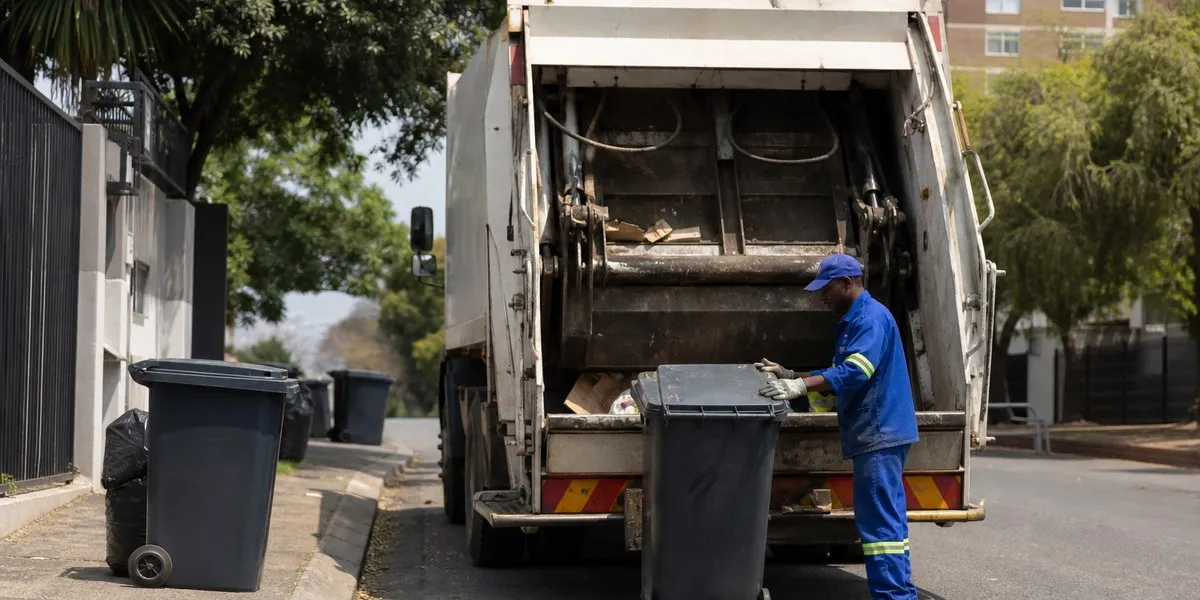
In Johannesburg, South Africa, Maxwell Ndzamba, chair of the board of the municipal waste removal operator Pikitup, linked disruptions in garbage collection to the city’s centralized financial management system. According to him, funds from municipal entities go into a single account and are then allocated among the competing needs of the city authorities.
As TimesLIVE reports, Ndzamba believes the rules for managing city funds need to be reviewed. He noted that because of cash-flow problems, Pikitup competes for funding with other critical services, including City Power and Joburg Water.
A shared account and competing needs
The City of Johannesburg uses a system under which revenue from individual municipal enterprises is accumulated in the city’s main account. According to Ndzamba, even if Pikitup collects 150 million rand per week, that money does not necessarily return to the enterprise immediately, as the city allocates it according to urgent needs.
He explained that the authorities may first direct funds toward settling electricity or water supply debts if there is a threat of power cuts or water restrictions. Under such conditions, Pikitup receives a smaller share of funding, although uninterrupted waste removal, in the board chair’s assessment, is important for public health, the environment and urban infrastructure.
More current news is available on the UA.News Telegram channel Telegram.
Strikes, equipment and staffing issues
Ndzamba acknowledged that Pikitup is also under operational pressure due to labor protests, disruptions at some depots, problems with fleet reliability, financial difficulties in the supply chain and accumulated service delays. The disruptions affected areas served by the Marlboro, Central Camp, Randburg, Roodepoort, Selby and Midrand depots.
Recently, workers engaged through contractors for waste collection protested, demanding formal employment with the municipality. Ndzamba said he understands their arguments: some people have long performed work similar to the duties of permanent employees but receive lower pay and fewer benefits. At the same time, he noted that permanent employment may currently be impossible because of financial constraints.
Pikitup has approximately 4,500 employees and additionally engages contractors, primarily for waste removal. According to Ndzamba, the enterprise is becoming increasingly dependent on contracting companies because its workforce is aging and experienced employees are being transferred to less physically demanding positions.


