
Ghana’s Institute of Economic Affairs opposes five-year term — MyJoyOnline
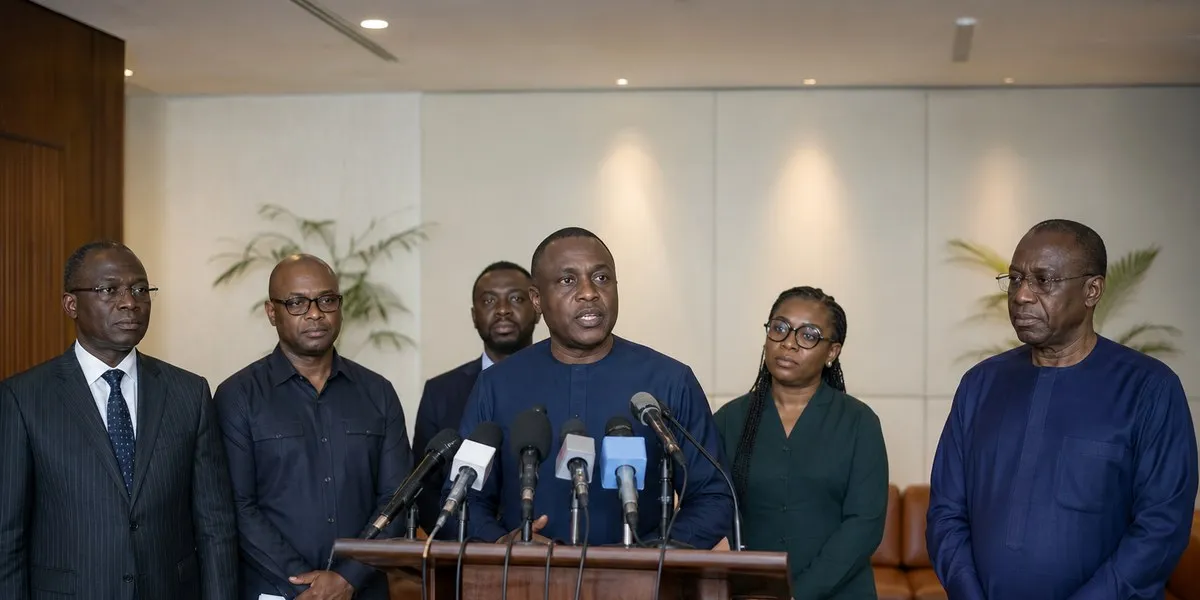
Ghana’s Institute of Economic Affairs (IEA) has opposed a proposal to extend the terms of the president and members of parliament from four to five years. The institute said that the current four-year mandate is sufficient to implement government programmes, MyJoyOnline reports.
IEA’s position
Former Chief Justice of Ghana and IEA member Sophia Akuffo said there were no compelling grounds for extending the current term. She spoke at a briefing ahead of an IEA “Views and Reflections” series seminar dedicated to the recommendations of the Prempeh Committee and the government’s position on the proposed constitutional reforms.
The Prempeh Committee recommended extending presidential and parliamentary terms to five years. The government supported the proposal, saying that the additional year would provide more time to develop, implement and assess policies.
Preparation for government work
At the same time, the IEA believes that political parties and future governments should prepare to implement programmes even before taking office. According to Sophia Akuffo, a government should not spend a significant part of its mandate forming its administration.
More current news is available on the UA.News Telegram channel Telegram.
She also criticised delays in appointing ministers and other officials to key positions. According to her, such pauses reduce the time a government can use to implement its programme.
Issue of institutional continuity
The IEA noted that the discussion of a five-year term should take into account the balance between effective policy implementation and democratic accountability. Supporters of a longer mandate believe it would allow long-term programmes to be implemented, while opponents stress the role of shorter electoral cycles in citizens’ oversight of elected officials.
The institute also questioned whether interruptions to state programmes are really linked to the four-year electoral cycle rather than weak institutions, insufficient planning, or successive governments abandoning their predecessors’ programmes. The IEA said the proposal should be considered together with strengthening the National Development Planning Commission. In the institute’s view, a reliable long-term national development strategy could enable successive governments to implement large-scale programmes within four-year mandates and move in a shared direction of development.




