
Iran names oil scheme it links to US and UAE as target — Al Jazeera
Iran said it intends to disrupt the operation of an oil transportation system through the Strait of Hormuz that Tehran links to the United States and the United Arab Emirates. This was reported by Al Jazeera, citing a statement by Iranian official Mohsen Rezaei.
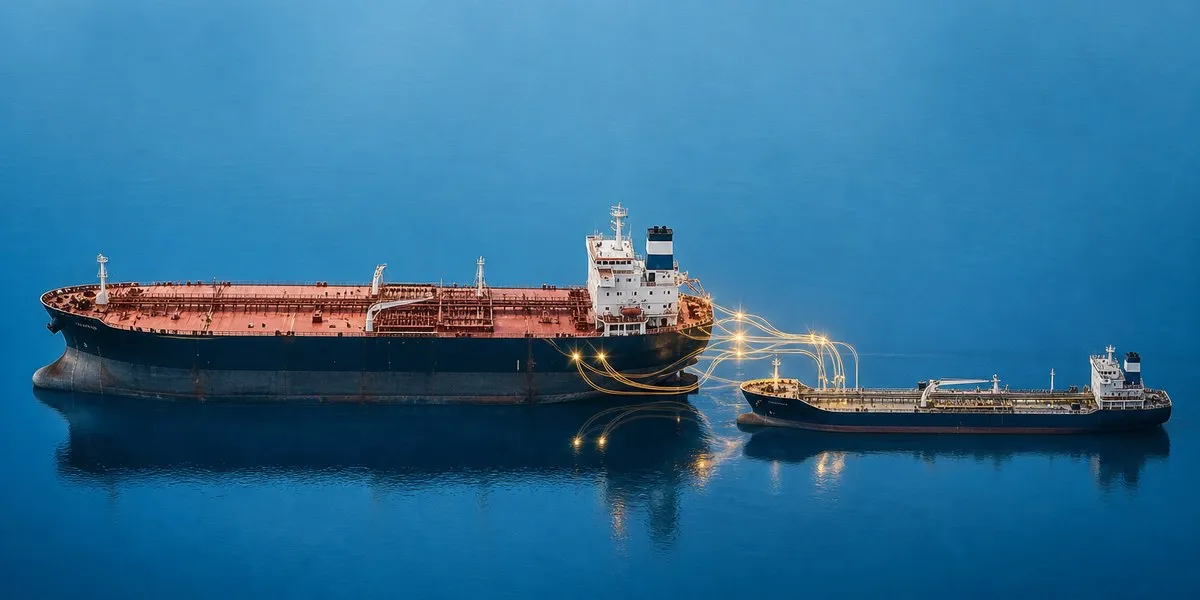
Rezaei claims that US Central Command, with the assistance of the UAE military, is using smaller vessels to transfer oil to large tankers. According to him, Iran had been attacking five or six vessels allegedly involved in this scheme every night for several weeks.
Oil transfers near Oman
According to the outlet, the system involves the coordination of very large crude carriers and smaller vessels with the participation of the US military. Oil is loaded at Arab ports, while vessels use the southern corridor near the coast of Oman to exit the strait. After ship-to-ship oil transfers in the Gulf of Oman, some vessels return for new cargo shipments.
Vessels often switch off their transponders and travel at night to reduce the risk of being hit. On the night from Sunday to Monday, several vessels were attacked, including two tankers heading from the strait area and one vessel at anchorage near the Omani city of Sohar. Last week, vessels were also struck by shells outside the Strait of Hormuz.
More current news is available on the UA.News Telegram channel Telegram.
Claims of mine danger
The Islamic Revolutionary Guard Corps stated that naval mines, believed to have been laid in the Strait of Hormuz since the start of the war, pose a threat to vessels passing through the waterway without coordination with Iran's Persian Gulf Strait Administration. The IRGC also reported significant damage to three tankers as a result of mine explosions. At the same time, released footage of a fire on one of the vessels did not show a mine explosion.
Windward maritime analyst Michelle Wiese Bockmann said the southern route helped state oil companies of the Arab countries of the Persian Gulf continue exports. According to Windward, an average of 31 vessels per day passed through the Strait of Hormuz in the last week of September, compared with 138 before the start of the war. The company also noted that 87% of the 45 vessels that Iran, according to its data, attacked in the third quarter of 2026 were tankers.
Windward estimates that the attacks and the complex transfer system sharply increased freight costs: they amounted to 25–30% of the value of oil from the Persian Gulf countries, while before the war this figure stood at 1–3%.




