
Crisis in Spain's Ceuta increases pressure on Prime Minister Sánchez
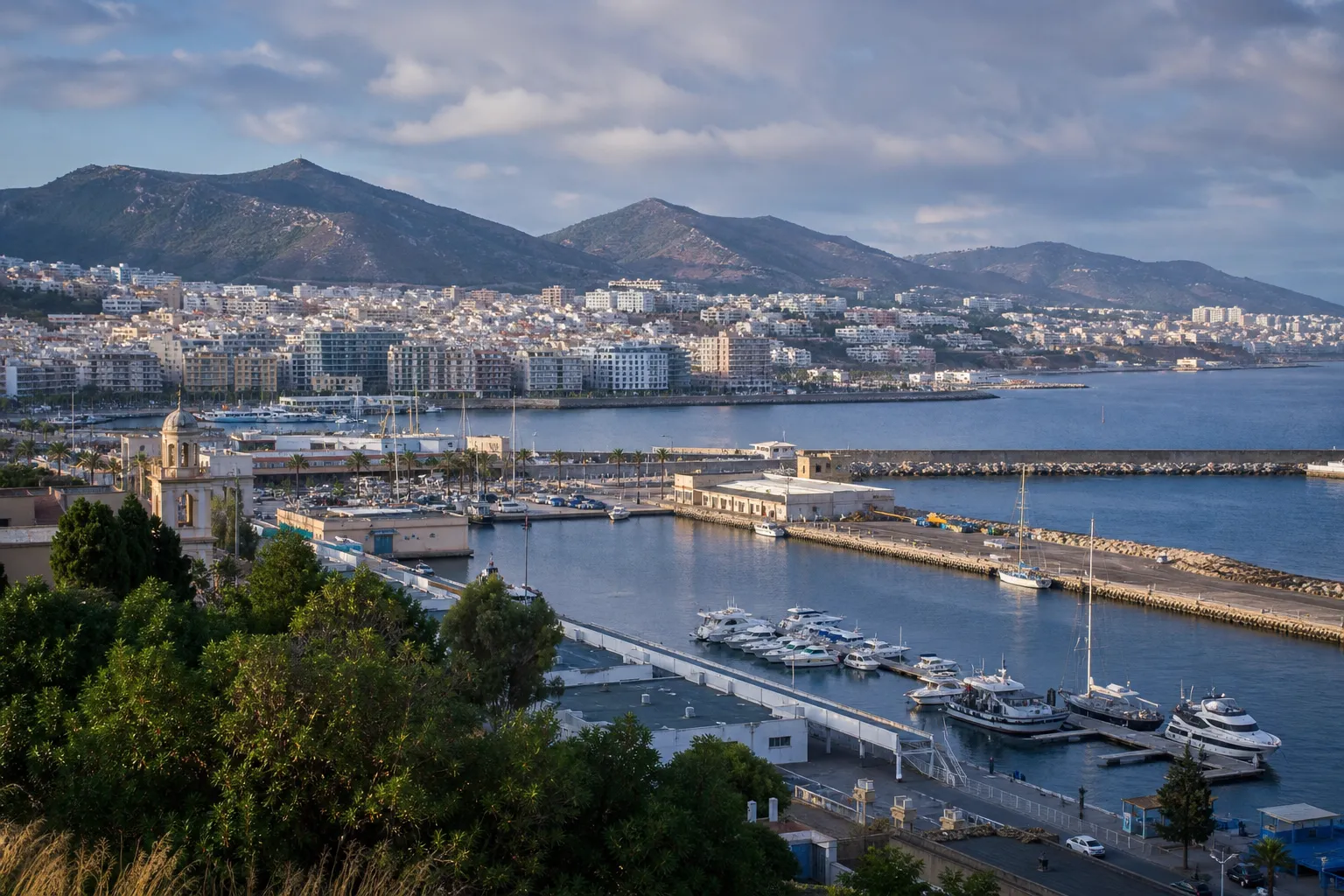
A humanitarian and political crisis has unfolded in Spain's Ceuta, an autonomous Spanish territory in North Africa, following a mass crossing of the border from Morocco. At the end of July, around 70,000 people arrived in Ceuta, while 142 people died while trying to enter the territory, including from drowning and crushes.
Most survivors voluntarily returned to Morocco or were returned there. At the same time, thousands of people remained on the streets of Ceuta due to a lack of places in reception centers. According to YLE News, the crisis has become one of Spain's biggest political problems this year and has increased pressure on the left-wing government of Prime Minister Pedro Sánchez.
Protests and dispute over the border
Demonstrations were held in Ceuta and major Spanish cities, with participants demanding the resignation of Sánchez and the entire left-wing government. Right-wing opposition forces accuse the authorities of being unable to protect the southern border of Spain and Europe. Counter-demonstrations against racism toward the arriving people were held in parallel.
Sánchez told parliament that there was no evidence of Morocco's involvement in the mass border crossing. At the same time, a recently published government report states that Moroccan officials were unusually lenient toward the July events and may have facilitated the border crossings. Similar testimony was given by people who crossed the border.
More current news is available on the UA.News Telegram channel Telegram.
The port is planned to be used to receive people
On Saturday, Spain's central government said it would take control of Ceuta's port to establish a reception center there despite objections from local authorities. It plans to accommodate more than a thousand people who had been living on the city's streets because existing facilities were overcrowded.
Central authorities explained the need for the center by the necessity of registering people who remained in Ceuta and beginning a possible procedure for their return to Morocco. Local authorities, however, fear that the arrivals will remain in the city. They include minors, including girls. According to the authorities, more than a thousand minors arrived in Ceuta.
Human Rights Watch, after interviewing arrivals in mid-August, said that many people had been denied the right to a proper asylum procedure, contrary to EU law. Amnesty International stressed that even an exceptional number of arrivals does not release Spain from its obligation to comply with international law.


