
Levin promises to reshape Israel’s Supreme Court if the right wins — Jerusalem Post
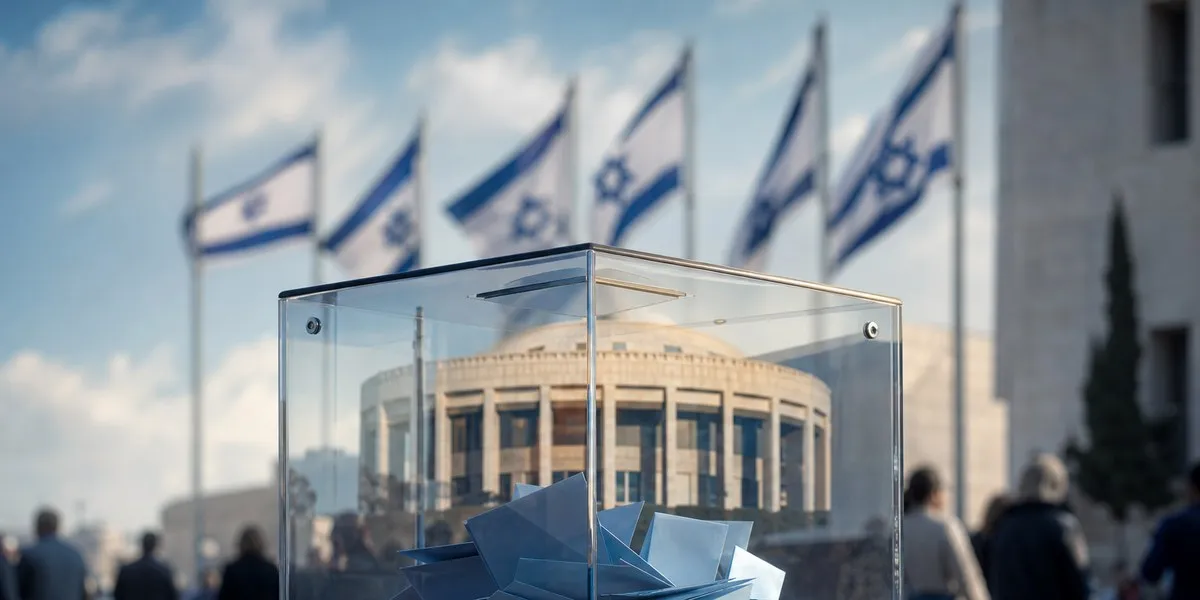
Israeli Justice Minister Yariv Levin stated that a victory by right-wing forces in the October 27 election could lead to significant changes in the composition of the Supreme Court and the country’s entire judicial system. He said this at the “Law and Power in the Land of Israel” conference in Jerusalem, the Jerusalem Post reports.
Levin called the upcoming election a historic opportunity to continue the judicial reform he has been advancing since the current government took office. According to him, two-thirds of Supreme Court justices could be replaced during the next term, which, in his view, would create an opportunity to change the institution’s ideological composition.
Statements on judicial appointments
The minister claimed that the judicial system previously had mechanisms that prevented candidates with different political views from being appointed. He also said that about one-third of judges in Israel’s courts had been appointed under his leadership during the current government’s tenure, but that the greatest resistance to changes, according to him, remains in the Supreme Court.
Levin linked the significance of the election to issues of security, national identity, immigration policy, and the structure of the judicial system. He promised to continue the campaign to reform the judiciary.
More current news is available on the UA.News Telegram channel Telegram.
Conflict with the judicial system
The statement came amid Levin’s prolonged confrontation with the judiciary over appointments. In June, the High Court of Justice ordered the minister to convene the Judicial Selection Committee after lengthy delays in appointments. In a separate ruling, the court also held that Levin must cooperate with Supreme Court President Yitzhak Amit on appointments and other administrative matters.
In September, 79 judges and senior judicial registrars took the oath of office after an 18-month pause. At the same time, 11 of the 15 justices provided for by law were serving on the Supreme Court.
The dispute also concerns a law passed in March 2025 that changes the composition of the Judicial Selection Committee starting with the next Knesset. Supporters of the law believe it will make the appointment procedure more representative, while critics, including Attorney General Gali Baharav-Miara, warned of the risk of increased political influence over judicial selection.




