
Louis Vuitton closed five stores in China in two years — Channel NewsAsia
French fashion house Louis Vuitton has closed five stores in mainland China over the past two years, including a chocolate boutique in Shanghai. Parisian department store Galeries Lafayette also closed its flagship store in Beijing in May, Channel NewsAsia reports.
After shrinking by as much as 19% in 2024, the market for personal luxury goods in mainland China declined by a further 3–5% in 2025, according to Bain & Company. At the same time, the country’s pre-owned luxury goods segment grew by 15–20% in 2025.
Demand shifts to the secondary market
Chinese consulting firm Insight & Info Consulting estimates sales in the pre-owned luxury goods market at 38.4 billion yuan, or $5.7 billion, in 2025. The company forecasts that this figure could exceed 100 billion yuan by 2030.
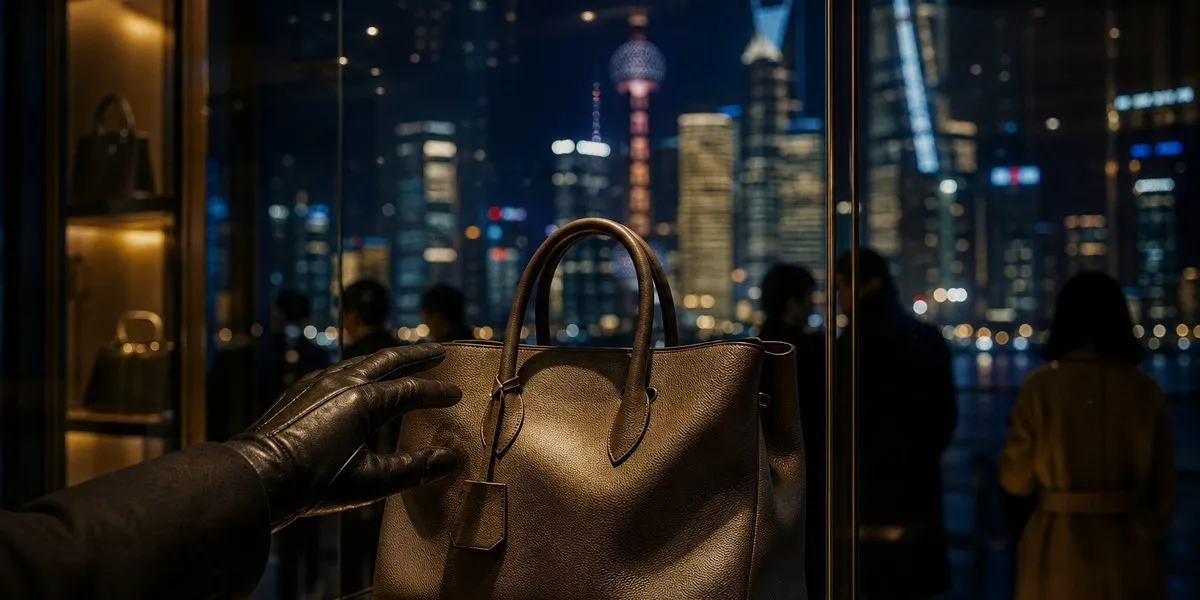
At the Super Zhuanzhuan store in Shanghai, which sells pre-owned luxury bags, belts and jewelry, shoppers must wear black gloves to avoid touching merchandise with greasy fingers. Store visitors interviewed by AFP said they are increasingly paying attention not to the amount spent, but to whether a purchase is good value.
More current news is available on the UA.News Telegram channel Telegram.
A challenge for Western brands
Chen Luo, head of China consumer market research at Bank of America, noted that shoppers in China are increasingly less likely to associate luxury exclusively with social status. According to him, self-expression, uniqueness, experience, quality, emotional value and cultural relevance are coming to the fore.
LVMH attributed a decline in organic sales at its fashion and leather goods division in the third quarter to weaker demand in China. An additional factor for Western brands was the controversy surrounding LVMH’s lawsuit against Chinese beverage chain Molly Tea over its use of a four-petal pattern similar to the French group’s monogram. The lawsuit sparked criticism on the Chinese internet and in state media, which drew attention to the motif’s connection with traditional Chinese ornaments.
Despite the downturn, Chen Luo considers China an important market for the global luxury industry, although it may not be its growth driver in the next two to three years.




