
Monaco, Bulgaria, and the Vingir Islands have been added to the FATF's gray list for money laundering
From June 17 to 19, the Sixth Plenary Meeting of the Financial Action Task Force (FATF) was held in Paris, chaired by Mexican President Elisa de Anda Madrazo. During the meeting, a wide range of initiatives to strengthen the global fight against illicit financing were agreed upon.
This was reported by the FATF.
Delegates from across the FATF Global Network, comprising more than 200 jurisdictions and observers, gathered to discuss evolving threats to global financial integrity and security.
The plenary session adopted the reports from Canada and Turkey as part of a new round of mutual evaluations.
The FATF removed Algeria and Namibia from its list of jurisdictions under enhanced monitoring, following successful on-site visits, and updated its statements regarding jurisdictions under enhanced monitoring, as well as those subject to a call for action.
The main news was the update to the “gray list.” Bosnia and Herzegovina was added to it, and Iraq was once again placed under enhanced monitoring after having previously been removed from the list. At the same time, Algeria and Namibia successfully met the FATF’s requirements and were removed from the list.
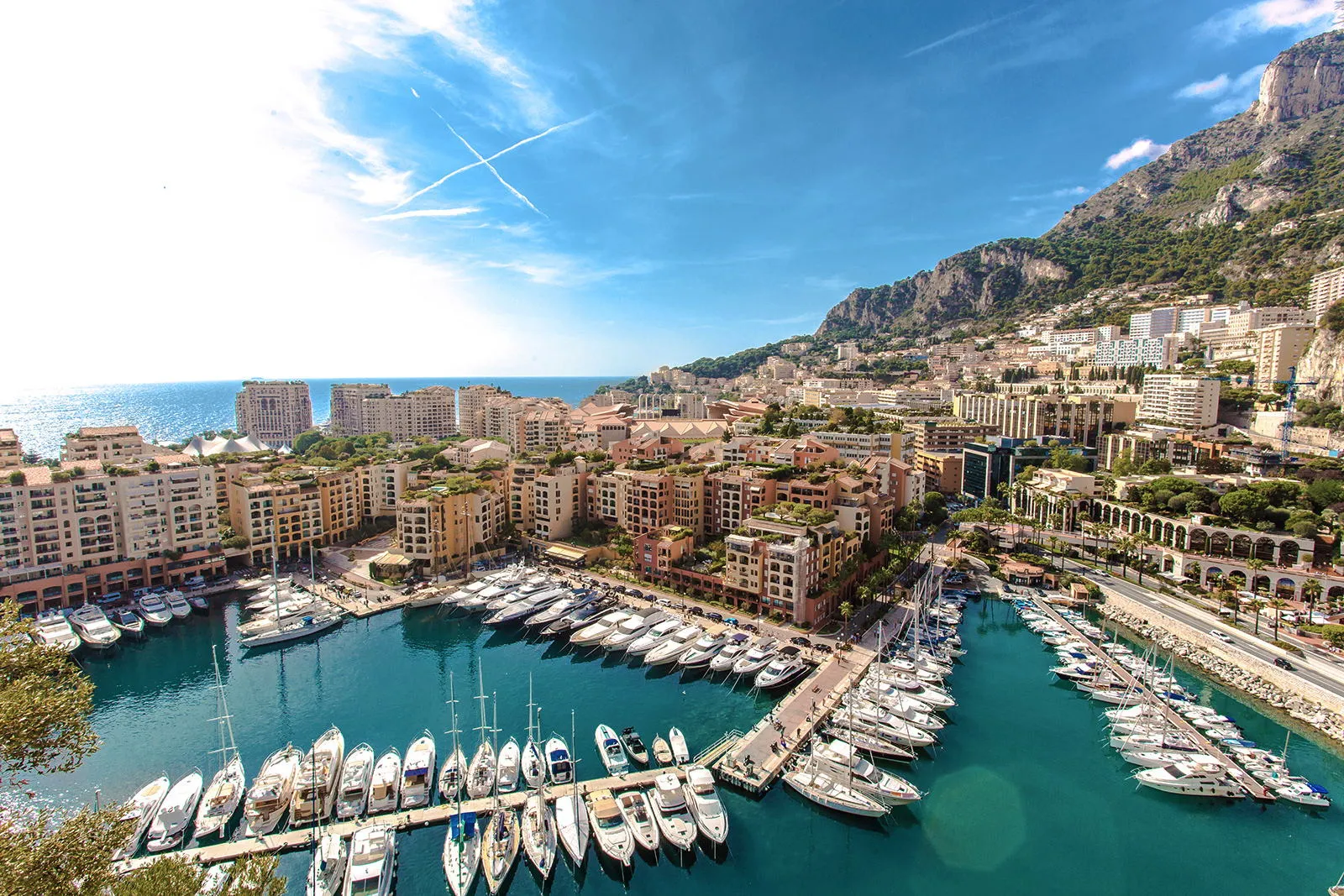
Today, the “gray list” includes 22 jurisdictions, among which are not only Iraq, Lebanon, and Syria, but also such unexpected entries as Monaco, Bulgaria, and the British Virgin Islands. This status does not in itself imply sanctions, but it does create significant challenges for the country. Banks and partners begin to view such markets with much greater caution, and working with the international financial system becomes less convenient.
Meanwhile, the “blacklist” remains unchanged. It still includes Iran, North Korea, and Myanmar. And while the “gray list” signals heightened risks, the “blacklist” signifies the harshest possible stance by the international financial system.
As a reminder, the number of money laundering cases in Ukraine has risen to a record high.
In Denmark, prosecutors are seeking a record fine against Nordea in a money laundering case.
A lawyer denies Yermak’s involvement in the laundering of 460 million hryvnias.


