
MyJoyOnline: Africa’s economic systems must account for women’s unpaid work
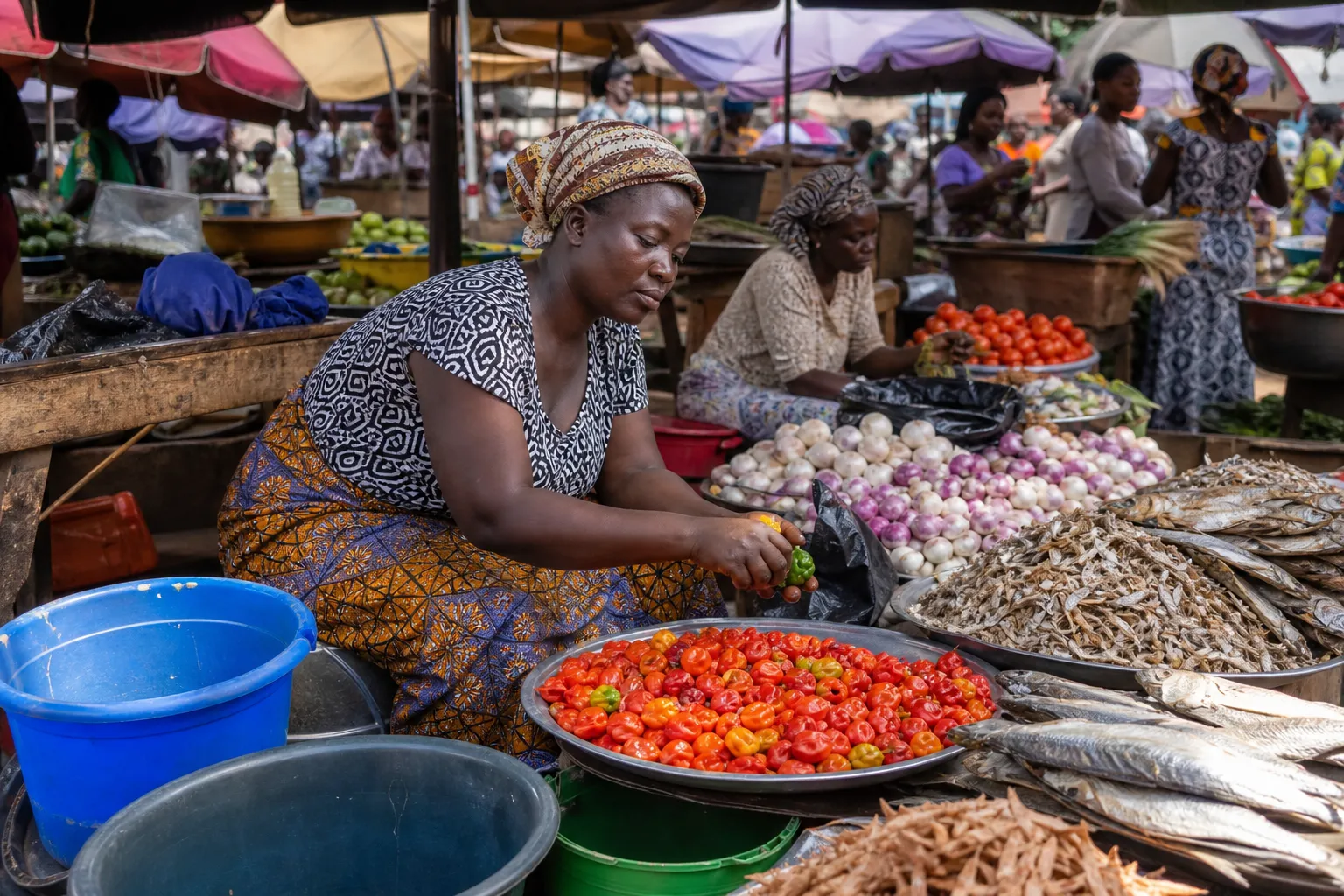
Economic systems in African countries must not only recognize women’s contributions but also account for their unpaid work, access to resources, and influence on decision-making. This position was expressed by the author of an article published by MyJoyOnline.
The author notes that millions of women across the continent support economies and communities through trade, work in cooperatives, home-based businesses, agriculture, and mutual aid networks. At the same time, childcare and care for older people, household management, cooking, and water provision often remain unpaid and are not reflected in national economic indicators.
Women’s self-organization
The article states that the term “informal economy” may create a false impression that this sector is unorganized. According to the author, women have created their own mechanisms for trade, financing, dispute resolution, and social protection.
More current news is available on the UA.News Telegram channel Telegram.
Women’s tontines in Senegal are cited as an example — collective savings mechanisms that provide financial services and social support outside the formal banking system. In Nigeria, associations of women traders, as described by the author, also serve as platforms for political self-organization, negotiations with the authorities, and the protection of livelihoods.
In Ghana, market queens regulate supply chains, mediate disputes, and influence economic processes. In Kenya, women’s savings groups and digital financial networks expand access to financing, while women’s cooperatives in Ethiopia and Morocco strengthen the bargaining positions of their members.
Proposed changes
The author cautions against viewing women as a homogeneous group, as their opportunities are also affected by class, ethnicity, place of residence, migration status, age, and disability. He proposes investing in childcare, healthcare, water infrastructure, and other public services that can reduce the burden of unpaid work. Other areas mentioned include developing social protection for workers regardless of employment status and supporting women’s organizations and civic movements.




