
Scientists have reconstructed the face of a person who lived 315,000 years ago
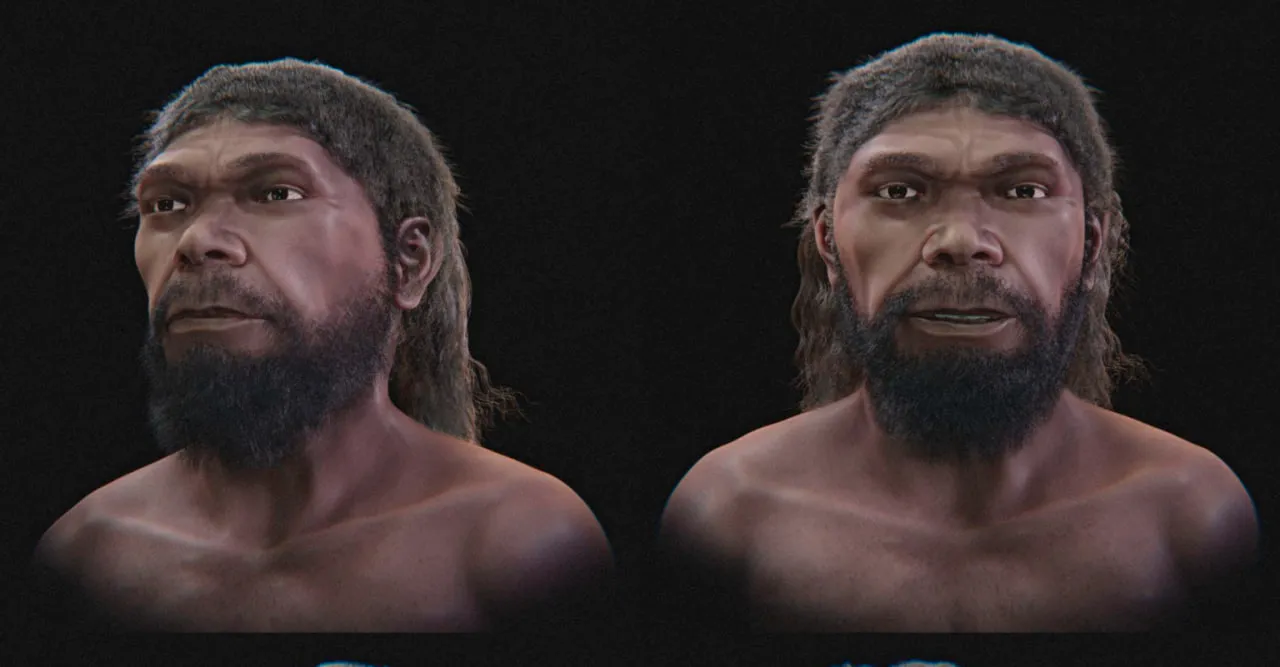
Researchers have reconstructed the appearance of one of the oldest known members of the Homo sapiens species, who lived about 315,000 years ago. To create the reconstruction, they used fossil fragments discovered in the Jebel Irhoud region of Morocco.
The scientists created a digital image of a man with dark skin, long black hair, a thick beard, deep-set eyes, and a broad nose. At the same time, the researchers caution that the fossil remains do not allow for the precise determination of all physical features, so certain details of the reconstruction are based on assumptions.
“The Jebel Irhoud archaeological site contains the oldest fossils attributed to Homo sapiens, dating back approximately 315,000 years,” according to a study published in the journal Heritage.
Scientists reconstructed the face based on a 3D model of the skull, which was created from fragments of remains found at a mining site in Morocco. When the skull was first discovered in the 1960s, archaeologists believed it belonged to a Neanderthal and was about 40,000 years old.
In 2017, scientists revisited these conclusions and determined that the find is approximately 315,000 years old and belongs to Homo sapiens. This changed our understanding of the early history of our species, as it turned out that Homo sapiens existed at least 100,000 years earlier than previously thought.
For the new reconstruction, the researchers combined scans, photographs, and videos of the skull fragment with fragments of the jaw and teeth found nearby. Based on this, they created a three-dimensional model of the skull.
The team then used an anatomical template of a modern human and digitally adapted it to the shape of the fossils. Afterward, they added approximate layers of muscle, fat, and skin to the model.
As a result, the scientists created two versions of the face. The first is a scientific reconstruction in shades of gray, which shows the anatomical structure of the skull. The second is a realistic color portrait featuring skin, hair, and a beard.
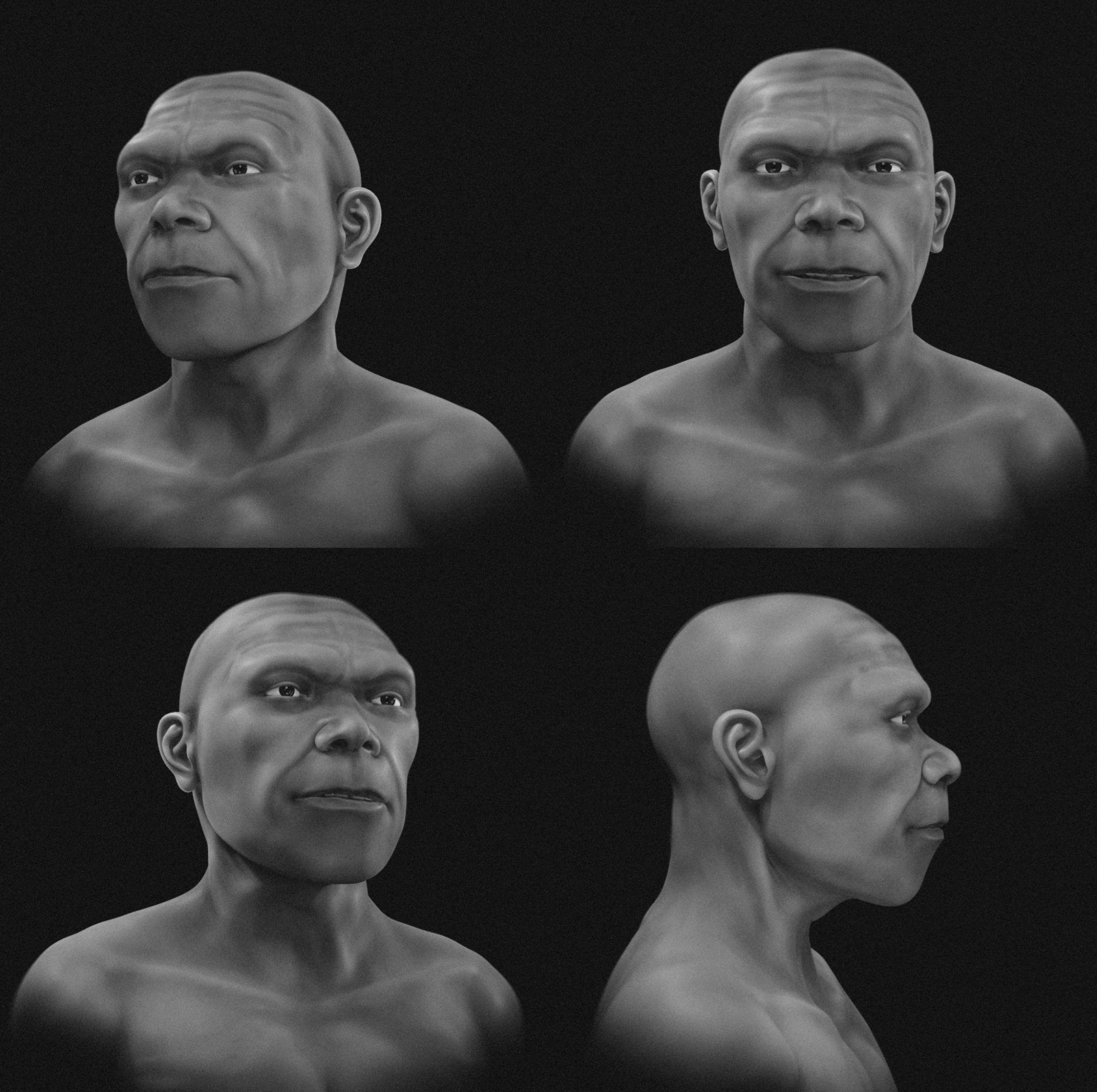
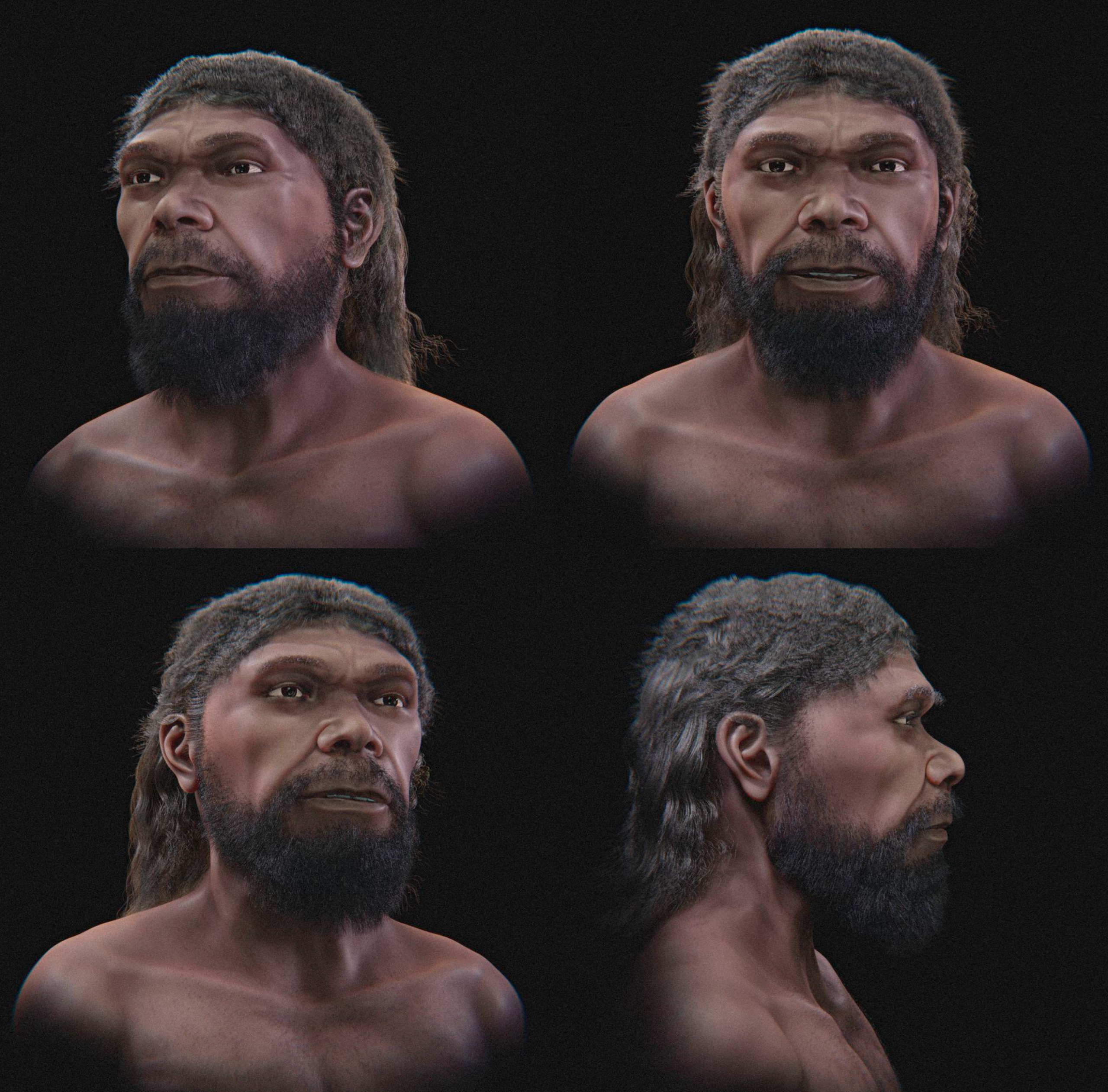
The authors of the study noted that the realistic portrait cannot be considered an exact replica of a specific person’s appearance.
Skin color, hairstyle, beard, and certain other features cannot be determined directly from the fossils. These details were selected based on anthropological data about ancient and modern human populations to show what a person who lived in North Africa about 315,000 years ago might have looked like.
Furthermore, the fragments used to create the complete skull model likely belonged to several different individuals. Therefore, the reconstruction does not depict a specific member of Homo sapiens, but rather an approximate image of a person from that period.
Source: Daily Mail.
Scientists have created a genetic map of Homo sapiens’ migration out of Africa.
Scientists have also reconstructed the appearance of a native Briton.




