
Union leader proposes moving exams due to heat — The Guardian
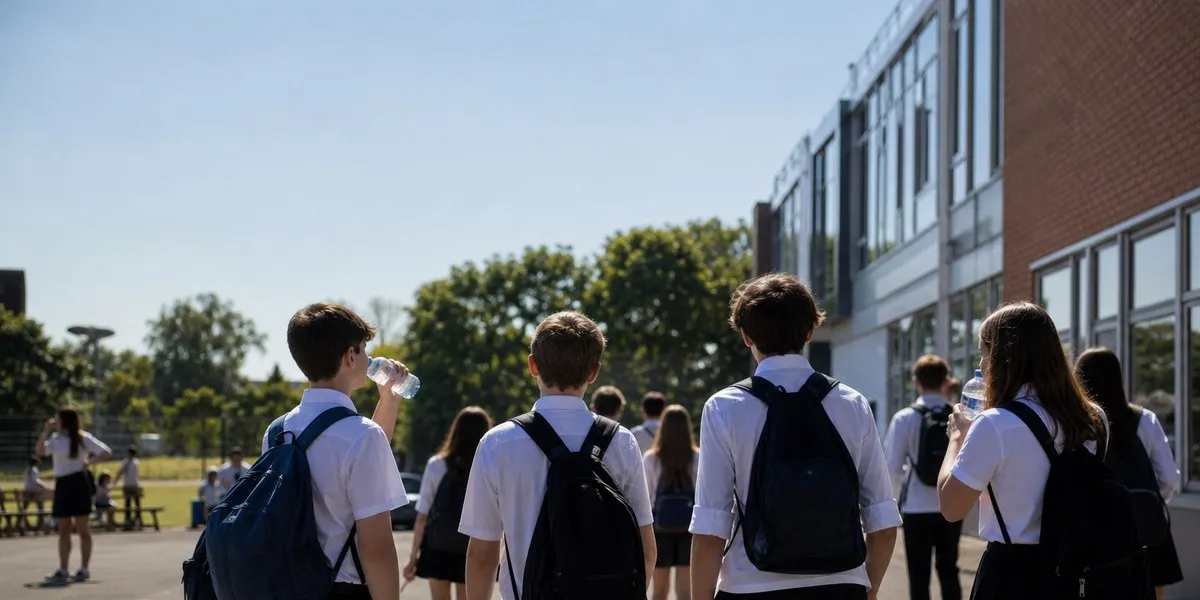
In the United Kingdom, Daniel Kebede, general secretary of the National Education Union, proposed that schools review the start and end times of lessons, the holiday schedule and the holding of exams in order to adapt to more severe heatwaves. The Guardian reports.
According to Kebede, temperatures in classrooms exceeded 40°C this summer, and hundreds of thousands of pupils were sent home. The union leader called on the government to launch a large-scale programme to modernise school buildings, which, in his view, were built for a different climate and are not adapted to extreme heat.
Changing the school year
Kebede said the country needs a serious discussion about the continuity of education amid a warming climate. Among the possible solutions, he named changing the school year, longer summer holidays, earlier starts and finishes to lessons, as well as moving exams from the hottest part of the year.
More current news is available on the UA.News Telegram channel Telegram.
He said that during summer heatwaves, the union received numerous appeals from teachers who feared for their own safety and that of pupils. Kebede compared the level of concern among education workers to the period of the COVID-19 pandemic.
Loss of learning time
During the June heatwave, at least 760,000 schoolchildren in England and Wales missed lessons because educational institutions were closed. Pupils lost more than 15 million hours of learning. School staff told the publication that record temperatures made it difficult for children to concentrate, and the educational process was effectively disrupted.
Unequal impact of heat
Kebede also warned that the effects of extreme weather are felt disproportionately by children from less affluent urban areas. According to him, schoolchildren are often sent home to flats unsuitable for heat, while parents or guardians cannot always work remotely or take time off. He warned that without upgrading schools, institutions in wealthier areas will have more opportunities to protect pupils from the heat.




