
US prosecutors to present Cornell violence allegations to grand jury — The Hill
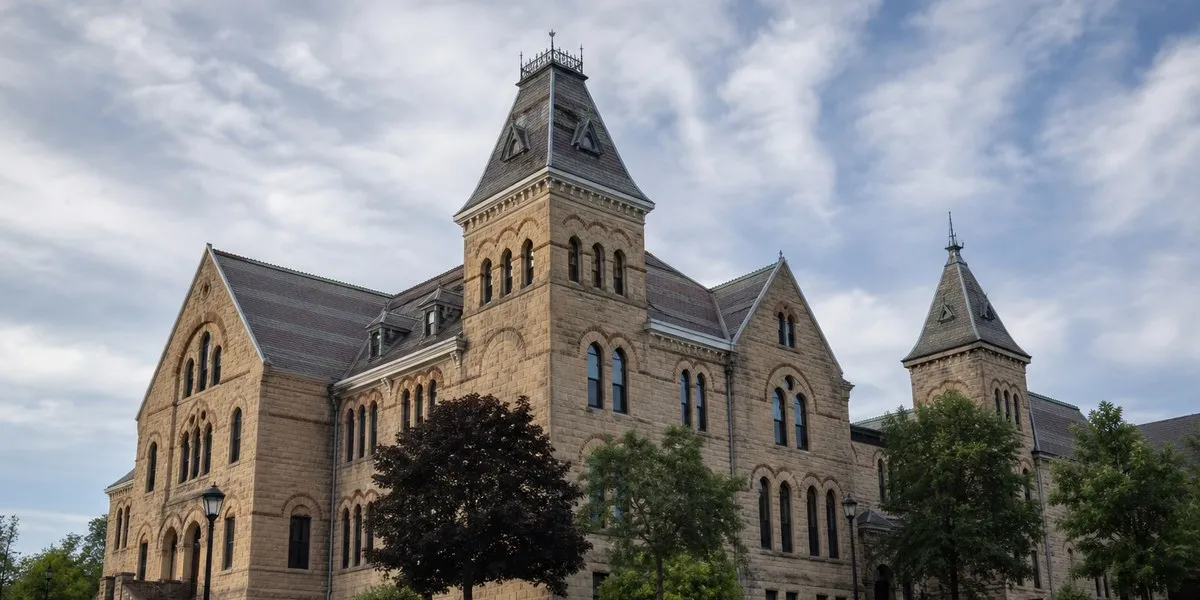
The Tompkins County District Attorney’s Office in the United States plans to present to a grand jury a case based on a complaint by a former Cornell University student, who accused seven members of the Chi Phi fraternity of allegedly giving her ketamine and sexually assaulting her in 2024. This was reported by The Hill.
A grand jury will review the materials
The anonymous plaintiff filed a civil lawsuit earlier this month. According to her account, she went to the fraternity house to visit a friend while intoxicated. She claims that two fraternity members pressured her to take a drug before the alleged assault.
According to the source, about three weeks after the incident, the student reported it to Cornell University police. Tompkins County District Attorney Matthew Van Houten said that the allegations set out in the civil lawsuit differ significantly from the woman’s statement to police two years ago. According to him, the earlier statement did not mention drugs or a lack of consent to sexual activity.
Van Houten also said that his office did not conduct an independent investigation into these allegations at the time.
More current news is available on the UA.News Telegram channel Telegram.
Positions of the parties and the university
The prosecutor said that a group chat attached to the lawsuit was not provided to his office in 2024. The plaintiff claims that fraternity members discussed the alleged assault in the messages. Her lawyer called the messages important evidence and said that law enforcement had them during the initial review.
The lawyer for one of the defendants, Scott Kretzschmar, denied the allegations and said that the described incident did not occur. Cornell University said that its Office of Civil Rights and Office of Student Conduct separately investigated the case in 2024. The Chi Phi chapter is still barred from campus; two of the seven men whom the plaintiff considers involved were expelled, while the others received less severe disciplinary sanctions.
The university said it supports the prosecutor’s decision to give a grand jury the opportunity to review the complainant’s account of the 2024 case.




