
Wheat and grapes changed the soils and water of South Africa’s Western Cape Province
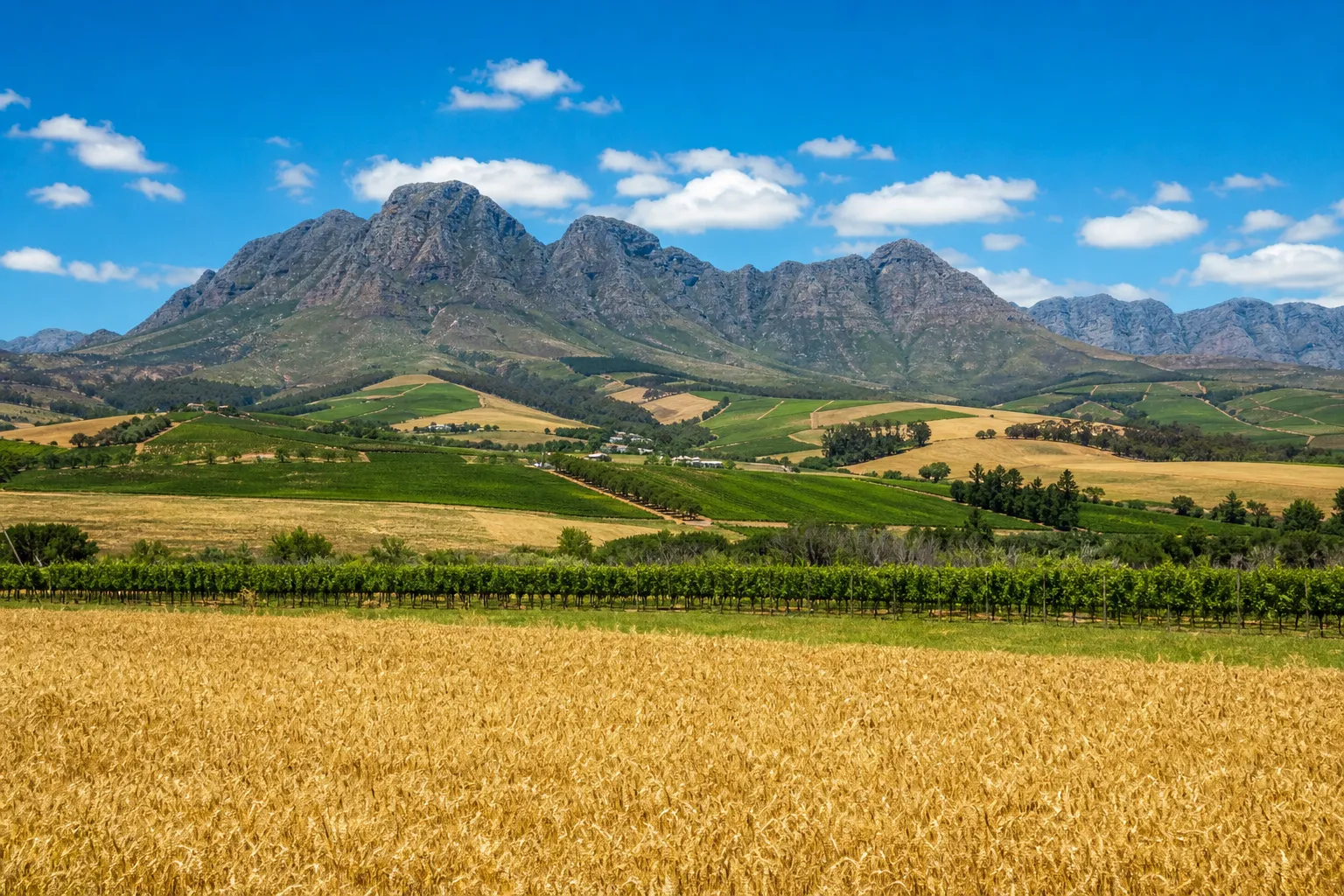
In South Africa’s Western Cape Province, large-scale cultivation of wheat and grapes has changed soils, water resources and the food that ends up on people’s plates. Daily Maverick has launched a series of articles on the origins of these crops and their impact on the region’s nature and people.
The authors write that wheat and grapes are introduced species in the Western Cape Province. Growing them on a large scale required substantial areas of land, which were cleared, ploughed and planted. These territories were previously home to renosterveld and fynbos, plant communities of the Cape region. The article also mentions people who already lived on these lands and were forcibly displaced or enslaved.
Bread before agriculture
Archaeologists found charred crumbs of flatbread at the Shubayqa hunter-gatherer site in the basalt desert of northeastern Jordan. They date them to about 14,400 years ago — roughly four thousand years before people began deliberately planting seeds.
Early bakers ground wild wheat, barley and tubers of a plant referred to in the source as club-rush, mixed the flour with water and baked bread on hot stones. About 10,000 years ago, people in the Fertile Crescent domesticated wild cereals, including einkorn and emmer. Egyptians left dough overnight; it rose thanks to wild yeast, after which they baked leavened bread from it.
More current news is available on the UA.News Telegram channel Telegram.
Wine and wild yeast
The earliest chemical traces of grape wine — tartaric acid on the inner surfaces of clay vessels — come from Neolithic settlements in present-day Georgia and date to around 6000 BCE. Slightly later vessels were discovered in the Zagros Mountains in Iran.
As the publication notes, Saccharomyces cerevisiae yeast plays an important role in the production of bread and wine: it consumes sugar and produces carbon dioxide and alcohol. In dough, the gas helps bread rise, while alcohol is formed during the fermentation of grape juice. The grapevine, domesticated in the Caucasus, spread through Mesopotamia and Egypt, while cereals eventually reached the Cape region along with human migrations.
The next articles in the series will focus on the consequences of monoculture cultivation of wheat and grapes for the vegetation and soils of the Cape region, as well as the use of chemicals and fertilizers on farms.




