
South Korean court lets Russian applicant stay during asylum review — Korea Herald
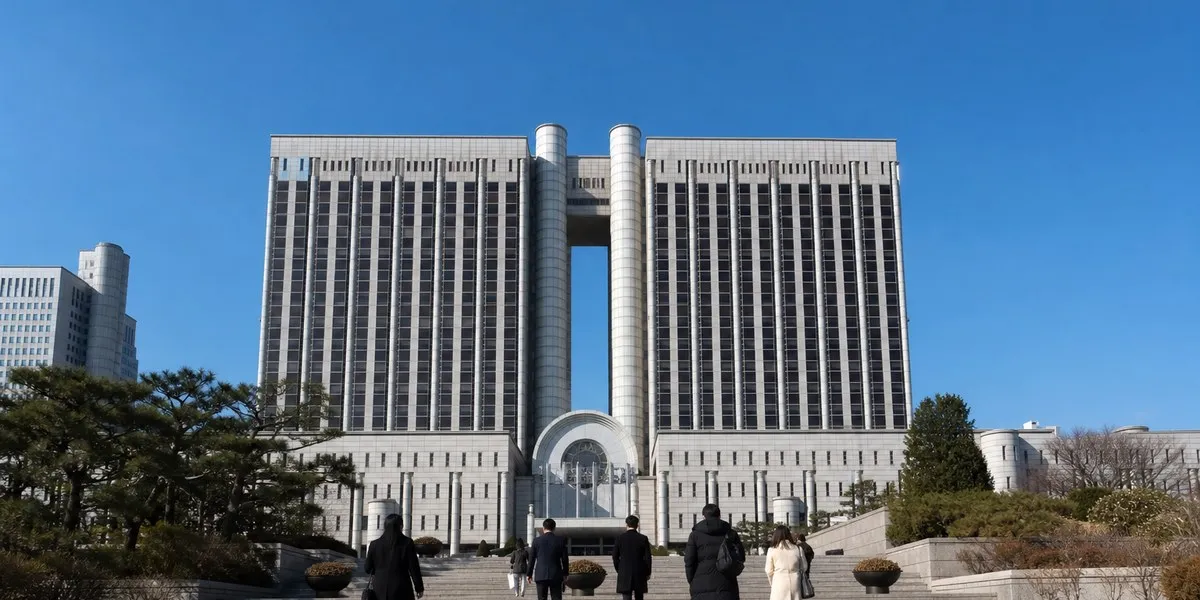
A court in Incheon, South Korea, has overturned an immigration service decision not to extend the temporary stay of an applicant from Russia who is seeking asylum. The court noted that the person may face adverse attention from the authorities of the Russian Federation, an aggressor state, due to repeated participation in protests against Russia’s war in Ukraine and President Vladimir Putin, Korea Herald reports.
Court ruling
The Incheon District Court overturned the Incheon Immigration Service’s January decision. The ruling became final after the immigration authorities decided not to file an appeal. This allows the applicant to remain in South Korea while their application for refugee status is reconsidered.
The person arrived in South Korea in November 2018 and first applied for recognition as a refugee in 2019. After that application was denied, the applicant filed another application in January and requested permission for temporary stay in the country.
More current news is available on the UA.News Telegram channel Telegram.
Foreign agent status
The applicant insisted that the Russian authorities’ designation of them as a so-called foreign agent should serve as grounds for a reassessment of the asylum request. In the Russian Federation, an aggressor state, such a status may be assigned to people who receive support from abroad or are considered to be under foreign influence. It entails significant administrative requirements, including detailed reporting and mandatory inspections.
The court noted that the applicant took part in hundreds of protests against the war, the Russian authorities and Putin, and photographs from these actions were published by local media and on social networks. The court also took into account that the Russian authorities identified and disclosed the applicant’s personal social media account.
In 2024, the European Court of Human Rights ruled that Russia’s foreign agents system violates rights, including freedom of expression, freedom of association and the right to respect for private life.




