
August 8, 2026 — Ophthalmologist Day: History and Interesting Facts

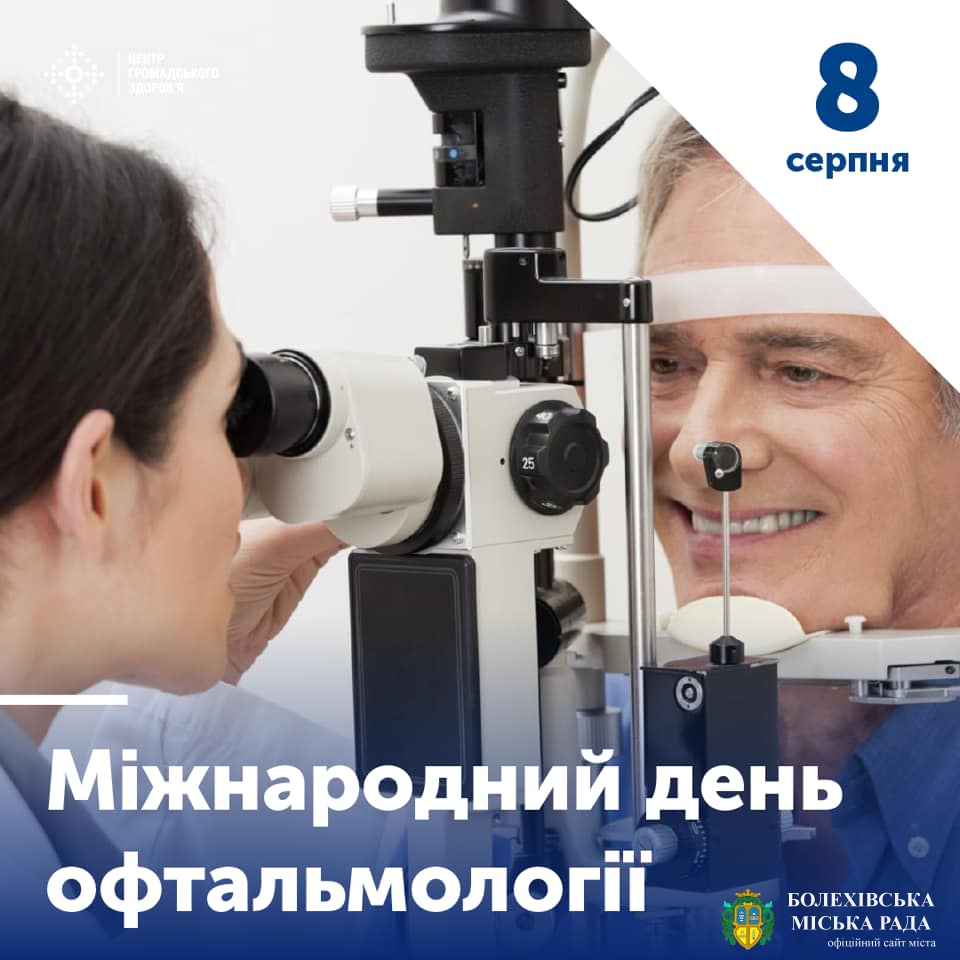
Every year on August 8, International Ophthalmology Day, also known as Ophthalmologist Day, is celebrated. This is a professional holiday for doctors who specialize in eye health, diagnose eye diseases, and perform complex surgeries. The holiday was established in 2004, and the date was chosen for a reason—August 8 is the birthday of the renowned ophthalmologist and surgeon Sviatoslav Fedorov.
International Ophthalmology Day falls on August 8 every year. In 2026, it will be a Saturday. The date is a professional observance and is not an official public holiday. The holiday is dedicated to doctors who help people preserve and restore their vision. Ophthalmologists do more than just prescribe glasses or contact lenses. They diagnose eye diseases, treat cataracts, glaucoma, retinal and corneal diseases, and other conditions, and perform microsurgical procedures.
Ophthalmology Day also serves as a reminder of a simple truth: it’s best to detect vision problems as early as possible. Some conditions can develop almost imperceptibly over a long period of time. That’s why regular eye exams are important even when a person doesn’t experience any obvious problems.
How This Holiday Came to Be
International Ophthalmology Day was first observed in 2004. The initiative originated within the professional community of ophthalmologists and was intended to draw more attention to the work of doctors who specialize in eye care. August 8 was chosen as the date—the birthday of Svyatoslav Fedorov, one of the renowned surgeons who contributed to the advancement of ophthalmology and eye microsurgery. The idea was supported by specialists from various countries, including doctors and scientists from Italy, the Czech Republic, the United States, Greece, Hungary, and Venezuela.

At the same time, it is worth clarifying: the name “International Ophthalmology Day” may give the impression that this is an official global day established by an international organization. In reality, it is an unofficial professional observance celebrated in various countries. For example, the Australian Society of Ophthalmologists also runs its own campaign, World Ophthalmologist Day, on August 8.
Who Is Sviatoslav Fedorov
Sviatoslav Fedorov was born on August 8, 1927, in Proskuriv—now Khmelnytskyi. He initially dreamed of becoming a pilot, but after an injury that caused him to lose a foot, he chose medicine. Fedorov eventually became an ophthalmologist and devoted a significant portion of his professional life to eye surgery. One of his areas of focus was the development and use of artificial lenses. In 1960, Fedorov successfully performed surgery to replace a damaged natural lens with an artificial one. This advancement became an important part of the subsequent development of cataract surgery.
Fedorov is also known for his work on radial keratotomy—a surgical technique used to correct nearsightedness. His name is also associated with the development of surgical methods for treating glaucoma. The history of ophthalmology documents his work on radial keratotomy in the late 1970s. It was Fedorov’s professional contribution that was one of the reasons his birthday was chosen as Ophthalmology Day.
Why the Work of an Ophthalmologist Is So Important
The eye is a very complex organ, and vision provides a person with a vast amount of information about the surrounding world. Therefore, even a slight decline in vision can significantly impact daily life. It becomes harder to read, work on a computer, drive a car, or simply navigate one’s surroundings. An ophthalmologist helps not only when a person’s vision has already deteriorated. A doctor can detect diseases at an early stage, when symptoms are still almost imperceptible. This is especially important for conditions such as glaucoma, where damage to the optic nerve can develop over a long period of time without obvious symptoms.
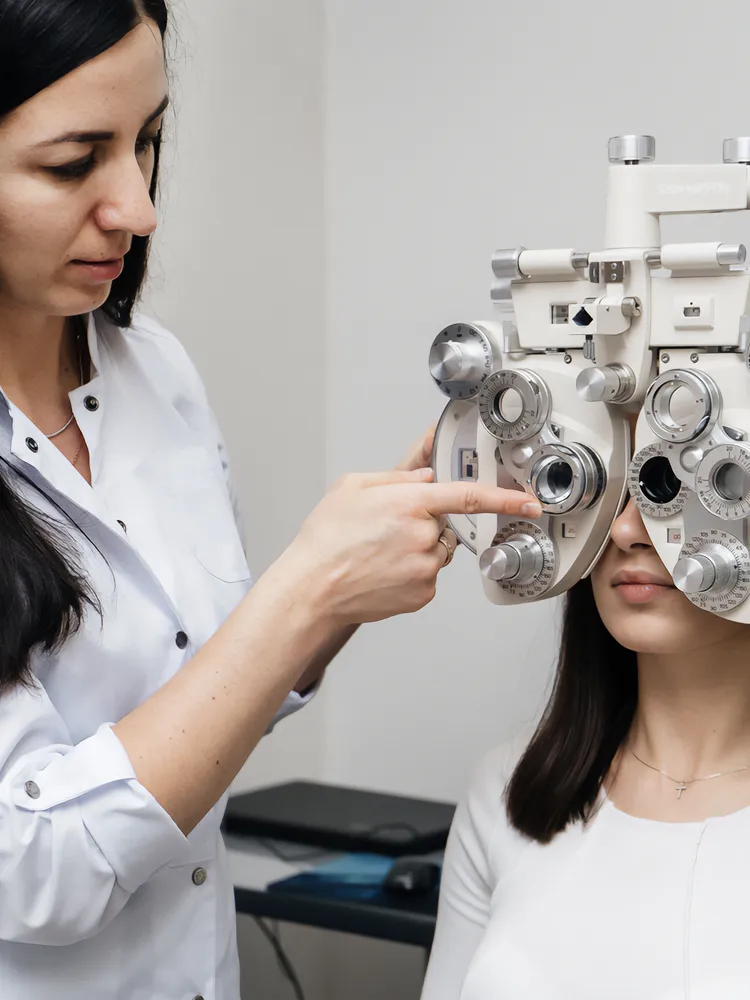
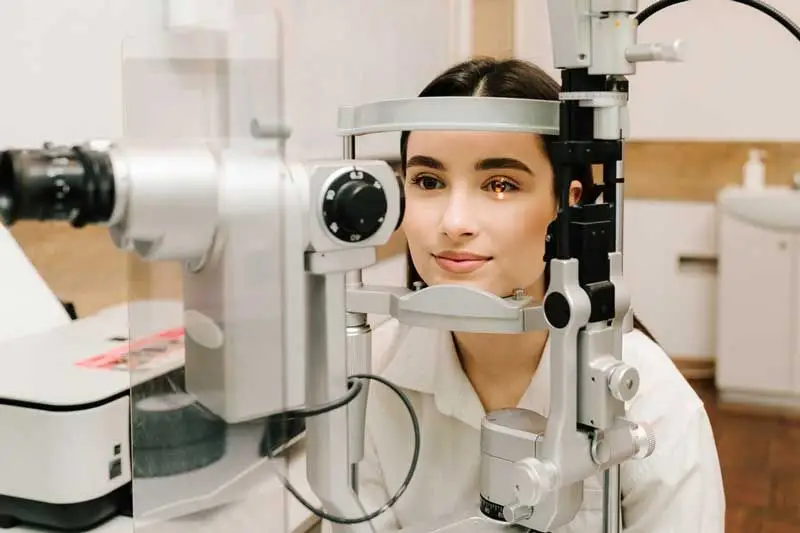
Modern ophthalmology has long gone far beyond a simple visual acuity test. Doctors use special instruments to examine the retina, measure intraocular pressure, and assess the condition of the cornea and other eye structures. Laser technologies, microsurgery, and modern implants are also used in medicine. That is why Ophthalmologist Day is not just an occasion to congratulate medical professionals. It also serves as a reminder to people about preventive care and the need to pay closer attention to their own vision.
Interesting Facts About Ophthalmology
The history of eye care predates modern medicine by a long shot. Descriptions of eye diseases can be found as far back as ancient Egyptian sources, and Hippocrates, as well as ancient physicians from India and China, wrote about vision problems. Over the centuries, ophthalmology has come a long way. Today, doctors can not only prescribe eyeglasses but also perform surgeries on the lens, cornea, retina, and other structures of the eye.
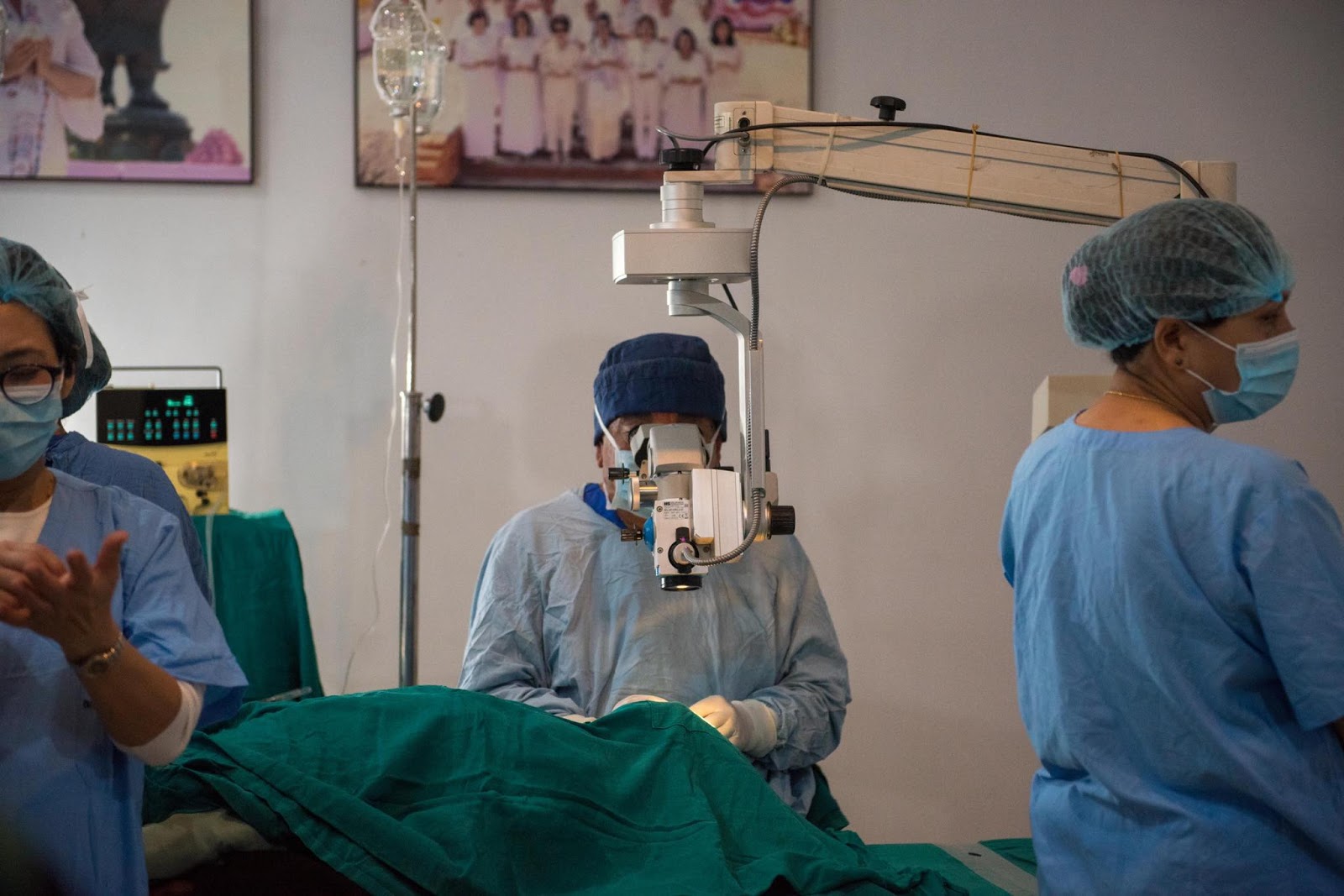
One of the most important inventions in this field has been the artificial lens. It is used, in particular, during cataract surgery. The idea of implanting an artificial lens originated as early as the 20th century, and the technology has since become a standard part of ophthalmic surgery. Another major field is laser medicine. Laser technologies are used today to treat various eye diseases and correct certain vision problems. At the same time, the specific treatment method always depends on the diagnosis and the patient’s condition.
Interesting fact: Ophthalmology is closely linked not only to medicine but also to modern technology. Research on the eye helps scientists better understand how the nervous system works, and new imaging methods allow us to literally look inside the eye and see its structures with high precision.
How Ophthalmologist Day Is Celebrated
Different countries celebrate this day in different ways. Since there is no single mandatory format for the celebration, medical institutions and professional organizations decide for themselves what events to hold. On this day, professional conferences, lectures, seminars, and meetings of doctors may be organized. Specialists discuss new diagnostic methods, modern equipment, and research findings. Such events help doctors exchange experiences and keep up with developments in the field.
Another important focus is public education. People are reminded of the need to have their vision checked, use contact lenses properly, follow their doctor’s recommendations, and not ignore changes in their vision. In some places, consultations or preventive screenings are held on this day. This was precisely the idea behind the first initiatives related to Ophthalmology Day: to draw attention to vision problems and help people receive medical care in a timely manner.
For the average person, the best way to mark this day can be very simple—schedule a routine eye exam if it’s been a while since your last one. You can also thank the ophthalmologist who has helped you or your loved ones.
What’s Important to Remember About Eye Health
Ophthalmologist Day is a good reminder that your vision deserves just as much attention as any other aspect of your health. Don’t wait until it becomes difficult to read or see objects from a distance. Regular checkups help you spot changes early and start treatment. It’s especially important to see a doctor if your vision suddenly worsens, if you experience flashes of light, a large number of new “floaters” in your field of vision, pain, redness, or other unusual symptoms. In such cases, it’s best not to self-medicate.
And on August 8, it’s worth simply saying a few kind words to the people who help their patients see the world more clearly every day. After all, the vision we take for granted is often the result of a doctor’s hard work, modern technology, and years of medical progress.




