
September 8, 2026 — International Literacy Day: History, Theme of the Year, and Interesting Facts
September 8 marks International Literacy Day—a date first established by UNESCO in 1966. In 2026, this day holds special significance, as it marks the 60th anniversary of its proclamation. This year’s events are dedicated to the theme “Literacy for People, the Planet, and Well-being” and are intended to remind us that access to reading, writing, and education remains an essential prerequisite for a normal human life.
International Literacy Day is celebrated annually on September 8. In 2026, it falls on a Tuesday. The choice of this date was no accident. In the mid-20th century, illiteracy remained a very serious problem for many countries. People without basic reading and writing skills had far fewer opportunities to get an education, find a job, access public services, and defend their rights.

UNESCO proclaimed International Literacy Day in 1966 during the 14th session of the organization’s General Conference. It was first observed in 1967. Since then, September 8 has become an annual occasion to discuss how accessible education is and what else needs to be done to ensure that people of all ages can learn. In 1967, the observance of this day was also supported by the United Nations Economic and Social Council. Thus, the issue of literacy gradually became not just an educational topic for individual countries, but an international issue.
Why Do We Need This Day?
At first glance, it may seem that the problem of literacy is a thing of the past. Most people today use smartphones every day, read messages, work with documents, and search for information online. But the problem has not gone away. According to UNESCO, in 2024, at least 739 million young people and adults worldwide lacked basic literacy skills. In addition, approximately four out of ten children do not reach the minimum level of reading proficiency. In 2023, 272 million children and adolescents were out of school.

Therefore, literacy is much more than just the ability to read a word or write a sentence. People need to understand what they read, work with information, use documents, critically evaluate messages, and make decisions based on the data they receive. Literacy also directly impacts everyday life. It helps people get an education, find a job, access healthcare and government services, understand their rights, and participate in society. UNESCO recognizes literacy as one of the fundamental human rights.
How International Literacy Day Came to Be
The idea of drawing the world’s attention to the problem of illiteracy was actively discussed even before the day itself was established. One of the key events was the World Congress of Ministers of Education on the Eradication of Illiteracy, held in Tehran in September 1965. Participants noted that illiteracy limits individual opportunities, hinders societal development, and requires joint international efforts.

A year later, UNESCO officially proclaimed September 8 as International Literacy Day. The first international events took place in 1967. Since then, every year on this day, UNESCO, national governments, educational institutions, and civil society organizations have held various events dedicated to the education of children and adults. Special attention is given to people who, due to poverty, war, forced displacement, distance from schools, or other circumstances, lack adequate access to education.
Literacy is no longer just about reading and writing
The very concept of literacy has changed significantly over the past few decades. Once, the main goal was to teach people to read and write. Today, that is not enough. A person may be able to read but not understand whether information on social media is true, may not know how to verify a source, or may not know how to use digital services safely. That is why there is increasing discussion of digital, media, and information literacy. This refers to the ability to use modern technologies, find the necessary information, verify it, understand the risks, and operate safely in the digital environment.
This is especially important in the age of social media, artificial intelligence, and an overwhelming amount of information. Today, literacy helps not only to read the news but also to ask a simple question: where did this come from, and can it be trusted? UNESCO also emphasizes that digitalization is changing the very concept of literacy. Reading and writing skills remain the foundation, but they are now complemented by the ability to work with digital texts, tools, and information.
What is the theme of International Literacy Day in 2026?
In 2026, International Literacy Day will be held under the theme “Literacy for People, the Planet, and Well-being.” This year’s date is also special because it marks the 60th anniversary of International Literacy Day. UNESCO is using this anniversary year not only to celebrate achievements but also to address the challenges that remain.
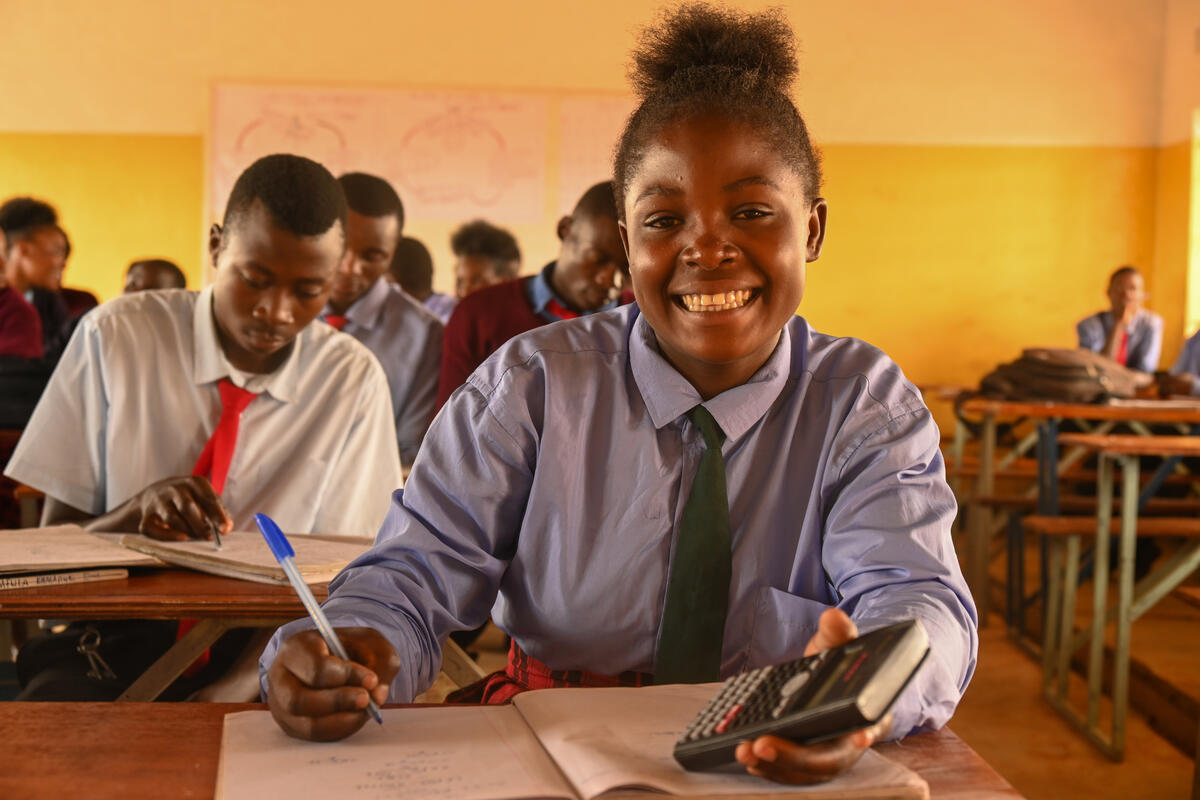
The main idea behind this year’s theme is to show that literacy affects more than just an individual’s personal opportunities. It is linked to economic development, social equality, access to employment and education, and people’s participation in the life of their communities. The organizers also want to highlight how literacy can help create a more sustainable and equitable society. In other words, it’s not just about how many people can read and write, but about how these skills can actually change lives.
Where the Main Events Will Take Place in 2026
The global celebration of International Literacy Day in 2026 will take place on September 8–9 in the state of Chiapas, Mexico. The event is being organized by UNESCO in collaboration with the Mexican government. Representatives of governments, educators, experts, schoolchildren, college students, and organizations working in the field of education are expected to attend. Participants will discuss achievements in recent years, challenges in accessing education, and possible solutions.

One of the highlights of the program will be the presentation of the UNESCO International Literacy Prizes. These prizes recognize programs and initiatives that help people access education and develop literacy skills. The global event will also be streamed online in English, French, and Spanish, allowing people from various countries to participate.
How the Day Is Observed
There is no single mandatory tradition for International Literacy Day. Different countries celebrate it in different ways, depending on local needs and educational challenges. Schools and libraries may organize book clubs, contests, themed lessons, book fairs, lectures, and open classes. For adults, there are educational courses, reading and writing classes, and digital literacy programs.

Nonprofit organizations may hold charity drives and collect books for people who lack sufficient access to educational materials. Some initiatives target children from low-income families, people with disabilities, migrants, refugees, and residents of remote areas. Another popular format is public discussions about education. Participants talk about why people drop out of school, the challenges adults face while studying, and how technology can help make education more accessible.
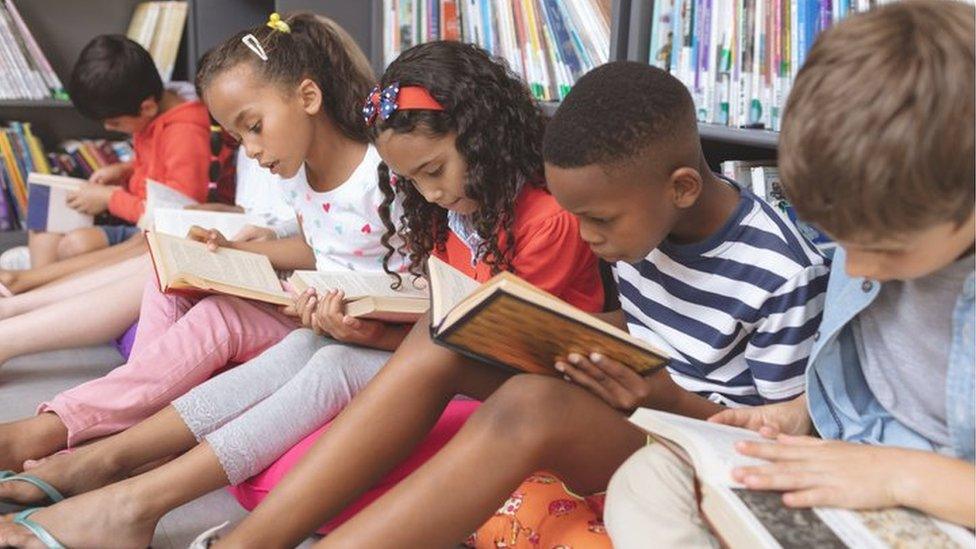
In fact, there are very simple ways to mark this day: read a book, help a child with their studies, support an educational initiative, or learn something new. After all, the main idea behind the day isn’t just to celebrate for the sake of celebrating, but to remind us of the value of knowledge.
Interesting Facts About Literacy
International Literacy Day is 60 years old. UNESCO proclaimed it in 1966, and the first celebrations took place in 1967.
The UN has also conducted large-scale campaigns against illiteracy. In 1990, the UN General Assembly proclaimed the International Year of Literacy, and the UN Decade of Literacy took place from 2003 to 2012.
Literacy is not limited to education. According to UNESCO, it can influence a person’s opportunities in the labor market, poverty levels, the health of children and families, and people’s participation in public life.
The problem remains a global one. Even today, hundreds of millions of adults lack basic reading and writing skills. The reasons vary: poverty, lack of access to schools, conflicts, forced displacement, discrimination, and other circumstances.
Literacy is a lifelong necessity. Learning does not end after school or college. In the digital world, people constantly have to learn new services, technologies, and ways of working with information.
Why This Day Is Important for Ukraine
For Ukraine, the issue of literacy is also of particular importance. The war is affecting children’s and adults’ access to education, as some schools have been damaged or destroyed, and many students are learning remotely or have been forced to leave their homes. Under these circumstances, the issue of access to quality education becomes even more critical. It’s not enough for a child to simply have a textbook—they need a teacher, a safe place to learn, internet access, and the opportunity to study regularly.
At the same time, Ukrainians have to deal with a vast amount of information about the war every day. That is why media literacy is also becoming a practical skill. The ability to verify sources, distinguish facts from manipulation, and refrain from sharing unverified information can have very real consequences. That is precisely why International Literacy Day today addresses a much broader topic than just reading in school. It serves as a reminder of the human right to acquire knowledge, to work independently with information, and to have the opportunity to learn regardless of age or life circumstances.

September 8 is a good occasion to remember a simple truth: literacy opens far more doors for a person than it seems at first glance. And the ability to read the world around us is no less important today than the ability to read a book.


