
Thailand’s tourism industry opposes 1,000-baht departure levy — Bangkok Post
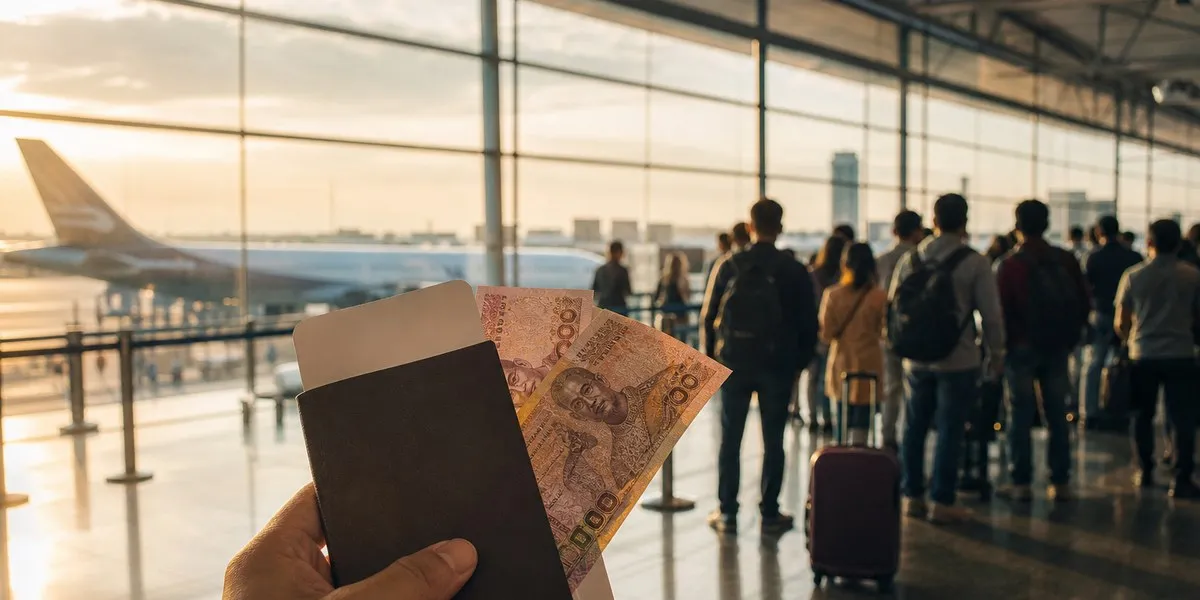
In Thailand, tourism associations have opposed a proposed 1,000-baht departure levy, the maximum amount of which could be 5,000 baht. Industry representatives say the payment could increase travellers’ expenses, affect demand for air travel and complicate the work of outbound tourism operators, Bangkok Post reports.
Objections from tourism operators
Kalayaanee Assanee, president of the Thai Travel Agents Association, said that restoring the departure levy, which was introduced 45 years ago, does not correspond to the current economic situation. According to her, a fixed payment for each trip could affect travellers unevenly, since the ability to travel abroad does not necessarily indicate a person’s income level or ability to pay taxes.
The association also stresses that overseas travel is now connected not only with leisure, but also with economic activity, trade, investment and the development of professional opportunities. It noted that outbound tourism operators already pay VAT, although consumption of these tourism services takes place outside Thailand. In the association’s view, this contradicts the principle of levying VAT on domestic consumption of goods and services.
Petitions to the finance minister
The Thai Travel Agents Association submitted a petition to Finance Minister Ekniti Nitithanprapas demanding that the proposal be withdrawn. It also expressed concerns over ambiguous questions in the online consultation on the draft levy and the lack of identity verification for respondents.
More current news is available on the UA.News Telegram channel Telegram.
The Thai Hotels Association also opposed the initiative. Its president, Thienprasit Chaiyapatranun, said that the additional payment could reduce demand for air travel and weaken the competitiveness of the country’s tourism industry. According to him, in the near future every foreign tourist could pay about 2,570 baht in taxes and fees, while for a family of four this amount would total 10,280 baht.
This amount includes existing passenger charges at Thailand’s six main airports, a proposed 450-baht tourist fee for next year and the proposed 1,000-baht departure levy. Hotel industry representatives called on the government to publish a detailed study of the initiative’s economic impact and projected revenue before adopting the law.
Call to assess the consequences
The Tourism Council of Thailand also submitted a petition to the finance minister demanding a thorough assessment of the levy’s impact on passenger numbers and behaviour, travel costs, airlines, small businesses, and employment in tourism and aviation. The council also asks for net tax revenue from the levy to be compared with potential economic losses.




