
New wild cat species Leopardus tilcayo described in Bolivia — Asharq Al-Awsat
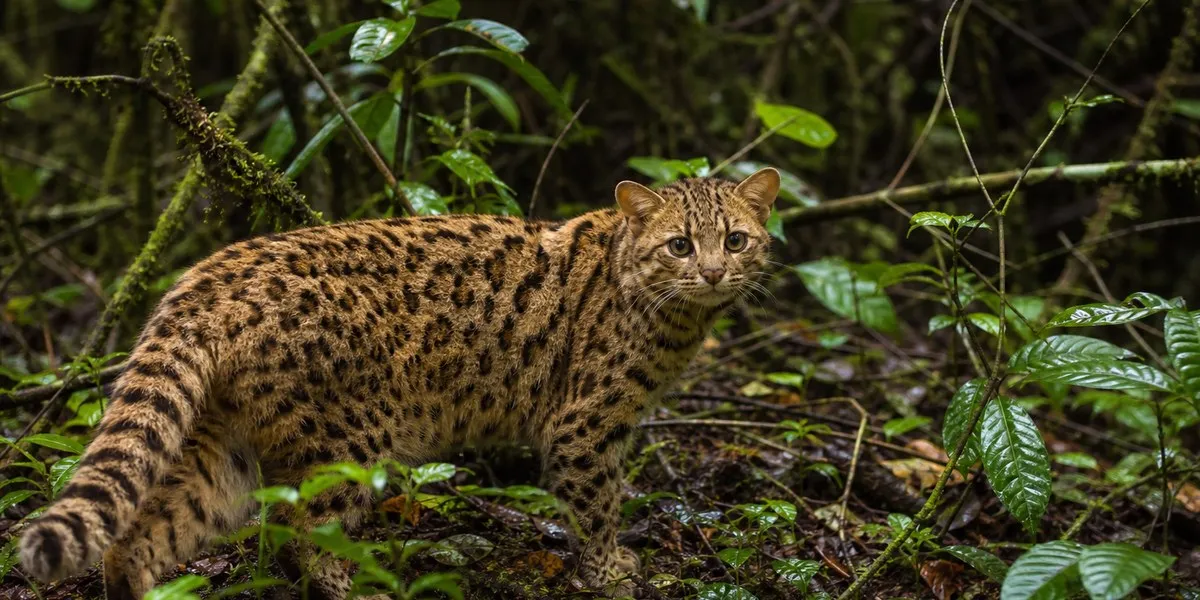
In the mountain cloud forests of Bolivia’s Yungas region, researchers have identified a new species of wild cat — Leopardus tilcayo. This is the first formal description of a new living feline species in more than a century, Asharq Al-Awsat reports.
Local communities call the animal tilcayo. It belongs to the group of tiger cats found across much of South America. The animal is about 46 centimeters long and weighs approximately 1.4 kilograms, making it smaller than an average domestic cat.
Genetic confirmation
Scientists confirmed its status as a new species using genetic data and retained the local name for its scientific designation. According to study co-author and National Geographic researcher Paola Nogales-Ascarrunz, tilcayo has light-brown fur with irregular rosettes across its body.
The team analyzed the DNA of 38 cats from several South American countries, including eight museum specimens. The analysis showed that tiger cats actually comprise five genetically distinct species. Researchers estimate that the tilcayo lineage separated from other tiger cats about 1.4 million years ago.
More current news is available on the UA.News Telegram channel Telegram.
Little is known so far
Little is known about the biology and lifestyle of the new species. Remains of small rodents in scat samples indicate that they may be part of its diet, while camera-trap footage suggests the animal may be nocturnal.
One of the two living specimens studied by scientists is a 10-year-old male currently housed at the Senda Verde wildlife sanctuary. It was previously kept at home by a local family. Researchers also described a new tiger cat subspecies in the Peruvian part of the Yungas — Leopardus tigrinus antisuyo.
The International Union for Conservation of Nature’s Red List currently treats tiger cats as two vulnerable species with declining populations. Scientists submitted the findings to the organization, which is expected to assess all five genetic lineages separately during its next review. The Yungas forests are under pressure from deforestation, agricultural expansion, human-caused fires, and mining.




